

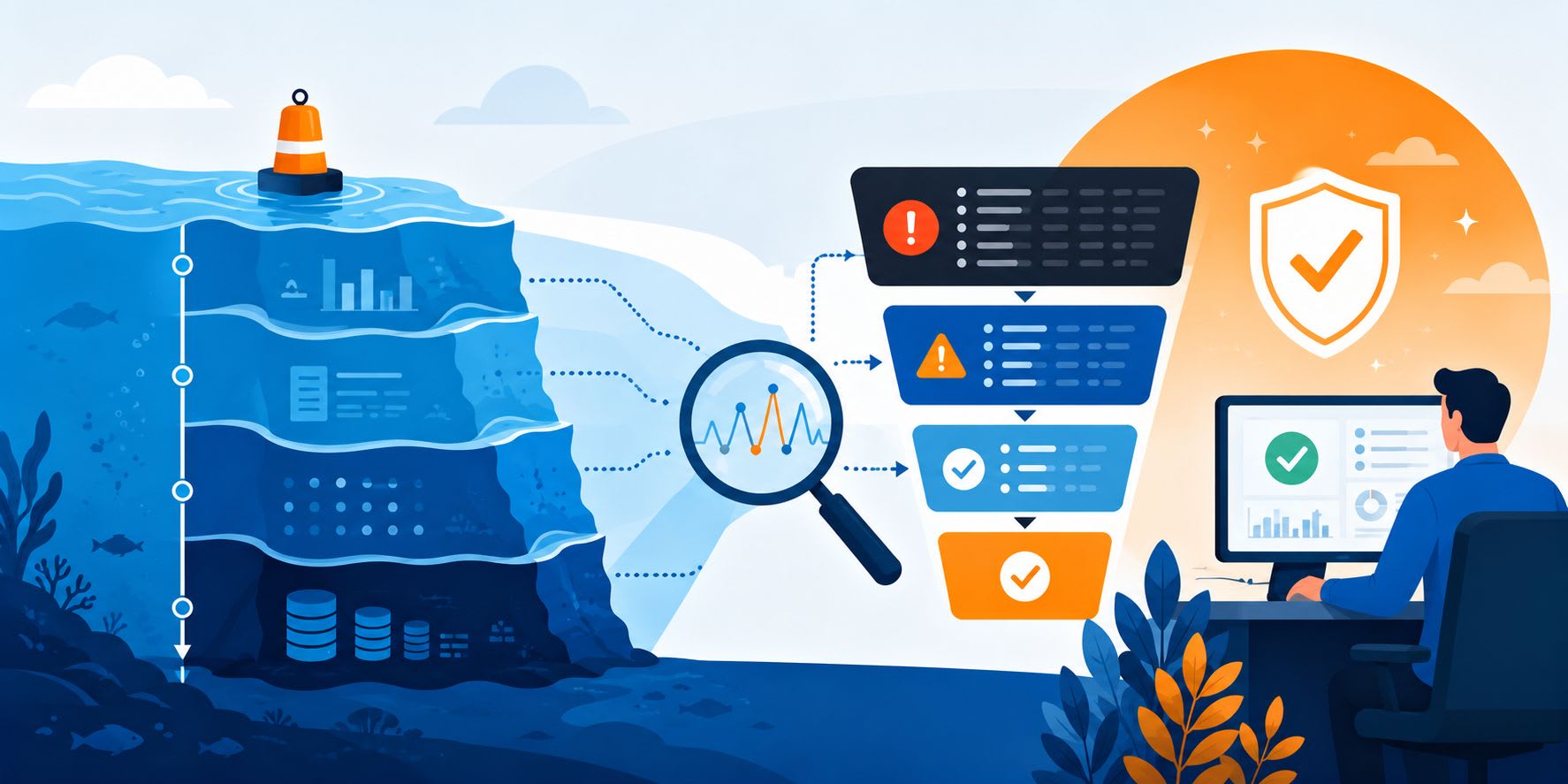
How Retention Depth Shapes Successful Alert Triage
Effective alert triage is a cornerstone of modern security and IT operations. As digital infrastructures grow in complexity, organizations face a deluge of alerts from a multitude of monitoring tools. This influx can quickly overwhelm teams if not managed judiciously. A critical but often underappreciated factor in achieving successful alert triage is retention depth, the length of time and amount of historical alert data that an organization can store and access. Understanding how retention depth influences alert triage can vastly improve the accuracy, efficiency, and reliability of incident response.
The Role of Retention Depth in Contextualizing Alerts
Retention depth provides security teams with historical data that is essential for understanding the context of incoming alerts. When an alert surfaces, its significance is rarely apparent in isolation. Analysts need to reference past events to determine whether an alert is part of a recurring pattern, an anomaly, or a false positive.
For example, a single failed login attempt may seem benign, but if similar attempts have been occurring over several weeks, it could indicate a brute-force attack. Without sufficient retention depth, teams may miss these subtle trends, leading to misclassification and ineffective alert triage. By having access to several months or even years of alert history, organizations can more effectively correlate new alerts with past incidents, greatly enhancing threat detection and response.
Enhancing Prioritization and Reducing Alert Fatigue
Modern security operations centers (SOCs) contend with thousands of alerts daily. The challenge is not just volume, but also the ability to prioritize those alerts that truly matter. Retention depth is vital for developing and refining alert triage rules and models, allowing teams to distinguish between benign and malicious activity with more confidence.
Historical data enables SOCs to conduct robust trend analyses. By examining how similar alerts have resolved in the past, teams can better assign severity levels and determine which alerts require immediate attention. This process helps reduce alert fatigue—a phenomenon where analysts become desensitized to alarms due to constant exposure. With greater retention depth, teams can automate more of the triage process, leveraging machine learning models trained on comprehensive datasets. This results in more accurate prioritization, ensuring that critical threats are not overlooked while minimizing wasted effort on false positives.
Informing Root Cause Analysis and Continuous Improvement
The value of retention depth extends beyond initial triage to post-incident analysis and continuous improvement. After an incident, teams often conduct root cause analysis to understand what happened, why it occurred, and how it can be prevented in the future. Access to a deep reservoir of historical alerts is indispensable in this process.
For example, when investigating a data breach, analysts may need to trace related alerts back several months to identify the initial point of compromise. If retention depth is shallow, critical links in the chain may be lost, hindering a full understanding of the incident. Furthermore, retention depth supports continuous improvement by enabling teams to retrospectively evaluate the effectiveness of their alert triage processes. By analyzing past performance, organizations can fine-tune their detection rules and incident response protocols, closing gaps and reducing the risk of recurrence.
Balancing Retention Depth with Storage and Compliance Considerations
While the benefits of extensive retention depth are clear, organizations must balance them against practical constraints. Storing large volumes of historical alerts can be costly, requiring investment in scalable storage solutions. Additionally, data retention policies are subject to regulatory requirements, especially in sectors dealing with sensitive information.
To address these challenges, many organizations employ tiered storage strategies—keeping recent alert data readily accessible while archiving older records in lower-cost storage. Advances in cloud storage and data management platforms have made it more feasible to maintain substantial retention depth without breaking budgets. However, it is crucial for organizations to regularly review their retention policies, ensuring they comply with industry regulations and internal governance while still supporting effective alert triage.
Best Practices for Maximizing the Value of Retention Depth
To fully leverage retention depth in alert triage, organizations should consider the following best practices:
- Define clear retention policies based on operational needs, compliance obligations, and risk tolerance.
- Invest in scalable storage solutions that balance accessibility and cost, with support for both hot and cold data tiers.
- Automate alert correlation and triage using machine learning and analytics platforms that can process large historical datasets.
- Regularly review and refine triage rules by analyzing trends and outcomes from historical alert data.
- Train analysts to utilize historical context effectively during both triage and post-incident investigations.
By embedding retention depth considerations into their security operations strategy, organizations enhance not only their day-to-day alert triage but also their broader resilience against evolving threats.
Conclusion: Retention Depth as a Foundation for Effective Alert Triage
Retention depth is far more than a technical detail; it is a strategic asset that underpins every stage of successful alert triage. From providing context and supporting prioritization to enabling thorough investigations and ongoing improvement, the ability to access and analyze historical alert data is indispensable. As organizations continue to face increasingly complex threat landscapes, investing in the right retention depth—supported by thoughtful policies, advanced technology, and skilled personnel—will be a key differentiator in building robust, adaptive security operations.
Want to publish a guest post on aamax.co?
Place an order for a guest post or link insertion today.
Place an Order