

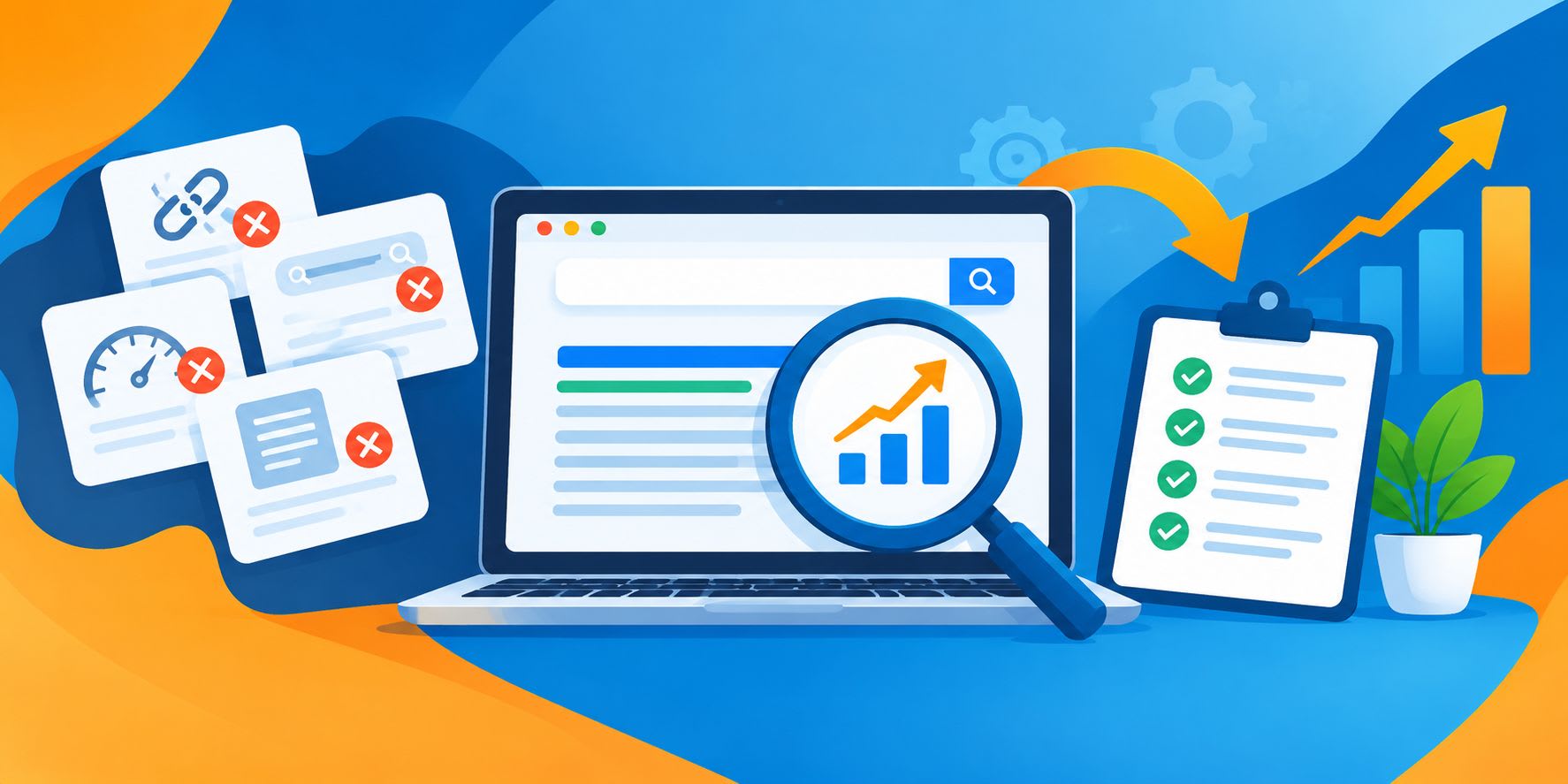
5 Common SEO Mistakes to Avoid and How to Fix Them
Search Engine Optimization (SEO) is critical for improving online visibility and helping drive organic traffic to a website. Not only does it improve your overall ranking in a search engine, but it also optimizes your websites, ensuring you rank not only because of keywords but also because your website is relevant and worthy.
However, if you're a beginner working for an SEO company in the Philippines, you may stumble into common pitfalls hindering your marketing efforts. These mistakes not only hamper search rankings but also dilute the performance of your website.
The current landscape is a battleground between competitors, and mistakes can be highly costly regardless of the industry. By knowing what these errors are and taking steps to fix them, you can enhance your rankings on search engines.
In this guide, learn more about common mistakes to avoid making misleading SEO promises.
5 Common SEO Mistakes to Avoid and How to Fix Them
Anyone new to SEO is bound to make mistakes, but too many are compounded into problems that might sink your efforts and company. Here are the typical ones to watch out for:
Neglecting to update meta tags
Neglecting to keep your meta tags up to date is like forgetting to water your plants. It's a simple task that makes a big difference in the long run.
Meta tags, which include your pages' titles, descriptions, and headers, guide search engines so they can understand what your content is all about. When you don't give them the attention they deserve, you leave Google and the like scratching their heads, unsure where to place your site in search results.
Start by diving into keyword research to find the ones that resonate with your content and audience. Then, insert them into your meta tags so search engines can file them properly. Also, create unique and descriptive titles for your pages and place keywords naturally. Write meta descriptions that summarize your content and leave users wanting to know more.
Ensure each page has unique tags tailored to its content and avoid duplicates or cookie-cutter descriptions. Finally, keep a watchful eye on how your meta tags perform. Use analytics tools to track click-through rates and search engine visibility. Don't be afraid to tweak and update them regularly based on what's working and what's not.
Overlooking mobile optimization
Did you know that Google prioritizes indexing websites with mobile versions? With most internet users browsing on their mobile devices, overlooking this aspect can result in a poor user experience, but it can also tank your search rankings.
Implementing responsive design techniques allows your website to adapt seamlessly to various screen sizes. Doing these steps means your site will look as sleek and user-friendly on a smartphone as on a desktop or tablet.
Ignoring slow page load times
Slow-loading web pages not only annoy users but can also deal a heavy blow to your search engine rankings. A site that loads in a second has the highest conversion rate at 40%, while a page that takes 3 seconds or more has around a 32% bounce rate.
Kick your website into high gear by analyzing your website—pinpointing factors that drag down your page speed. From oversized images to bloated scripts to pesky server issues, it'll help you identify the culprits slowing things down. Use a software like Google's PageSpeed Insights.
Once you've identified the bottlenecks, it's time to get to work. Start by optimizing those images—compressing them without sacrificing quality can work wonders for your load times. Next, streamline your code and minimize unnecessary scripts.
Don't forget about your hosting provider. Sometimes, slow page speed can be traced back to a sluggish server. If your current hosting plan holds you back, it might be time to upgrade to something speedier.
Leaving broken links on a page
Broken links diminish user experience and signal to search engines that you don't maintain or update your website. It's like leaving breadcrumbs that lead to nowhere – your visitors may leave because they can't get to the page they want, hurting your rankings.
Conduct regular audits of your website to sniff out any broken links. Tools like Google Search Console can help you identify these culprits and give you a roadmap for fixing them.
Update links that are outdated or pointing to the wrong URL to lead to the correct destination. If the content they're linking to is irrelevant, consider removing it altogether.
But what about those broken links that you can't seem to fix? That's where redirects come into play. Implementing redirects allows you to seamlessly guide visitors from the old, broken URL to a new, functioning one so that they still reach their intended destination.
Having inconsistent NAP in Google My Business
Having inconsistent NAP (Name, Address, and Phone Number) information in your Google My Business listings is like giving wrong directions – it not only confuses visitors but also sends mixed signals to search engines, resulting in a dent in your search visibility.
Regularly update and verify your business information across all online platforms and directories, not just Google My Business. This process ensures that your name, address, and phone number are consistent everywhere your business appears, from social media profiles to online directories.
One of the easiest ways to achieve NAP consistency is by creating a master document that contains all your business information. It should be the single source for your details, making it easy to update and synchronize across various platforms whenever necessary.
Elevate Your SEO Game
Several common SEO mistakes can significantly impact website performance and hinder marketing efforts. These blunders diminish your website's visibility in search results and frustrate users, leading to higher bounce rates and decreased engagement.
However, addressing these issues head-on and implementing fixes can improve search rankings, increase organic traffic, and enhance visibility.
Remember that SEO is not a one-time task but an ongoing process. Regular optimization and monitoring help maintain and improve search rankings over time. By staying vigilant and always finding ways to refine your strategies, your website can remain competitive and stand out among your competitors.
Want to publish a guest post on aamax.co?
Place an order for a guest post or link insertion today.
Place an Order