

What Are SEO Proxies
Understanding SEO Proxies
SEO proxies are intermediary servers that route internet requests through different IP addresses, allowing SEO professionals to gather search data, monitor rankings, and conduct research at scale without being blocked or limited. When you perform many automated searches or data requests from a single IP address, search engines and websites may throttle or block that activity to prevent abuse. Proxies solve this problem by distributing requests across many different IP addresses, enabling large-scale data collection that would otherwise be impractical. For SEO practitioners who rely on accurate, extensive data, proxies are an important tool in the technical toolkit.
It is important to understand that SEO proxies serve legitimate research and data-gathering purposes when used responsibly. They allow professionals to see accurate search results from different locations, track rankings across regions, gather competitive intelligence, and run SEO tools efficiently. Like any tool, proxies can be misused, but their core function is to support the legitimate data needs that effective SEO requires. Understanding what SEO proxies are and how they work helps clarify their role in professional search optimization.
Hire AAMAX.CO for Data-Driven SEO Services
At AAMAX.CO, we use professional tools and ethical data practices to deliver accurate, insightful SEO results. As a full service digital marketing company offering web development, digital marketing, and SEO worldwide, we have the infrastructure and expertise to gather and analyze search data at scale, giving our clients a clear understanding of their competitive landscape. Our SEO services are grounded in reliable data and sound methodology, so you get strategies based on real insights rather than guesswork. Let us handle the technical complexity of data-driven SEO for you.
How SEO Proxies Work
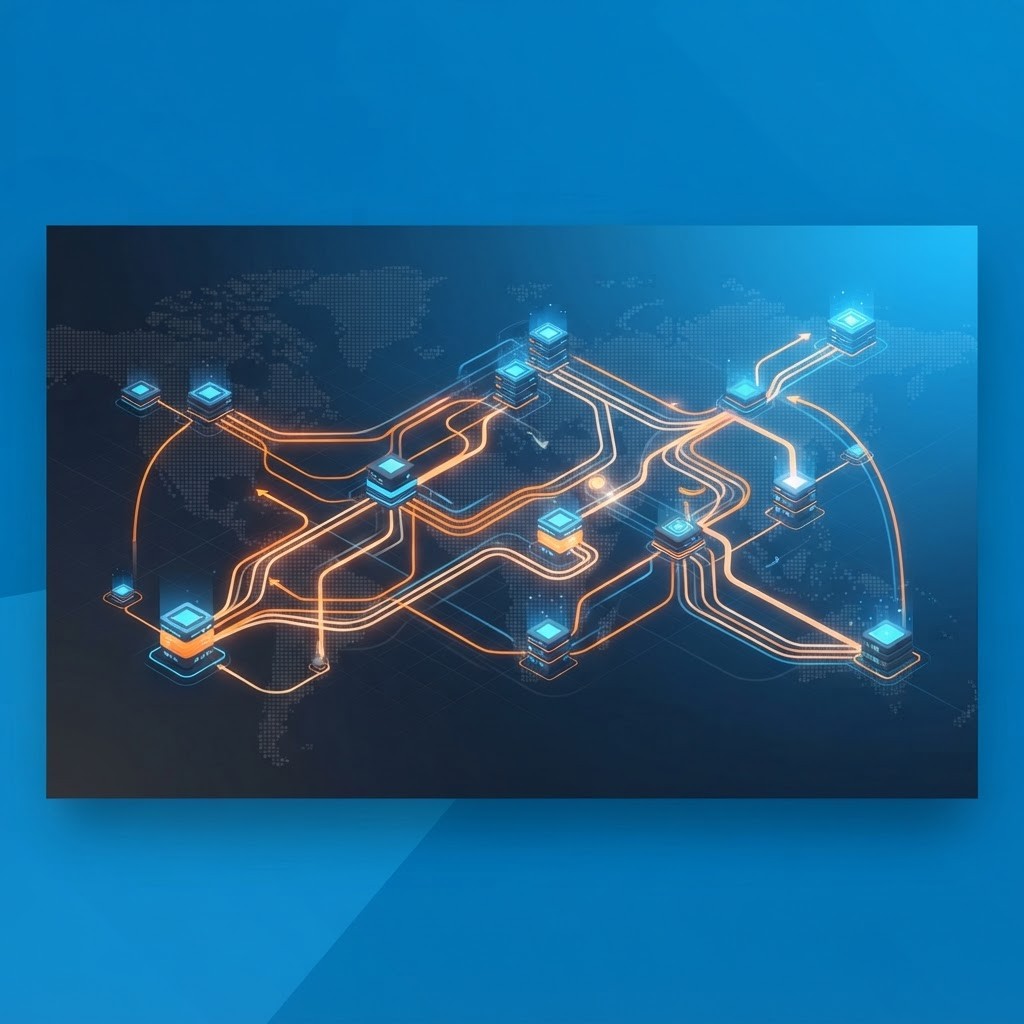
At a technical level, a proxy acts as an intermediary between your computer and the internet. When you send a request through a proxy, the request appears to come from the proxy's IP address rather than your own. By rotating through a pool of many proxy IP addresses, SEO tools can distribute their requests so that no single address makes too many, avoiding the rate limits and blocks that search engines impose to curb automated activity. This allows tools to collect large volumes of data reliably.
Proxies also enable geographic flexibility. Search results vary by location, so seeing accurate results for a specific city or country requires appearing to search from that location. Proxies with IP addresses in different regions make this possible, allowing SEO professionals to check rankings and results as they appear to users in various markets. This capability is especially valuable for businesses targeting multiple locations or international audiences.
Legitimate Uses of SEO Proxies
SEO proxies support a range of legitimate professional activities. Rank tracking tools use proxies to check keyword positions accurately and at scale without being blocked. Competitive research relies on proxies to gather data about competitors' rankings, content, and strategies. Local SEO work uses geographic proxies to verify how results appear in specific locations. Site auditing tools may use proxies to crawl large websites efficiently. Market research and data aggregation across many sources also benefit from proxy infrastructure.
These uses all share a common purpose, which is to gather accurate, comprehensive data that informs better SEO decisions. Good SEO is data-driven, and proxies are often necessary to collect that data reliably. When integrated into a broader digital marketing approach, the insights gained from proxy-enabled research help shape strategies that are grounded in reality rather than assumptions.
Types of SEO Proxies
Several types of proxies serve different needs. Datacenter proxies come from data centers and offer speed and affordability, though they are more easily detected. Residential proxies use IP addresses assigned to real residential devices, making them appear more like genuine users and harder to detect, but they are more expensive. Mobile proxies use mobile network IP addresses and are useful for mobile-specific research. Rotating proxies automatically cycle through different IP addresses, distributing requests for large-scale data collection.
Choosing the right type depends on the specific task, budget, and level of reliability required. Professionals weigh factors like speed, cost, detection risk, and geographic coverage when selecting proxies for a given project. Understanding these distinctions helps ensure the right tool is used for the right job.
Using SEO Proxies Responsibly
As with any powerful tool, SEO proxies should be used responsibly and ethically. Legitimate uses focus on gathering data to inform strategy, not on manipulating results or violating terms of service through abusive automation. Responsible practitioners respect rate limits, avoid overloading servers, and use data ethically. When used properly, proxies simply enable the accurate, scalable data collection that professional SEO requires, supporting better decisions without crossing ethical lines.
Conclusion
SEO proxies are intermediary servers that enable professionals to gather search data, track rankings, and conduct research at scale without being blocked or limited. By routing requests through different IP addresses and locations, they make accurate, comprehensive data collection possible, which is essential for data-driven SEO. When used responsibly, proxies are a valuable tool that supports better research and smarter strategies. Understanding what SEO proxies are demystifies an important part of the technical infrastructure behind effective search optimization.
Want to publish a guest post on aamax.co?
Place an order for a guest post or link insertion today.
Place an Order