

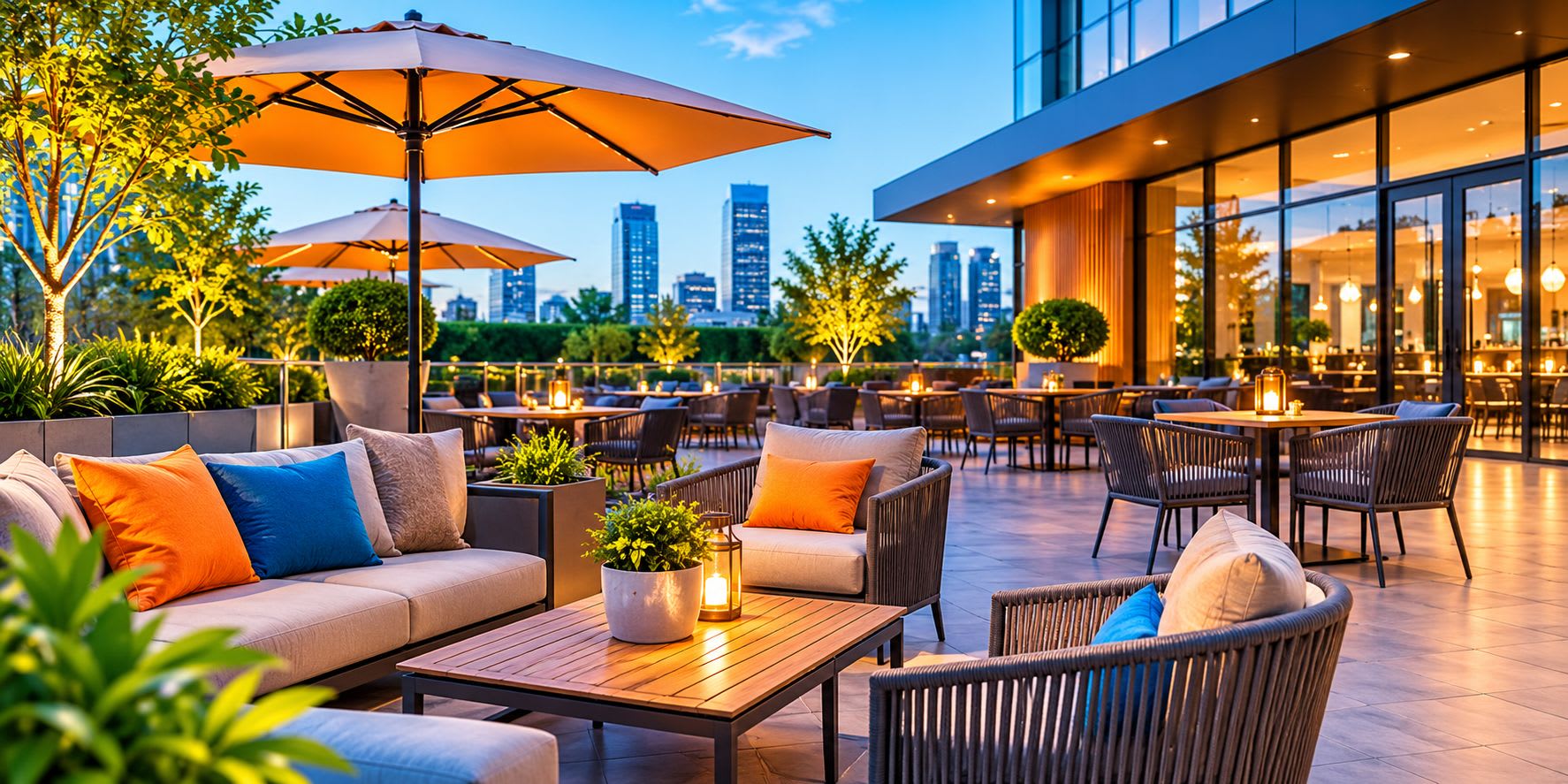
Improving Outdoor Spaces for Hospitality and Commercial Environments
Outdoor spaces have become an important part of many commercial environments. From restaurants and hotels to shopping centres and leisure facilities, having attractive and practical outdoor areas can improve the experience of customers, visitors and employees.
A well-designed outdoor space offers more than somewhere to sit or walk. It can create a welcoming first impression, provide additional room for customers and make commercial premises more accessible throughout the year.
However, getting the most out of an outdoor area requires careful planning. Furniture, shelter, layout and materials all play an important role in creating a space that is both functional and visually appealing. By choosing suitable products and considering how an area will be used, businesses can make improvements that offer lasting benefits.
Creating Welcoming Outdoor Hospitality Spaces
For hotels, restaurants, cafés and other hospitality businesses, outdoor seating can be a valuable addition to the customer experience. During warmer months, customers often enjoy having the option to eat, drink or relax outside rather than remaining indoors.
Investing in quality hospitality outdoor furniture can help businesses create comfortable and attractive spaces that encourage customers to stay longer. The right furniture should complement the overall appearance of the venue while being practical enough to withstand frequent use.
There are several factors worth considering when selecting outdoor furniture.
Durability and materials
Commercial outdoor furniture needs to cope with regular use and exposure to changing weather conditions. Materials such as aluminium, treated timber and weather-resistant plastics are popular choices because they can offer a good balance between appearance and practicality.
It is also worth considering how furniture will respond to direct sunlight, rain and temperature changes. Choosing suitable materials can help reduce maintenance requirements and extend the lifespan of products.
Comfort and functionality
Customer comfort should always be a priority. Chairs should provide suitable support, while tables need to offer enough space for food, drinks and personal belongings.
The intended use of the area will influence which products are most appropriate. A restaurant may require larger dining tables, whereas a hotel terrace might benefit from a combination of lounge seating and smaller tables.
Style and presentation
Outdoor furniture contributes to the overall appearance of a hospitality business. Choosing colours and materials that complement the building, branding and surrounding environment can create a more cohesive look.
Small additions such as cushions, planters and decorative lighting can also help make outdoor seating areas feel more inviting.
Making Better Use of Outdoor Space
Space planning is another important consideration when designing commercial outdoor areas. Businesses need to balance the number of seats available with the comfort and accessibility of customers and staff.
Overcrowding can make an outdoor area feel uncomfortable and difficult to navigate. Leaving enough room between tables allows customers to move freely while giving staff sufficient space to serve them.
It is also useful to think about flexibility. Stackable chairs and lightweight tables can make it easier to rearrange seating for different occasions or store furniture during quieter periods.
For businesses with limited outdoor space, choosing appropriately sized furniture can help maximise the available area without compromising on comfort.
The Benefits of Installing a Walkway Canopy
While outdoor seating can improve customer facilities, sheltered walkways are another useful addition to commercial premises.
A walkway canopy provides overhead protection along pedestrian routes, helping people move between different areas of a property while offering shelter from certain weather conditions.
These structures can be particularly useful for schools, hotels, healthcare facilities, office buildings and retail environments where people regularly travel between entrances and separate buildings.
One of the main benefits is improved convenience. During periods of rain, a covered walkway can help visitors and employees stay drier when moving around the site. Depending on the design, it can also provide shade from direct sunlight during warmer weather.
Walkway canopies can be designed to suit different buildings and outdoor layouts. Some structures are relatively simple coverings over existing paths, while others form part of a larger covered pedestrian route connecting multiple facilities.
When choosing a canopy, it is important to consider the following:
- Size and coverage: Ensure the structure provides sufficient protection for the intended pedestrian route.
- Materials: Select materials that are suitable for the local climate and expected level of use.
- Drainage: Consider how rainwater will be collected and directed away from pedestrian areas.
- Accessibility: Make sure the design does not create unnecessary obstacles or restrict movement.
- Maintenance: Check what cleaning and upkeep will be required over time.
Professional installation is also important. The structure needs to be suitable for its location, with appropriate consideration given to ground conditions, drainage and relevant building requirements.
Combining Practicality with Good Design
Outdoor improvements should always consider how different elements work together. For example, a hotel with an outdoor dining terrace may benefit from combining comfortable furniture with suitable overhead shelter.
Similarly, commercial premises with large grounds could use covered walkways to improve movement between buildings while creating a more organised appearance.
Consistency in design can help outdoor spaces feel connected to the wider property. Using complementary colours, materials and finishes can create a professional appearance without making the environment feel overly formal.
It is also worth considering how outdoor spaces will be used throughout the year. Although certain facilities may experience greater demand during summer, durable furniture and suitable shelter can help businesses make better use of their outdoor areas in different seasons.
Investing in Long-Term Outdoor Improvements
Whether upgrading a restaurant terrace or improving pedestrian access around a commercial property, thoughtful outdoor design can deliver practical benefits.
Choosing durable furniture, planning layouts carefully and installing suitable shelter can improve comfort, accessibility and the overall appearance of a site.
By considering the needs of customers, visitors and employees, businesses can create outdoor environments that are welcoming, functional and suitable for everyday use.
Want to publish a guest post on aamax.co?
Place an order for a guest post or link insertion today.
Place an Order