

Headless Web Development
What Is Headless Web Development
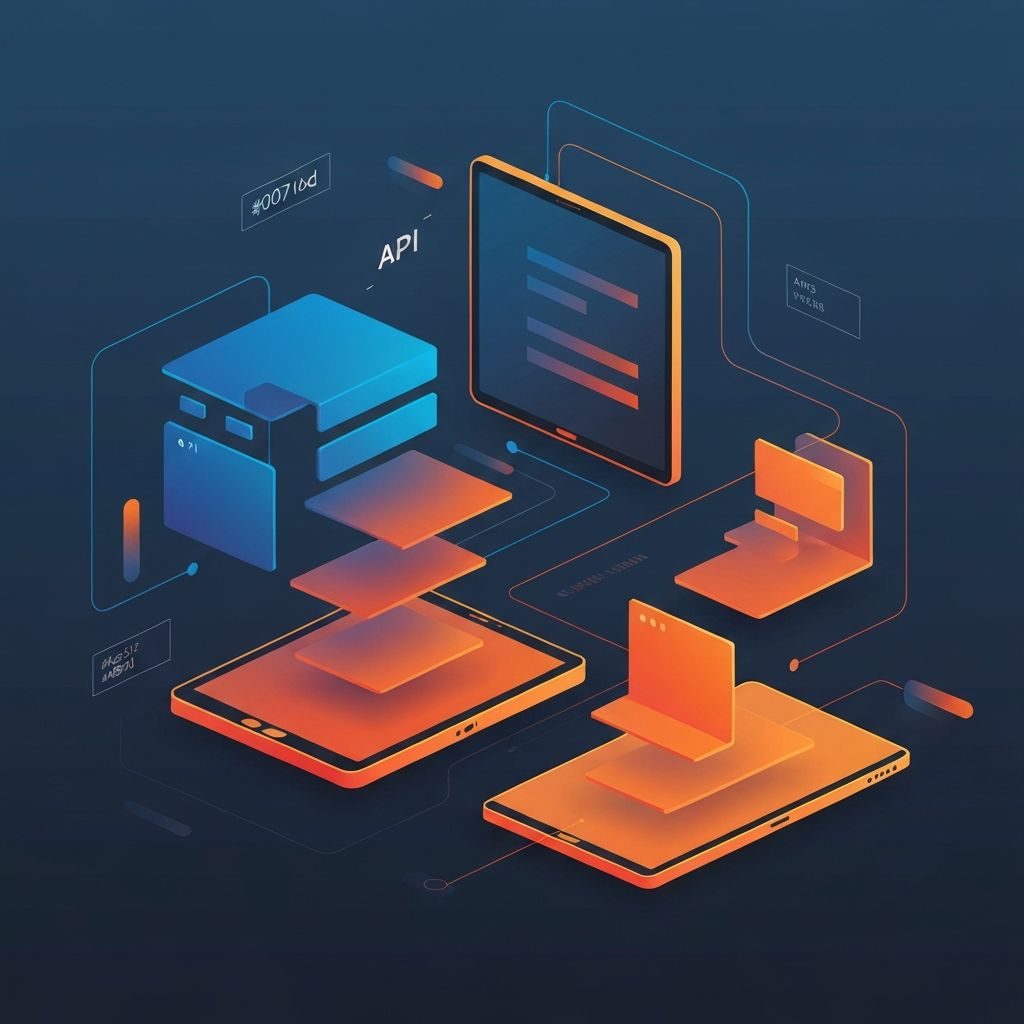
Headless web development is an architectural approach in which the front-end presentation layer of a website is decoupled from the back-end content management or commerce engine. Instead of being tightly bound together as in traditional monolithic platforms, the two communicate through APIs. This separation gives teams unprecedented flexibility to deliver content to any channel, swap technologies independently, and craft experiences that feel native to each device or context. At AAMAX.CO, we have embraced headless architectures as a powerful way to help clients move faster, perform better, and future-proof their digital investments.
While the concept may sound technical, the business benefits are deeply practical. Headless allows marketers to publish once and reuse content across web, mobile, kiosks, smart devices, and even voice interfaces. It enables developers to choose best-in-class tools for each layer, rather than being locked into the limitations of a single platform. The result is faster experimentation, better performance, and stronger competitive differentiation.
How Headless Differs From Traditional Architectures
Traditional content management systems like older WordPress installations or legacy enterprise platforms tend to handle everything in one place. They store content, render templates, manage users, and serve pages from the same codebase. This works well for simple sites, but it creates friction as soon as you want to deliver content to multiple channels or experiment with the front-end stack.
In a headless setup, the back-end is purely a content provider. It exposes data through REST or GraphQL APIs, while the front-end is built with whatever framework best fits the experience. This decoupling lets you upgrade or replace either side independently. You can rebuild the front-end with a new framework without touching content workflows, or migrate the back-end to a more powerful platform without disrupting your customer-facing site.
The Business Benefits of Going Headless
Headless architectures offer several powerful advantages. Performance is one of the most immediate. Static rendering and edge delivery deliver pages in milliseconds, dramatically improving Core Web Vitals and SEO rankings. Flexibility is another. Teams can build rich, custom experiences without bending a monolithic platform to do something it was never designed for. Reusability is a third major benefit. The same content can power a marketing site, a mobile app, a customer portal, and even an internal dashboard, all through the same APIs.
Scalability also improves significantly. Static and serverless front-ends scale effortlessly under traffic spikes, while back-ends can be scaled independently to match content authoring or commerce demands. Finally, security improves because the surface area exposed to public traffic is smaller and easier to harden.
Choosing the Right Headless Stack
The headless ecosystem has matured rapidly, offering a wide range of tools to fit different needs. Popular headless CMS platforms include Strapi, Sanity, Contentful, Storyblok, and Payload. On the commerce side, Shopify, BigCommerce, Saleor, and Commerce Layer offer powerful APIs that can power custom storefronts. For the front-end, frameworks like Next.js, Nuxt, Astro, and Remix provide modern rendering strategies and developer experiences that make building fast, accessible, and maintainable sites a joy.
For teams that prefer open-source flexibility and self-hosted control, our specialized Strapi CMS Website Development services deliver custom solutions that combine editorial freedom with developer-friendly APIs. For teams seeking the best in modern React-based front-ends, our Next.js Web Development service builds blazing-fast experiences powered by edge rendering, incremental static regeneration, and server components.
How We Approach Headless Projects
Every headless project begins with a content modeling workshop. We map out the entities your content team needs to manage, define relationships, and design schemas that are flexible without becoming chaotic. From there, we set up the chosen CMS and build the front-end in parallel, integrating analytics, search, personalization, and any commerce or marketing tools your business depends on. We pay close attention to editor experience, ensuring content authors enjoy intuitive interfaces with powerful preview capabilities.
Performance, SEO, and Core Web Vitals
Performance is one of the strongest selling points of headless architectures, but it must be intentional. We use static generation and incremental updates wherever possible, deliver assets through global CDNs, and optimize images, fonts, and scripts aggressively. SEO best practices are baked in from day one, including server-rendered HTML for crawlability, structured data, canonical URLs, internal linking strategies, and clean redirects. The result is a site that ranks well in search engines and delights users with near-instant load times.
Omnichannel Content Delivery
One of the most strategic advantages of headless is the ability to deliver content anywhere. The same APIs that power your marketing site can feed mobile apps, smart TVs, kiosks, and connected devices. Marketing teams write once and reach customers across every touchpoint with consistent messaging. This is incredibly powerful for brands operating in multiple regions, languages, or product lines, since it removes the duplication and inconsistency that plague monolithic systems.
Security and Compliance Considerations
Headless architectures naturally improve security by reducing the public attack surface. The CMS or commerce engine can live behind firewalls, accessed only by trusted services. APIs can be rate limited, authenticated, and audited. We also implement strict permissions, encrypted secrets, and continuous monitoring so your data stays protected. For clients with regulatory requirements, we adapt the stack to comply with relevant standards while preserving the flexibility that makes headless so attractive.
When Headless Is Right and When It Is Not
Headless is not the right answer for every project. Small marketing sites with simple needs may be served just as well by a streamlined traditional CMS. The complexity of running multiple systems and APIs only pays off when there is real value in flexibility, performance, or omnichannel delivery. We help clients evaluate honestly whether headless is the right move and recommend simpler approaches when those better fit the goals.
Why Hire AAMAX.CO for Headless Web Development
Implementing headless well requires expertise across content strategy, design systems, modern front-end frameworks, API design, DevOps, and SEO. Our team brings all of those capabilities under one roof, making us a uniquely capable partner for ambitious headless projects. We have helped startups launch lightning-fast marketing sites, helped enterprises modernize legacy CMSs into composable architectures, and helped retailers replatform onto headless commerce stacks that increased conversion rates measurably.
If you are exploring how headless can level up your digital presence, hire us at AAMAX.CO for Web Design and Development services. We will help you craft a strategy, choose the right tools, and engineer a headless platform that performs beautifully today and adapts gracefully to whatever the future brings.
Want to publish a guest post on aamax.co?
Place an order for a guest post or link insertion today.
Place an Order