

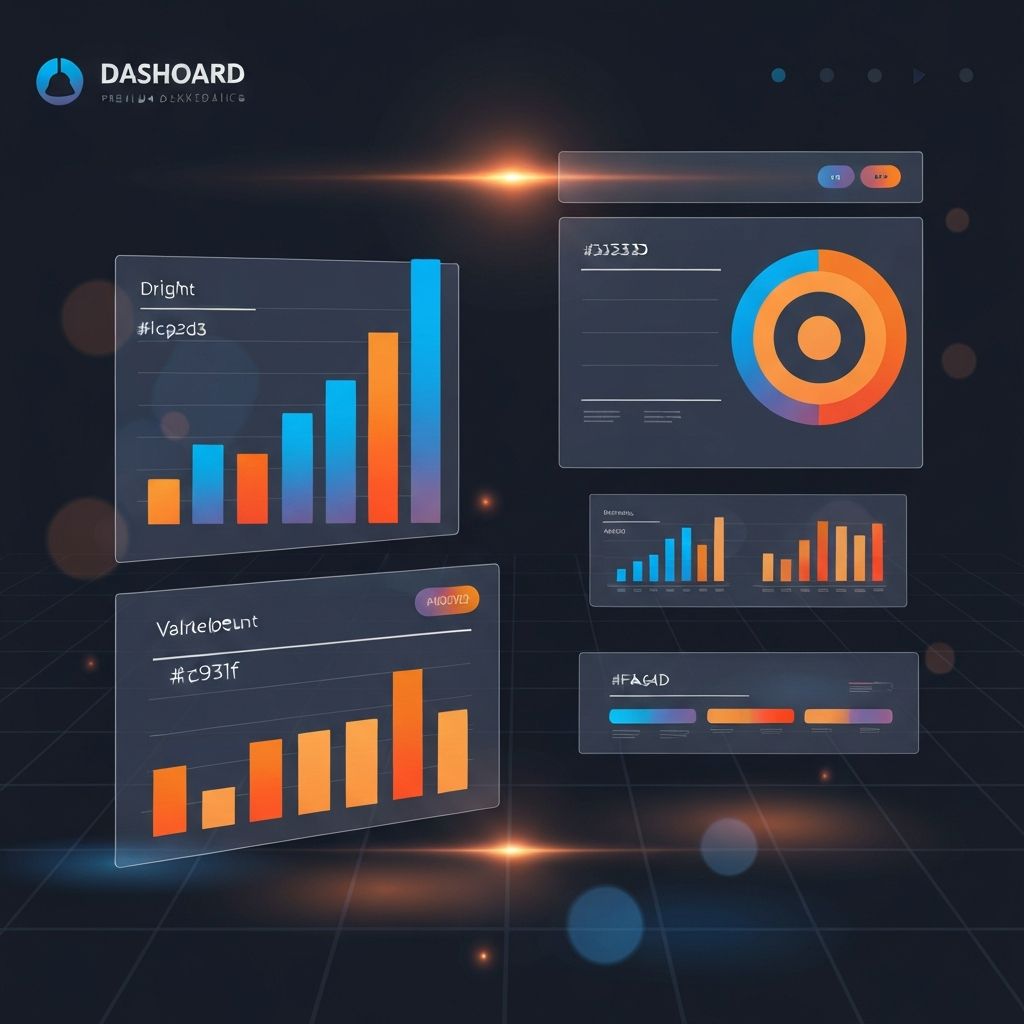
Digital Marketing Dashboard Template
What Is a Digital Marketing Dashboard Template?
A digital marketing dashboard template is a pre-built reporting framework that consolidates your most important marketing metrics into one organized, visual view. Instead of jumping between Google Analytics, ad platforms, social channels, and CRM tools, a dashboard pulls everything together so you can see performance at a glance. For brands serious about growth, dashboards are no longer a nice-to-have. They are a fundamental tool for staying competitive. At AAMAX.CO, we help clients design and implement dashboard solutions that turn scattered data into clear, actionable insight.
A great template removes the friction of manual reporting and gives marketing teams, executives, and clients a shared understanding of what is working and what needs adjustment.
Why Templates Matter
Building a dashboard from scratch can take weeks. Templates accelerate the process by providing tested layouts, common metric groupings, and proven visualizations. They give you a strong starting point that you can customize to your unique business and KPIs. This saves time and ensures you do not miss critical metrics during setup.
Templates also bring consistency. When multiple stakeholders use the same dashboard structure, conversations become faster and more productive because everyone is looking at the same numbers presented the same way.
Essential Sections in a Marketing Dashboard
Every effective digital marketing dashboard template should include several core sections. The exact layout will vary, but the following components are nearly universal.
Traffic Overview: This section tracks total website visitors, sessions, traffic sources, and device breakdowns. It answers the question: where is our audience coming from?
SEO Performance: Keyword rankings, organic traffic trends, click-through rates, and backlink profiles belong here. Our SEO services include dashboard setups that visualize these metrics clearly so you can track gains over time.
Paid Advertising: Spend, impressions, clicks, conversions, cost per acquisition, and return on ad spend should be visualized for each campaign. Whether you run search, display, or social ads, consolidated reporting helps you allocate budget more intelligently.
Social Media: Followers, engagement rate, reach, and content performance metrics give you a pulse on your brand presence across platforms.
Email Marketing: Open rates, click rates, list growth, and revenue per email reveal how effectively you are nurturing your audience.
Conversions and Revenue: Ultimately, marketing exists to drive revenue. A dedicated conversion section ties all the above metrics back to business outcomes.
Designing for Clarity
A common dashboard mistake is information overload. When you cram every possible metric onto one screen, the dashboard becomes noise rather than insight. The best templates follow a hierarchy: high-level KPIs at the top, supporting metrics in the middle, and granular details at the bottom or in linked views.
Color also plays a critical role. Use consistent color coding to indicate positive trends, declines, and neutral changes. Visual cues like sparklines, traffic-light indicators, and trend arrows let viewers absorb performance in seconds.
Tools for Building Dashboards
Several platforms make dashboard creation accessible. Google Looker Studio offers a free and flexible option that connects to dozens of marketing data sources. Power BI and Tableau provide enterprise-grade capabilities for complex datasets. Lightweight tools like Databox, Whatagraph, and AgencyAnalytics specialize in marketing reporting with prebuilt connectors and templates.
The right tool depends on your team size, data complexity, and budget. As a full-service digital marketing agency, we help clients choose and configure dashboards that fit their unique workflow.
Customizing Your Template
While templates provide a strong foundation, every business has unique goals. Customization is essential. Start by listing your top three to five business objectives, then map each one to specific metrics. For example, if customer acquisition cost is a priority, your dashboard should prominently display CPA across all channels.
You should also consider audience. A dashboard built for executives will look different from one built for a hands-on marketing manager. Executives want trends and outcomes. Marketers want granular performance data they can act on quickly.
Automating Data Updates
One of the greatest benefits of a digital dashboard is automation. Manual reporting is time-consuming and error-prone. By connecting your dashboard directly to data sources through APIs or native integrations, you ensure metrics update in real time or on a defined schedule. This frees up hours every week and improves data accuracy.
Automation also enables alerts. You can configure your dashboard to notify you when key metrics cross specific thresholds, allowing you to respond quickly to wins or warning signs.
Common Pitfalls to Avoid
Watch out for vanity metrics. Followers and page views feel impressive, but they rarely move the bottom line. Focus instead on metrics tied to revenue, retention, and customer lifetime value. Also avoid overcomplicating the design with unnecessary widgets. Every element on the dashboard should serve a clear purpose.
Finally, do not treat your dashboard as a finished project. Marketing channels and business priorities evolve, and so should your dashboard. Schedule regular reviews to ensure the template still reflects what matters most.
Get Expert Help With Your Dashboard
If you need help building a custom digital marketing dashboard template, hire AAMAX.CO. We design dashboards that turn raw marketing data into clear strategic direction. From SEO to paid media to social media marketing, we help you measure what matters and grow with confidence.
Want to publish a guest post on aamax.co?
Place an order for a guest post or link insertion today.
Place an Order