

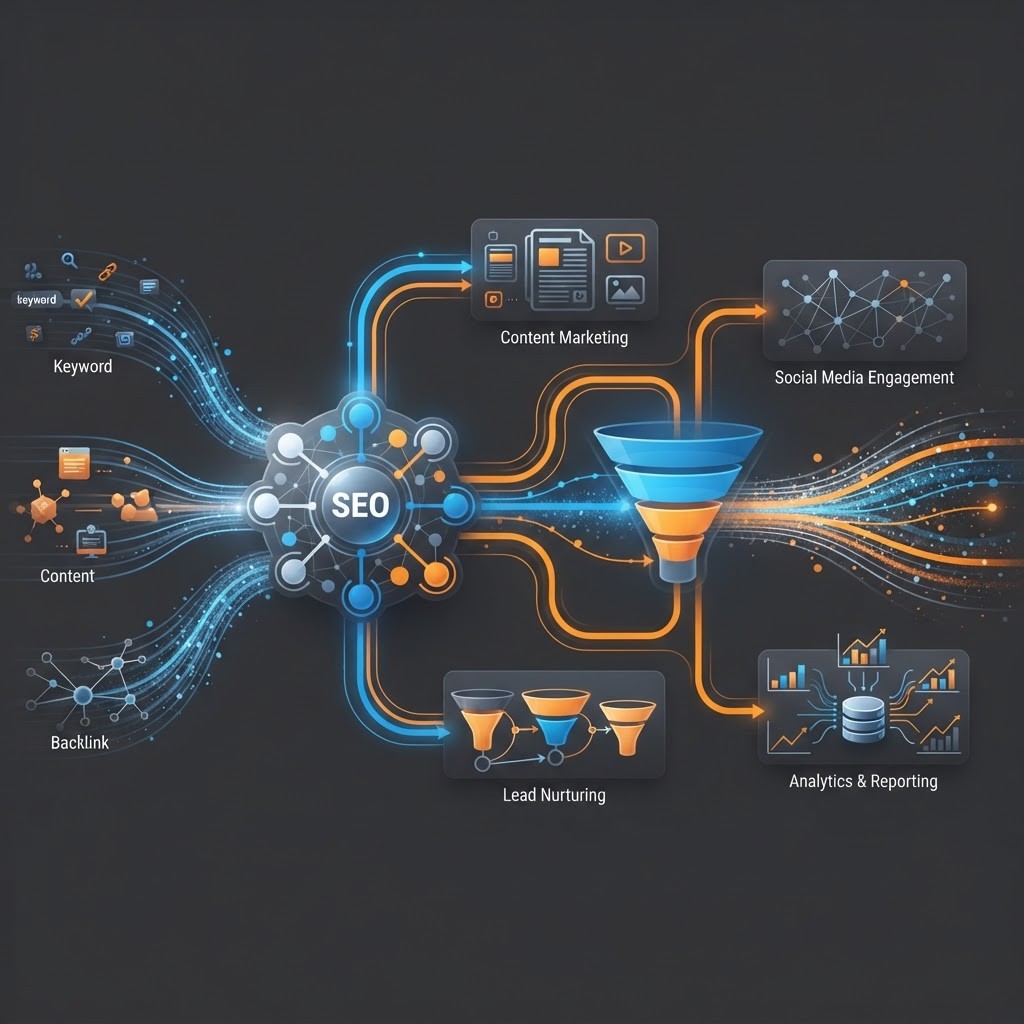
What Is SEO Hubspot
Understanding SEO in HubSpot
HubSpot is a well-known customer relationship management (CRM) and inbound marketing platform, and one of its most valuable features is the collection of built-in search engine optimization tools. When people ask "what is SEO HubSpot," they usually mean the set of SEO recommendations, content strategy tools, and reporting dashboards that live inside HubSpot's Marketing Hub and content management system. Rather than jumping between separate keyword tools, page auditors, and analytics platforms, HubSpot brings much of that work into a single connected workspace where content, contacts, and campaigns all talk to each other.
At its core, SEO in HubSpot is designed to support the inbound methodology: attract the right visitors with helpful content, convert them into leads, and nurture them into customers. The SEO tools guide you toward publishing content that both search engines and real people find useful, while the CRM side ensures you can measure how organic traffic turns into pipeline and revenue.
Grow Your Rankings With AAMAX.CO
At AAMAX.CO, we help businesses get the most out of platforms like HubSpot by combining smart tooling with proven strategy. Our team offers professional SEO services that align your HubSpot content with the keywords, topics, and technical standards that drive real organic growth. Whether you are just setting up your Marketing Hub or trying to scale an existing content operation, we build the roadmap, produce optimized content, and monitor performance so your investment in HubSpot pays off. As a full-service digital marketing company serving clients worldwide, we make sure your SEO efforts connect directly to leads and sales.
The Core SEO Tools Inside HubSpot
HubSpot organizes its SEO features around a few key areas. The first is the SEO recommendations panel, which scans your website and highlights fixes ranked by potential impact, such as missing meta descriptions, slow-loading pages, or pages without secure connections. The second is the content strategy or topic cluster tool, which helps you build authority around core subjects by connecting a central pillar page to related cluster content. This structure mirrors how modern search engines understand topical relevance.
HubSpot also includes on-page optimization prompts directly within the blog and page editors. As you write, the platform reminds you to include your target keyword in the title, headers, URL, and image alt text. These nudges are especially helpful for teams that do not have a dedicated SEO specialist, because they turn best practices into simple, actionable checklists.
Topic Clusters and Content Strategy
One of HubSpot's standout contributions to modern SEO is its emphasis on topic clusters. Instead of chasing hundreds of unrelated keywords, you choose a handful of broad subjects your business wants to be known for. Each subject becomes a pillar page, supported by multiple in-depth articles that link back to it. This approach signals expertise to search engines and creates a better browsing experience for visitors who want to explore a subject thoroughly.
HubSpot visualizes these clusters so you can see gaps in your coverage and opportunities to add supporting content. Over time, this disciplined structure tends to outperform scattered, one-off blog posts because it builds sustained topical authority rather than isolated traffic spikes.
Measuring SEO Performance in HubSpot
Because HubSpot connects marketing activity to its CRM, its reporting goes beyond simple rankings and traffic counts. You can trace an organic visitor from their first search-driven visit through form submissions, email engagement, and eventually a closed deal. This closed-loop reporting is where HubSpot SEO becomes genuinely powerful: it answers the question every business owner asks, which is whether SEO actually generates revenue.
Integrations with Google Search Console pull in real query data, so you can see the exact terms bringing people to your site. Combined with HubSpot's attribution reporting, this lets you double down on the topics that convert and quietly retire content that attracts traffic but never leads to business outcomes.
Who Benefits Most From HubSpot SEO
HubSpot SEO is a strong fit for small and mid-sized businesses that want an all-in-one system rather than a patchwork of tools. It is also popular with marketing teams practicing inbound marketing, since the SEO features are tightly woven into content creation, lead nurturing, and analytics. Larger enterprises may still supplement HubSpot with specialized SEO platforms for deep technical audits, but even then HubSpot serves as the central hub for content planning and performance tracking.
The main advantage is convenience and alignment. When your keyword research, content production, publishing, and revenue reporting all live in one place, your team spends less time exporting spreadsheets and more time creating content that ranks and converts.
Getting Started the Right Way
To make the most of SEO in HubSpot, begin by connecting Google Search Console, defining your core topics, and running the SEO recommendations scan to fix obvious technical issues. From there, build out pillar pages and supporting cluster content, optimize each page using the on-page prompts, and review your reports monthly to refine your strategy. Consistency matters far more than intensity; steady publishing and ongoing optimization compound over time.
Ultimately, HubSpot gives you the tools, but strategy and execution determine your results. Pairing HubSpot's platform with expert guidance ensures you are targeting the right opportunities and avoiding common mistakes. When you combine the right technology with a clear plan, HubSpot SEO becomes a reliable engine for attracting qualified visitors and turning them into long-term customers.
Want to publish a guest post on aamax.co?
Place an order for a guest post or link insertion today.
Place an Order