

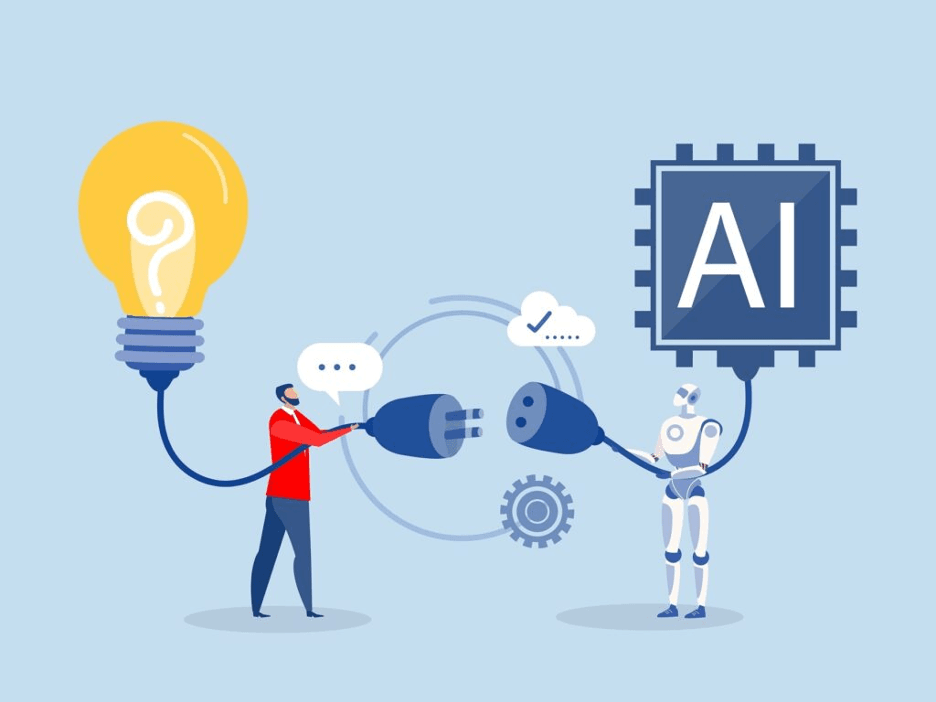
What Does Humanizing Content Mean? And Why It’s Crucial for Modern SEO
It's the modern age, and technology has evolved extensively. That streamlines our daily life tasks, especially the generation of content is just a prompt away, right? Yes! It's about the innovative AI tools. They have made the writing so easy for bloggers and authors. Due to the excessive robotic content, humanizing it has become a critical thing.
In 2026, the Google search engine prioritizes the original, helpful, and natural content for the success of SEO. AI models struggle to produce human-like content, which means they fail to inject a creative, emotional, and robot-free tone that resonates with readers. It's the real gem to better SEO, ranks on Google, engages the readers, and scales growth.
Humanized content is not just an option; it’s imperative for a startup, author, or someone who wants to enhance business visibility and improve search engine rankings.
So, let’s explore in detail what exactly the humanized content is and why it has become so vital for modern seo of businesses.
What is Meant by Humanizing Content?
Humanizing AI content refers to the process of refining, editing, and improving the machine-generated text so it sounds as if a real human wrote it. AI writing is so technical, formal, or direct to the point. In this way, the content can not be engaging and relatable for your readers, as they feel like some machine is guiding them. This is what pulls your readers away rapidly. When you provide content that not only contains instructions but also a real emotional touch, natural human feelings, simpler phrases, and builds interest, it attracts more traffic.
Key Factors of Humanized Content
It may be hard for you to know when the content is humanized and ready to use on platforms. However, you can use an AI detector tool to evaluate and refine the text. That’s why I have discussed the following common aspects that highlight the text is humanized, especially in terms of the AI checker.
Consistent sentence flow: When the content is generated through an AI model, it can just provide the information. The consistency among sentences is obtained through human analysis.
Clear and understandable language: Humans don't write in complex or overly formal wording. They use phrases that speak in everyday life–simple and easy to understand.
Vary sentence style: The content that contains the same length sentences, almost throughout the whole writing, is rapidly detected as AI. When authors write, they do not focus on sentence measurements.
Natural transitional words: Logical connectors and soft transitions highlight that one idea or intent goes to the next, which provides a consistent flow of writing to readers. That means they are only used where they are essential. Only humanized content includes these types of adjustments and flow. Artificial content lacks the sense of discussing them only when needed.
Real human Emotions: AI writings contain facts, information, and updates. A human adds the feeling of any emotions to it, whoever it feels, without losing professionalism. This is one reason why an AI Detector can easily identify robotic patterns in content. AI does not offer feelings and emotional insights throughout the content.
Example
No humanization practice:
“Humanizing AI content is important because it improves readability and helps content perform better in search engines. AI-generated text often follows predictable structures, which may reduce user engagement.”
After humanizing:
“When your content is easy to read, people are persuaded and actually engage with it. That’s where humanizing becomes so important. By adding natural changes, which usually include simplifying the complex patterns, and writing the way people naturally interact, your content offers what readers are seeking. They are more likely to trust it and keep scrolling.”
Moreover, humanized content highlights context and intent more efficiently and prominently. And it includes personalized insight, practical examples, or a conversational tone. That means, humans do not write in a uniform approach as AI does. Hence, if you are not a writing expert, the humanization of AI text is not possible at the beginner's level. Therefore, the tool, Humanize AI text, operates with a deep learning algorithm to rewrite robotic text in a human-like style. First, it scans the input text deeply and then makes changes such as adding accurate phrases, simplifying AI structures, and changing unified patterns of sentences.
In modern SEO, humanizing matters because search engines highly reward content that presents genuine value and a better reading experience. Search engine analytics compile through the influence of your content on readers. Let’s dive deep into its details.
Why is Humanizing Content Crucial for Modern SEO?
Humanizing content's main purpose is to create something useful that real people need, not just for search engine algorithms. According to today’s SEO trends, search engines, especially Google, explicitly prioritize content first that genuinely helps users solve their problems, answers their questions thoroughly, and reflects the real expertise of writers.
1. Tailor For Google’s “Helpful Content” & E-E-A-T Priorities
According to Google’s guidelines and recent algorithm updates, helpful, reliable, and well-organized content is especially considered and ranks specifically. This type of content is usually produced by following the rule of (E-E-A-T): Experience, Expertise, Authoritativeness, and Trustworthiness. Content that appears generic, artificially optimized, or written with exact data is devalued in favor of content that clearly serves human needs.
2. Prioritize User Engagement
Humanized content that is understandable, well-structured, and genuinely based on useful guides sticks readers on the page longer, reduces pull-away rates, and encourages proper interactions like internal linking clicks or social shares. These behavioral signals are interpreted by search engines to stabilize the markers of quality. This further drives the organic rankings.
3. Build Credibility and Trust
With accurate data, personalized touch, expert insights, or clear explanations, your target audience is more likely to trust and find your source credentials. Moreover, it promises long-term relationships with them. When you win to offer reliability and confidence from your side, the expected business outcomes are possible.
There are more advantages of trusted content; it is further shared, linked to, or mentioned by other websites. In this way, people not only start to rely on your business but also strengthen your website’s authority over time.
4. Improve Natural Keyword Integration & Better UX
Seo requires placing keywords naturally within helpful explanations rather than forcefully adjusting them into text, which only humanization offers. This improves readability and avoids outdated tactics, e.g, keyword stuffing that harms rankings greatly.
5. Scale Long-Term SEO Growth
Humanized content is the power that offers long-term seo success. By meeting real readers' needs and building trust, humanized content continues to perform excellently in the vast competitive market. Ensure the multiple audience visits, increasing persuasiveness, and steadily growing organic traffic.
Wrap Up
I tried to offer a detailed guide on the importance of humanized content for modern seo trends. In conclusion, it can be said that the content that does not sound robotic or easy to understand plays far better than the exact instructions of AI. The key aspects of content that sound more humanized contain the natural flow of consistency among the sentences, accurate phrases, simpler terms, and varied sentence lengths. You do not have to completely change the entire content, just make changes where you find the AI complex wording, same style sentences, weak relevancy, and lack of emotions.
Want to publish a guest post on aamax.co?
Place an order for a guest post or link insertion today.
Place an Order