

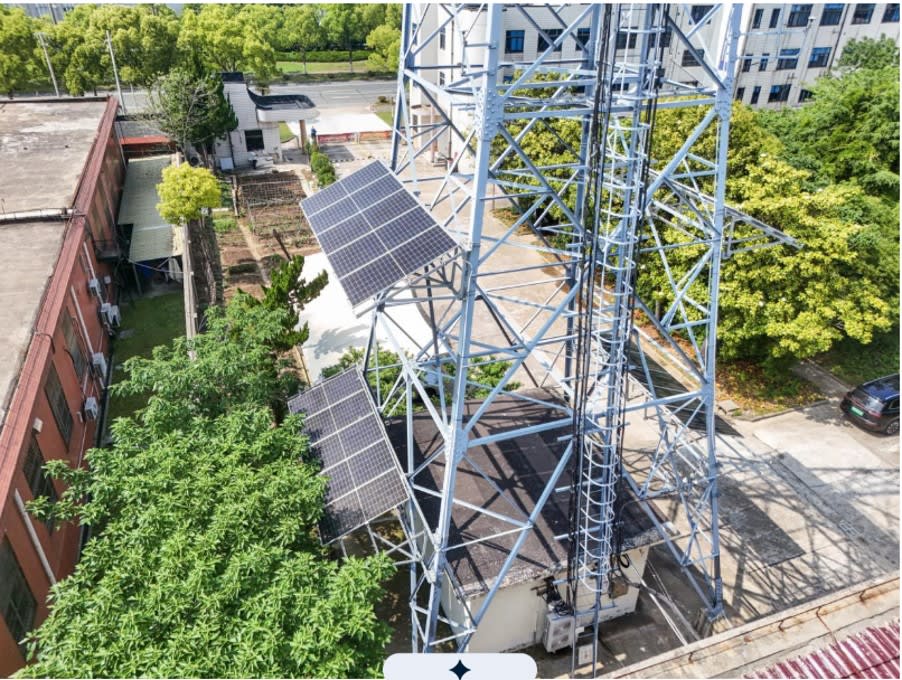
Solar-Plus-Storage for Telecom Infrastructure: Building More Reliable and Sustainable Power Systems
With the expansion of 5G, increased data traffic and growth of digital infrastructure, telecommunication companies encounter new power-related problems. Behind any mobile connection stands a complex network of base stations, transmission equipment and other facilities that require constant and reliable power supply.
Traditionally, telecom facilities operate on electricity from the grid and diesel generators. However, the rising cost of electricity, unreliable connections and the need to reduce CO2 emissions push the operators to look for renewable energy sources.
A combination of solar photovoltaic (PV) systems with battery energy storage is one of the promising solutions. By using solar generation, battery storage and conventional backup power, the telecom operators will improve energy reliability and decrease dependence on fossil fuels.
Why Telecom Networks Require Special Approach to Energy Management
Telecommunication networks have specific power needs. In contrast to many commercial buildings, base stations must operate constantly, day and night and even during bad weather conditions and power outages.
Moreover, in remote locations, providing a reliable source of electricity becomes especially complicated. Many facilities located in the mountains, desert or rural areas do not have access to the electricity grid.
Diesel generators traditionally covered this gap, but they have several disadvantages:
- High operating expenses: transportation of the fuel, regular maintenance and servicing increase the total lifetime cost of the remote telecom sites.
- Unreliable fuel supply: difficult conditions of transportation may interrupt fuel delivery and threaten the availability of the network.
- Negative environmental impact: ongoing use of diesel generators contributes to greenhouse gas emissions and pollution of the air.
- Maintenance: generators have moving parts that require regular inspection and replacement.
With the growth of mobile networks, the above-mentioned challenges become more relevant. Consequently, the operators require energy systems which combine high reliability, operating costs and environmental performance.
How Solar PV and Battery Energy Storage Work Together
Solar-plus-storage consists of photovoltaic panels, battery energy storage, power conversion equipment and energy management system.
During the day, solar panels generate electricity to power the telecom equipment. When the output of the solar panels exceeds current demands, excess electricity charges the battery system.
At night or during the period of low generation, stored energy powers the load. If the battery reaches the minimum level of operating or generation fails to cover electricity demands, diesel generator or connection to the grid provides extra energy.
This combination allows using solar power as the primary source of electricity with battery systems that provide power after sunset or during brief generation failures.
The key components of such a system include:
Solar PV modules: transform sunlight into electricity to power the site operation with renewable energy.
Battery Energy Storage System (BESS): store excess of generated electricity and provide energy after sunset or during brief generation interruptions.
Power conversion system: manage the conversion and distribution of electricity between solar generation, battery system and load.
Energy Management System (EMS): monitor the generation, battery system and electricity consumption to coordinate all energy sources depending on the current conditions.
The efficiency of such a system depends on the integration of the above components. For example, the battery with low capacity may fail to provide energy after sunset even if the output of the solar panels is high.
For operators evaluating different configurations, understanding the available Battery Energy Storage System solutions is an important part of developing a suitable energy architecture.
Choosing the Suitable System for Specific Telecom Sites
There is no universal solar-plus-storage system for every telecom facility. The site conditions, electricity demand, solar resource and backup needs influence the design of the energy architecture.
Grid-Connected Telecom Sites
In case of reliable grid connection, solar PV and battery storage can reduce electricity consumption and provide backup during the outages. The grid is available when generation and stored energy fail to satisfy demands. Such an approach is especially helpful for the operators who want to decrease electricity cost without changing their power infrastructure.
Off-Grid Telecom Sites
Remote base stations require a more powerful hybrid power system. Usually, it includes the combination of solar PV, battery storage and diesel generator. Solar energy covers the daytime load, batteries provide electricity at night and generator operates when both renewable generation and battery system cannot satisfy demands.
It is important to size the system properly. Over-sized diesel generators waste fuel at low loads, and the under-sized battery system forces using more generator operation.
Retrofitting Existing Base Stations
There are many operators who operate hundreds of sites with conventional power systems. The replacement of all of them requires significant investments. Solar retrofitting is an alternative approach. It allows installing PV modules, battery storage and intelligent control equipment while keeping the existing compatible infrastructure.
This approach allows gradual adoption of renewable energy and eliminates the necessity to reconstruct the sites completely.
The Importance of Proper Energy Management
Installation of PV modules and battery storage does not guarantee the creation of an efficient telecom power system. Energy management is equally important.
Intelligent EMS allows tracking the generation of solar panels in real time, state of charge of the battery, electricity consumption and generator's operating conditions. Based on the obtained information, the system prioritizes the use of renewable energy, manages the charging and discharging of the battery and provides backup generation when needed.
Remote monitoring is especially helpful for operators with dispersed telecom sites. Instead of sending the technicians to each location for checking equipment and energy performance, the operator can monitor all equipment and energy performance through central monitoring platforms.
Predictive maintenance allows identifying any abnormal battery performance, reduction of PV output and generator failures before they result in operational issues.
Overcoming the Barriers to the Deployment of Solar-Plus-Storage
Despite its benefits, the deployment of solar-plus-storage is faced by several technical and economic barriers.
Limited space is one of them. The urban telecom sites usually have restricted space for traditional installation of the ground-mounted solar panels. Rooftop installations, elevated PV mounting systems and compact solar configurations may help to overcome this problem.
The climate conditions require special attention. The high temperatures accelerate the degradation of the batteries, and dust accumulation decreases the output of solar modules. The choice of equipment should take into account the local environment conditions, enclosure protection and thermal management.
Another important aspect is the scalability. The telecom networks are constantly growing, and power demands increase along with the equipment upgrades and new technologies. Modular energy architecture allows expanding the battery capacity and generation equipment according to the changes of site demands.
Moving Towards More Sustainable Telecom Infrastructure
Solar-plus-storage becomes increasingly relevant for the telecommunication operators who want to balance energy reliability, operating cost and environmental performance. The most efficient solutions do not include simple solar installations with batteries as back-ups. They are energy systems that are designed specifically for the energy demand, site conditions and operational requirements of each telecom site.
Specialized solar power solutions for telecom infrastructure show how renewable generation, energy storage and backup power can be combined to support the grid-connected and off-grid networks.
With the development of the battery technology, power electronics and energy management systems, solar-powered telecom infrastructure becomes increasingly important part of the transition towards more efficient and sustainable energy systems.
Want to publish a guest post on aamax.co?
Place an order for a guest post or link insertion today.
Place an Order