

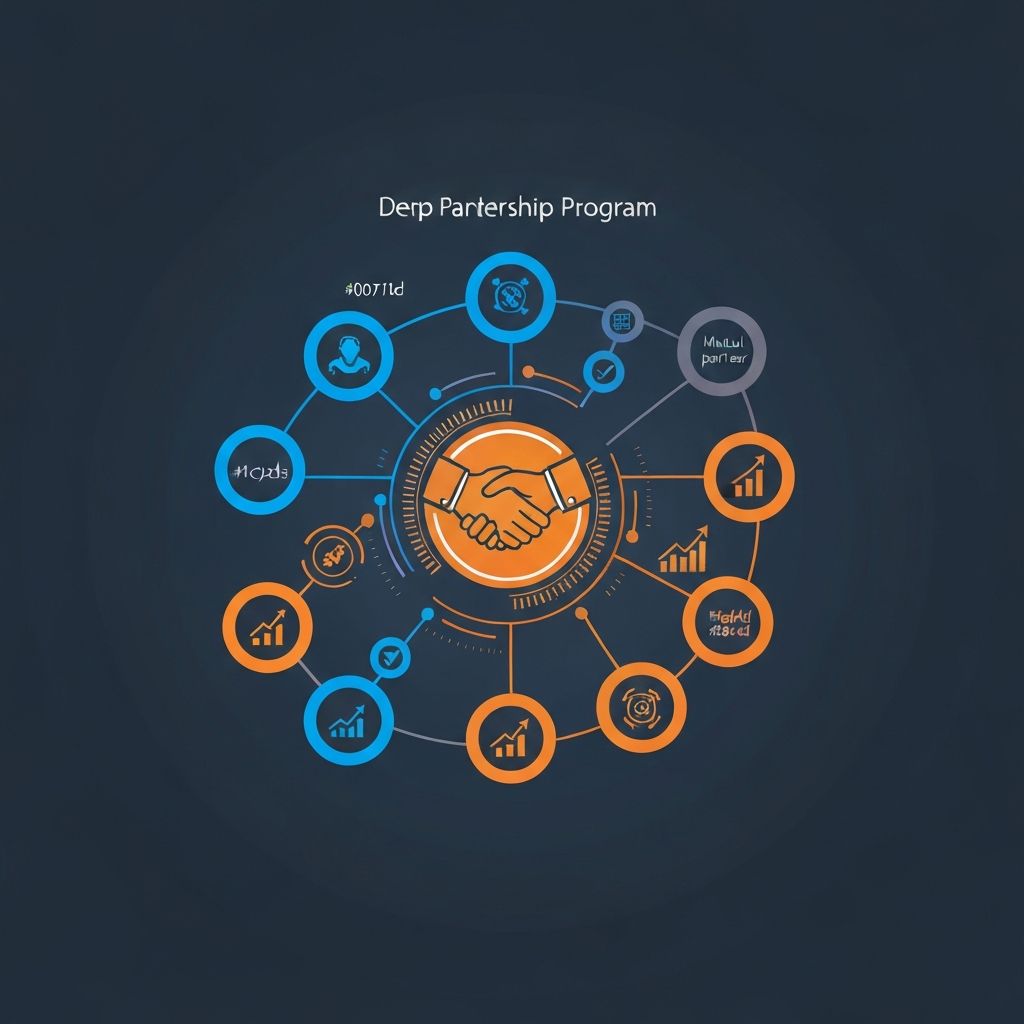
Web Design Partner Program
Introduction to Web Design Partner Programs
Partner programs have become essential growth strategies for web design agencies and freelancers. These collaborative arrangements enable businesses to expand service offerings, reach new markets, and increase revenue without proportionally increasing overhead. At AAMAX.CO, we understand the value of strategic partnerships in building successful web design businesses.
Whether you're looking to join existing partner programs or create your own, understanding partnership structures and best practices positions you for mutually beneficial collaborations. The right partnerships amplify your capabilities and accelerate growth beyond what you could achieve alone.
Types of Web Design Partnerships
Referral partnerships represent the simplest collaboration model. Partners refer clients to each other and receive commissions on resulting projects. This low-commitment approach works well for businesses with complementary but non-competing services.
White-label partnerships allow agencies to resell services under their own brand. A web design agency might partner with developers, SEO specialists, or content creators to offer comprehensive services without building all capabilities internally.
Technology partnerships connect agencies with platform providers, hosting companies, or software vendors. These partnerships often include certification programs, co-marketing opportunities, and preferred pricing.
Benefits of Joining Partner Programs
Expanded service offerings allow you to say yes to more client requests. Instead of turning away work outside your core competencies, partnerships enable you to fulfill diverse needs while maintaining focus on your strengths.
Revenue diversification through commissions and reselling reduces dependence on project-based income. Ongoing referral relationships and white-label arrangements create recurring revenue streams that stabilize business finances.
Our website design partnerships enable collaborators to offer design services while focusing on their core strengths in development, marketing, or consulting.
Creating Your Own Partner Program
Defining clear value propositions for potential partners starts the program design process. What do partners gain from the relationship? Commissions, expanded capabilities, co-marketing support, and preferred access are common offerings.
Establishing partner tiers creates progression paths that incentivize engagement. Basic partners might receive standard commissions while premium partners earn higher rates, priority support, and additional benefits based on performance.
Documentation including partner agreements, onboarding materials, and sales resources ensures consistency and professionalism. Well-prepared programs attract serious partners and establish productive working relationships.
Partner Program Compensation Structures
Percentage-based commissions on referred project revenue are common in referral programs. Rates typically range from ten to twenty percent depending on industry norms and relationship depth. Higher-touch referrals involving warm introductions often command higher rates.
Flat-fee referral bonuses provide predictable compensation regardless of project size. This approach simplifies accounting and works well when project values vary significantly.
Reseller margins in white-label arrangements allow partners to set their own pricing while purchasing services at wholesale rates. This model gives partners flexibility while ensuring provider profitability.
Technology Platform Partnerships
Hosting provider partnerships offer revenue sharing, preferred pricing, and co-marketing opportunities. Major hosting companies actively court web design agencies who can influence hosting decisions for multiple clients.
Content management system partnerships, particularly with platforms like WordPress, provide certification, directories, and resources for agencies specializing in specific technologies. Our WordPress development expertise opens partnership opportunities within that ecosystem.
Marketing automation and business tool partnerships enable agencies to resell complementary services. Email marketing platforms, CRM systems, and analytics tools often offer partner programs for resellers and implementers.
Finding the Right Partners
Complementary services rather than competing services make ideal partnerships. A web design agency might partner with copywriters, photographers, or SEO specialists who enhance rather than duplicate capabilities.
Shared values and professional standards ensure collaborative success. Partners should maintain similar quality standards and business ethics to protect your reputation when they represent your brand.
Geographic considerations matter for some partnerships. Local partners for face-to-face client relationships or global partners for round-the-clock coverage serve different strategic purposes.
Managing Partner Relationships
Regular communication maintains healthy partnerships. Scheduled check-ins, shared dashboards, and open communication channels keep partners engaged and relationships strong.
Performance tracking identifies top performers and struggling relationships. Metrics like referral volume, conversion rates, and client satisfaction guide program improvements and partner management decisions.
Partner enablement through training, resources, and support maximizes program value. Well-supported partners perform better and remain engaged longer.
Partner Portal and Tools
Dedicated partner portals provide centralized access to resources, tracking, and communication. These platforms streamline operations and create professional partner experiences.
Essential portal features include project submission forms, commission tracking, document libraries, and support ticketing. Integration with CRM and accounting systems automates processes and reduces administrative burden.
Mobile accessibility ensures partners can engage with your program from anywhere. Modern partner management requires responsive tools that work across devices.
Marketing and Co-Marketing Partnerships
Co-marketing arrangements share costs and expand reach for both partners. Joint webinars, content collaborations, and shared advertising campaigns leverage combined audiences.
Case study collaborations showcase partnership value to potential clients of both partners. Demonstrating successful collaborative projects builds credibility and attracts new business.
Directory listings and partner pages on each other's websites provide ongoing exposure and referral opportunities beyond active marketing campaigns.
Development and Technical Partnerships
Front-end and back-end development partnerships allow design-focused agencies to offer full-stack capabilities. Specialists in front-end web development partner with back-end web development experts to deliver complete solutions.
Technology stack partnerships connect specialists in different frameworks. A ReactJS web development agency might partner with mobile developers or database specialists to expand project capabilities.
Quality assurance and testing partnerships ensure deliverables meet standards without building internal QA teams. Specialized testing partners bring expertise and objectivity to quality processes.
Legal Considerations in Partnerships
Written partnership agreements protect all parties. Agreements should address compensation, intellectual property, confidentiality, client ownership, and termination procedures.
Non-compete and non-solicitation clauses prevent partners from poaching clients or employees. These protections must be reasonable in scope to be enforceable while still providing meaningful protection.
Insurance and liability considerations ensure appropriate coverage when partners represent your brand. Requiring partner insurance and including indemnification clauses manages risk appropriately.
Measuring Partnership Success
Revenue attribution tracks partnership contributions to business growth. Understanding which partnerships generate the most value guides resource allocation and program development.
Partner satisfaction measurement through surveys and feedback identifies improvement opportunities. Satisfied partners promote your program and stay engaged longer.
Return on partnership investment compares program costs against generated value. Administrative expenses, commissions, and partner support costs must be weighed against revenue and strategic benefits.
Conclusion: Building Growth Through Partnerships
Strategic partnerships accelerate growth for web design businesses of all sizes. Whether joining established programs or creating your own, partnerships expand capabilities, reach new markets, and increase revenue.
At AAMAX.CO, as a full-service digital marketing company offering web development, digital marketing, and SEO services, we maintain partnerships that enhance our offerings while supporting partners' success. Our collaborative approach reflects our belief that strong relationships create value for everyone involved.
Interested in exploring partnership opportunities? Contact us today to discuss how collaboration could benefit both our businesses.
Want to publish a guest post on aamax.co?
Place an order for a guest post or link insertion today.
Place an Order