

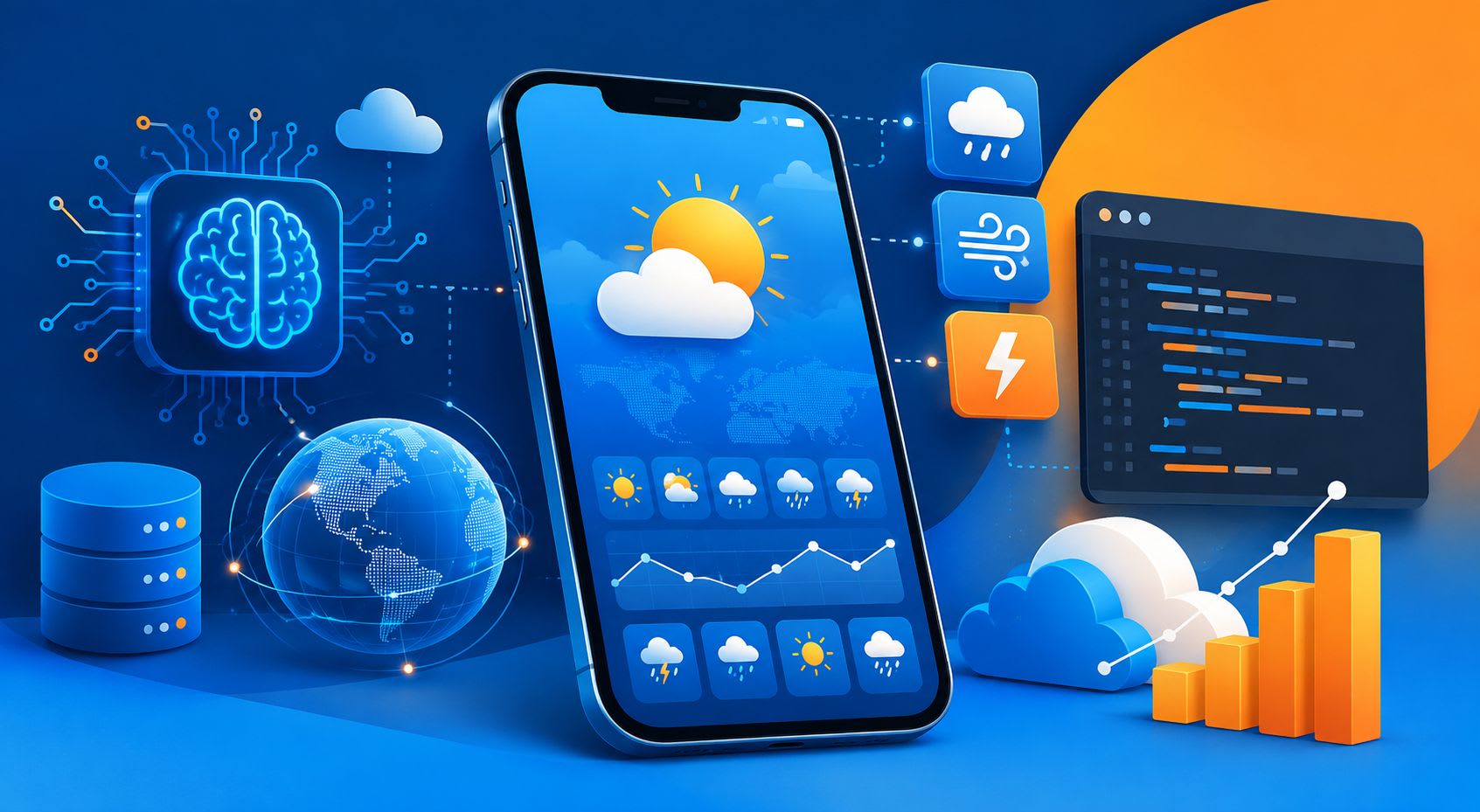
How to Build AI-Powered Mobile Weather Apps
The Future of Meteorology: How to Build AI-Powered Mobile Weather Apps
In today's fast-paced world, where weather conditions can change rapidly, mobile weather applications have become an indispensable tool in people's daily lives. Whether it's planning a weekend getaway, deciding what to wear, or preparing for extreme weather conditions, a reliable weather app can make all the difference. The integration of Artificial Intelligence (AI) into these applications has revolutionized how we interact with weather data, offering not just forecasts, but personalized insights and predictions. This article explores the journey of creating a mobile weather app with built-in AI, guiding you through each step from conceptualization to launch.
The Conceptualization of a Weather App
Understanding the App’s Purpose and Audience
The first step in creating a weather app is to define its purpose. Will it cater to general users, outdoor enthusiasts, or professionals needing detailed meteorological data? Understanding your target audience is crucial. This step involves determining the app's core features, such as daily forecasts, weather warnings, or interactive radar maps. The goal is to address the specific needs of your users, making the app not just a tool, but a daily companion.
Focusing on User-Centric Design
The user-centric approach is pivotal. How users interact with your app determines its success. This phase involves brainstorming sessions, user surveys, and studying existing apps to identify what works and what can be improved. The key is to blend functionality with simplicity, ensuring the app delivers accurate weather information in an easily digestible format.
Designing the User Interface and Experience
Creating an Intuitive Design
The design phase focuses on how users will navigate the app and access its features. The user interface (UI) should be intuitive, ensuring that critical information like current weather conditions and forecasts is readily accessible. A well-designed UI combines aesthetic appeal with functionality, making the use of the app a pleasant experience.
Making Weather Data Visually Engaging
An effective weather app presents data in a visually engaging manner. This involves creative use of colors, icons, and graphics to represent different weather conditions. Interactive elements, such as zoomable radar maps or customizable widgets, can significantly enhance the user experience. The design should not only be attractive but also cater to the diverse needs of users, from those who prefer a quick glance at the weather to those who seek in-depth meteorological data.
Incorporating AI for Enhanced Functionality
Leveraging AI Development Services
At the heart of a modern weather app lies the power of Artificial Intelligence. Integrating AI requires expertise, often found through professional AI development services. These services provide the necessary skills and technology to implement advanced AI features in your app. AI can be used to analyze vast amounts of meteorological data, providing more accurate and localized weather predictions. It can also learn from user interactions, offering personalized weather updates and alerts tailored to individual preferences.
AI-Driven Predictive Analysis
The key advantage of AI in weather apps is its ability to perform predictive analysis. By processing historical weather data, AI algorithms can forecast future weather conditions with remarkable accuracy. This predictive power is essential not just for daily forecasts but also for anticipating severe weather events, potentially saving lives and resources.
Technical Aspects of App Development
Selecting the Right Programming Languages and Tools
Developing a weather app with AI capabilities requires careful selection of programming languages and development tools. Languages like Swift for iOS and Kotlin for Android are popular choices for their efficiency and support for advanced features. The development process also involves choosing the right frameworks and libraries, especially those that support AI and machine learning.
Integrating AI Algorithms and Weather Data Sources
A crucial aspect is integrating AI algorithms that can process and analyze weather data. This involves sourcing reliable weather data from global meteorological services and using machine learning models to interpret this data. Ensuring the accuracy and timeliness of weather information is paramount. The technical infrastructure must be robust, capable of handling large volumes of data and delivering real-time updates to users.
Testing and Refining the App
Ensuring Functionality and User Experience
Testing is an iterative process that plays a critical role in app development. It's not just about fixing bugs but also about refining the user experience. User testing sessions can provide valuable insights into how real users interact with the app, highlighting areas for improvement. The app should be tested across different devices and platforms to ensure compatibility and performance.
Iterative Process Based on User Feedback
Post-launch, the app should continue to evolve based on user feedback. Regular updates are essential to improve functionality, add new features, and keep the app aligned with user needs and expectations. Feedback mechanisms within the app can encourage users to share their experiences and suggestions, fostering a continuous improvement cycle.
Launching and Marketing the App
Strategies for Effective Launch and Promotion
Launching a weather app requires a well-planned marketing strategy. This includes optimizing the app for the App Store and Google Play, using keywords, and creating an engaging app description. Promotional activities might include social media marketing, collaborations with influencers, and online advertising. The goal is to reach your target audience effectively and encourage app downloads.
Digital Marketing and App Store Optimization
Digital marketing plays a crucial role in promoting your app. SEO techniques can increase the app's visibility online, while social media platforms offer avenues to engage with potential users. App store optimization ensures that your app ranks higher in app store search results, increasing its chances of being downloaded.
Conclusion
Creating a mobile weather app with integrated AI solutions in Integrio Systems is a journey that blends technology with user-centric design and effective marketing. The integration of AI, particularly through professional AI development services, is a game-changer, offering users not just forecasts but personalized weather experiences. As you embark on this venture, remember that the success of your app lies in its ability to meet user needs and stand out in a competitive market. With the right blend of technology, design, and promotion, your weather app can become an essential tool for users worldwide, helping them navigate the ever-changing world of weather.
Want to publish a guest post on aamax.co?
Place an order for a guest post or link insertion today.
Place an Order