

The UI/UX Trick SaaS Companies Use to Make You Think the Free Trial Is Almost Over
Free trials have become one of the most powerful marketing tools in the software industry. Nearly every SaaS company offers some version of a free trial, giving potential customers a chance to explore features before making a purchase. On the surface, this seems like a win for users. They get to test a product without spending money, and companies get an opportunity to demonstrate value. However, behind many free trials lies a carefully designed user experience strategy that influences how people think, feel, and ultimately decide to buy.
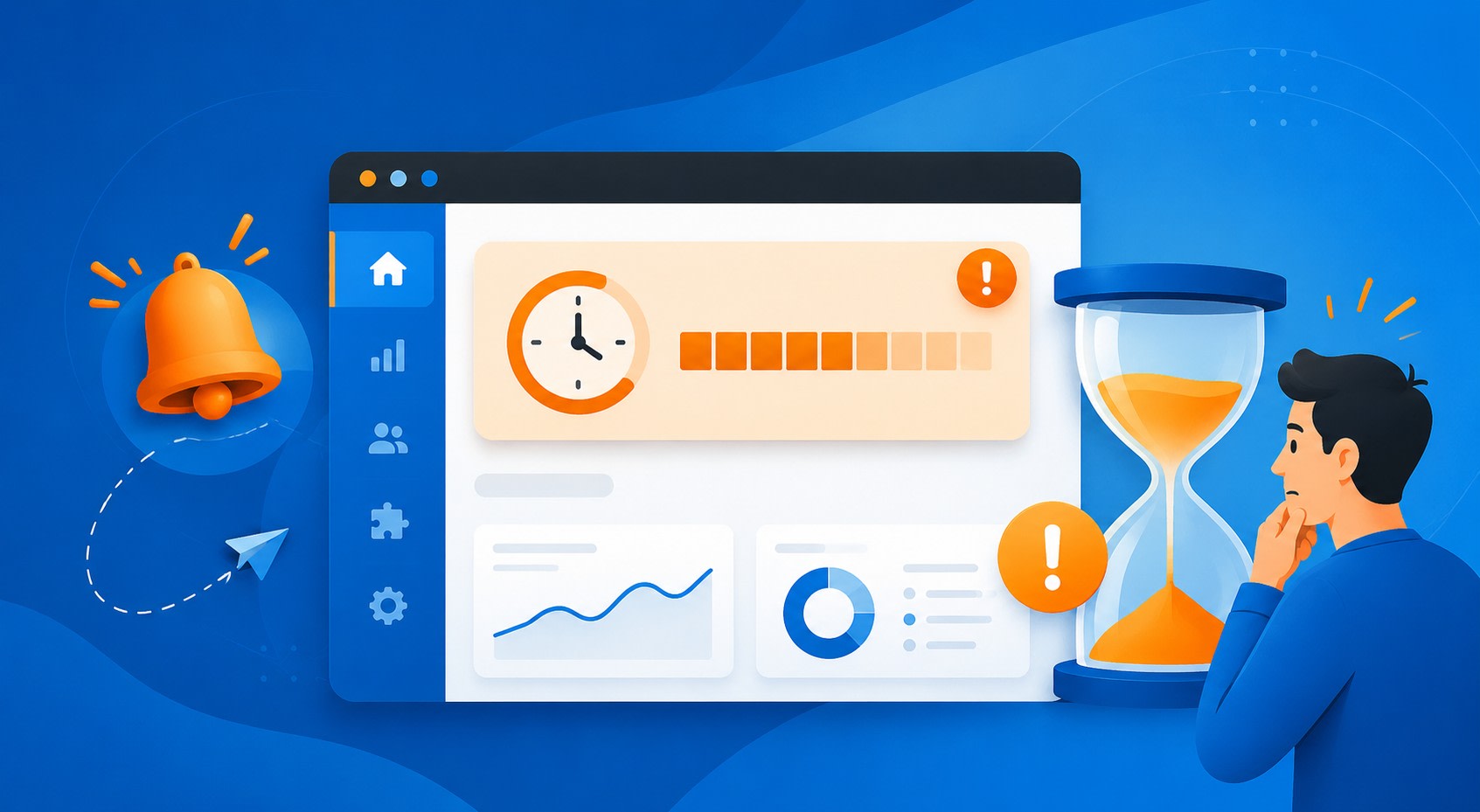
One of the most common techniques involves creating a sense of urgency. Users often receive notifications warning them that their trial is ending soon, even when several days remain. Progress bars appear nearly full, countdown timers become increasingly visible, and reminder emails arrive with subject lines designed to create concern. None of these tactics are necessarily deceptive. Most are based on real trial timelines. Yet the way they are presented can make users feel as though they are running out of time much faster than they actually are.
This approach works because people naturally place more value on opportunities they believe they might lose. Behavioral psychologists often refer to this as loss aversion. The fear of missing out on access to a useful tool can become stronger than the desire to carefully evaluate whether the software is truly needed. SaaS companies understand this psychology and design their user experiences to guide users toward a purchase decision before the trial expires.
Why Urgency Works So Well in SaaS
The average SaaS company faces a significant challenge. Most users sign up for a trial but never become paying customers. Some forget about the product entirely. Others use it briefly and move on. Because of this, software companies constantly search for ways to keep users engaged throughout the trial period.
One of the most effective methods is creating visible milestones. Instead of simply displaying "10 days remaining," companies may show a progress bar indicating that 80 percent of the trial has already been used. While technically accurate, the visual presentation changes how users perceive the situation. Seeing a nearly completed bar often creates a stronger emotional response than reading a number.
The same principle appears in email marketing. Rather than sending a simple reminder, companies frequently emphasize scarcity and urgency. Messages such as "Only three days left" or "Don't lose your data" are designed to encourage action. These messages tap into the natural human tendency to avoid loss rather than pursue gain.
Another common tactic involves feature restrictions. During the final days of a trial, some platforms increase visibility around premium features that will soon become unavailable. Users who have integrated those features into their workflows may feel pressure to subscribe simply to avoid disruption. In many cases, the software has already become part of their daily routine, making the thought of losing access uncomfortable.
The strategy is not always negative. When done ethically, urgency can help users make decisions and fully evaluate products before their trial ends. Problems arise when design elements exaggerate urgency to the point where users feel manipulated rather than informed.
A strong user experience should build trust rather than pressure. That balance is something many design leaders focus on carefully.
According to James Rigby, Founder, Design Cloud, successful design should guide users without creating unnecessary anxiety.
"I've worked with companies that initially believed more urgency would automatically increase conversions. In one project, we reduced aggressive countdown messaging and focused instead on showing users the value they had already gained from the platform. Trial-to-paid conversions improved by nearly 18 percent because users felt informed rather than pressured. My experience has taught me that great UI/UX is about building confidence and clarity. When people trust the experience, they are far more likely to become long-term customers."
His observation highlights an important shift occurring in the SaaS industry. While urgency remains effective, many companies are discovering that trust often produces better long-term results than pressure-based tactics.
The Psychology Behind the Countdown
Human behavior plays a major role in why these design techniques work so effectively. People tend to delay decisions when there is no immediate deadline. A free trial introduces a clear endpoint, forcing users to evaluate whether the product deserves a place in their budget.
This creates a natural opportunity for software companies to encourage action. Countdown timers, expiration notices, and progress indicators serve as visual reminders that a decision is approaching. Even users who intend to wait until the final day often find themselves thinking about the product more frequently because these reminders keep the deadline top of mind.
The design becomes even more powerful when combined with personalized data. Some platforms show statistics about work completed during the trial period. Others display the number of tasks completed, hours saved, or projects managed using the software. These metrics help users visualize what they would lose if access disappeared.
In many ways, the strategy resembles a gym offering a free membership month. If someone visits the gym every day for four weeks, the prospect of losing access feels more significant than it did when they first signed up. SaaS companies aim to create the same emotional connection through thoughtful onboarding and usage tracking.
Data plays a critical role in refining these experiences. Companies carefully monitor user behavior to determine which messages, layouts, and reminders lead to higher conversion rates.
Richard Spanier, CEO, Performance One Data Solutions (Division of Ross Group Inc), believes data analysis helps companies understand where urgency becomes helpful rather than overwhelming.
"Over three decades working with software and data systems, I've learned that user behavior tells a more accurate story than assumptions. We worked with an organization that analyzed trial engagement patterns and discovered users responded best to educational reminders instead of aggressive warnings. By adjusting the messaging strategy and focusing on user success metrics, conversion rates increased while customer satisfaction scores improved as well. Good data allows companies to create experiences that encourage action without damaging trust."
His perspective highlights the growing importance of balancing performance metrics with customer experience. The most successful SaaS businesses are not simply trying to maximize short-term conversions. They are building relationships that lead to long-term retention.
When Free Trials Become Part of the Product
An interesting trend has emerged in recent years. Some SaaS companies now treat the free trial itself as a carefully designed product experience rather than a temporary preview. Every interaction, notification, and feature recommendation is intentionally crafted to demonstrate value within a limited timeframe.
This means users are often exposed to their most important "aha" moments early in the trial. Instead of saving advanced features for later, companies introduce valuable capabilities quickly so users experience meaningful results before the deadline approaches. Once users see those benefits, they are more likely to view the subscription as an investment rather than an expense.
This approach has become especially common among startup founders who understand how difficult it is to acquire customers. The cost of attracting a new user continues to rise across many industries, making conversion optimization increasingly important. Every aspect of the trial experience is carefully measured and refined.
At the same time, companies must be careful not to prioritize short-term conversions at the expense of long-term trust. Customers who feel tricked into subscribing are far more likely to cancel later or leave negative reviews. Sustainable growth depends on creating positive experiences that continue beyond the initial purchase.
That long-term perspective is something many successful founders emphasize when building software businesses.
Andrew Gazdecki, Founder and CEO, Acquire.com, believes the strongest SaaS companies focus on delivering value rather than manufacturing urgency.
"Having worked with thousands of founders and facilitated hundreds of millions of dollars in startup acquisitions, I've seen a clear pattern emerge. The companies that create lasting growth are usually the ones that help users achieve meaningful results quickly. One founder I worked with redesigned their onboarding process to focus entirely on user success during the first week, which increased paid conversions by more than 20 percent. In my experience, urgency can help drive decisions, but genuine value is what builds sustainable businesses."
His insight reflects an important lesson for both founders and customers. While UI and UX techniques can influence decisions, lasting success depends on delivering a product that genuinely solves a problem.
Conclusion
The next time a SaaS platform tells you your free trial is almost over, it may be worth taking a closer look at how the message is presented. Progress bars, countdown timers, reminder emails, and feature prompts are often designed to create urgency and encourage action. These tactics are not inherently bad. In many cases, they help users stay engaged and make informed decisions before their access expires.
However, the most effective SaaS companies understand that trust matters just as much as conversion rates. Users are becoming more aware of psychological design techniques and increasingly value transparency. Companies that focus on helping customers experience real value rather than relying solely on pressure-based tactics are more likely to earn long-term loyalty.
The lesson is simple. Good UI/UX should guide users toward better decisions, not rush them into purchases. The best software companies understand that when customers feel informed, empowered, and successful, they are far more likely to stay long after the free trial ends.
Want to publish a guest post on aamax.co?
Place an order for a guest post or link insertion today.
Place an Order