

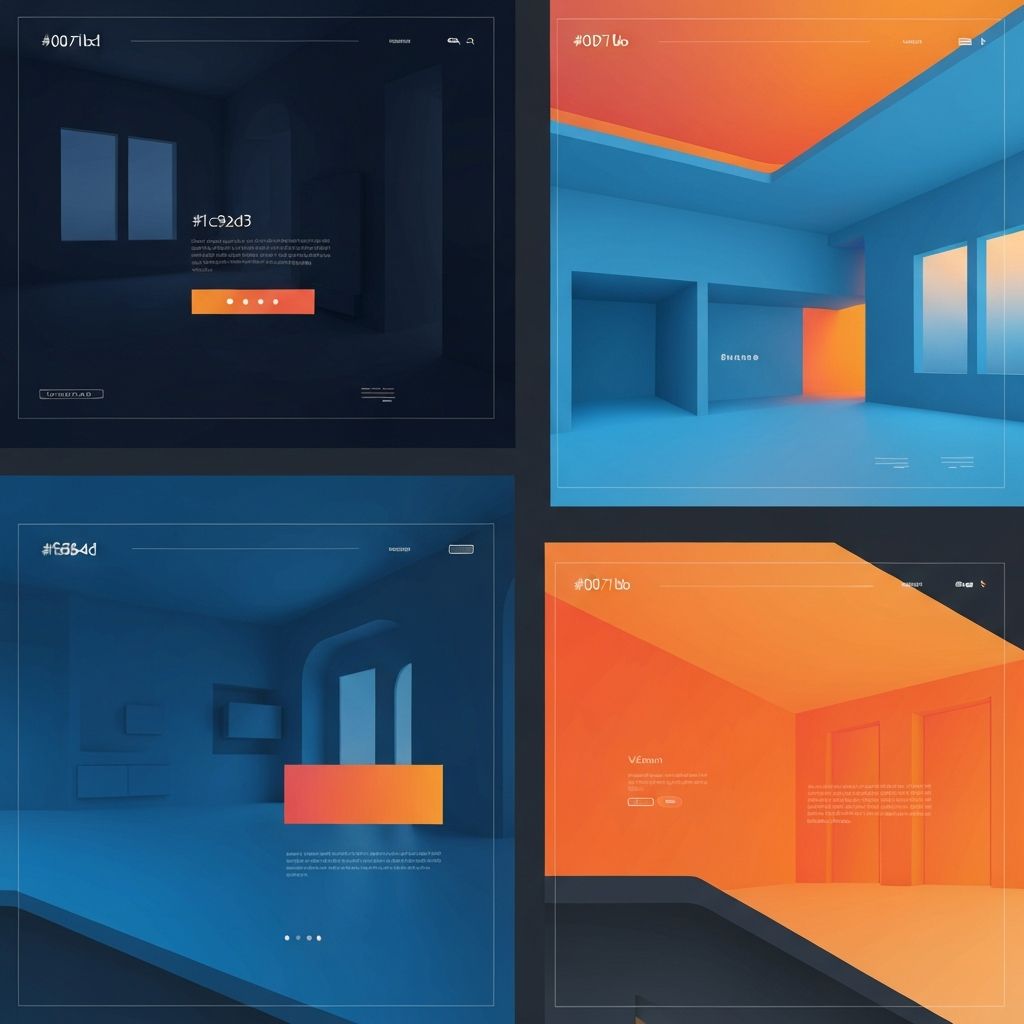
Interior Web Design
Understanding Interior Web Design
Interior web design represents a fascinating convergence of physical space design principles and digital interface creation. This approach to web design draws inspiration from the way interior designers organize spaces, select color palettes, and create atmospheres that evoke specific emotions. At AAMAX.CO, we believe that the best websites feel like well-designed rooms—inviting, functional, and aesthetically pleasing.
Just as an interior designer considers how people will move through and use a space, web designers must think about how users will navigate and interact with a website. This parallel thinking has given rise to interior web design, a methodology that applies spatial design principles to digital experiences.
The Philosophy Behind Interior Web Design
Interior web design is more than just making websites look like physical spaces. It's about understanding the underlying principles that make interior design successful and applying them to the digital realm.
Flow and movement are central to both disciplines. In interior design, this means creating clear pathways through a space and ensuring people can move intuitively from one area to another. In web design, it translates to intuitive navigation, clear visual hierarchies, and logical content organization.
Balance and proportion matter equally in both fields. Interior designers carefully balance furniture, artwork, and architectural elements. Web designers must balance text, images, white space, and interactive elements to create harmonious layouts.
Atmosphere and mood are created through careful selection of colors, textures, and lighting in interior design. Web designers achieve similar effects through color schemes, typography, imagery, and even micro-animations.
Applying Spatial Concepts to Web Design
Let's explore how specific interior design concepts translate to effective web design practices.
The concept of focal points is essential in both disciplines. In a living room, this might be a fireplace or a stunning piece of art. On a website, focal points might be hero images, key messaging, or primary calls-to-action. Our website design services carefully establish focal points that guide user attention and drive engagement.
Negative space (or white space in web design) is just as important as the elements themselves. Interior designers understand that cluttered rooms feel chaotic and unwelcoming. Similarly, websites with too many elements competing for attention overwhelm visitors. Strategic use of white space creates breathing room and emphasizes important content.
Layering adds depth and interest to interior spaces through textiles, accessories, and decorative elements. In web design, layering might involve background images, overlapping elements, shadows, and depth effects that create visual interest and dimension.
Color Theory Across Disciplines
Color is perhaps the most obvious connection between interior design and web design. Both disciplines rely heavily on color theory to create specific atmospheres and guide viewer responses.
Warm colors like reds, oranges, and yellows create energy and excitement in both physical and digital spaces. They can make spaces feel cozy and inviting or bold and dynamic, depending on how they're used.
Cool colors like blues, greens, and purples have calming effects. They're often used in spaces meant for relaxation or concentration, and similarly on websites for healthcare, finance, or wellness brands.
Neutral colors provide versatile backdrops that allow other elements to shine. In interior design, neutrals create sophisticated, timeless spaces. In web design, they ensure content remains readable and images pop.
Accent colors add personality and draw attention to specific elements. Just as a throw pillow might add a pop of color to a neutral sofa, accent colors on websites highlight buttons, links, and important information.
Typography as Furniture
In interior web design thinking, typography serves a similar function to furniture in a physical space. Just as furniture defines how a room is used and experienced, typography shapes how content is consumed and understood.
Headline fonts are like statement furniture pieces—bold, attention-grabbing, and setting the tone for the space. They should reflect the brand's personality while remaining functional.
Body text is like everyday furniture—comfortable, practical, and designed for extended use. Readability is paramount, just as comfort is essential for chairs and sofas.
Decorative fonts are like accent pieces—used sparingly for specific purposes and adding personality without overwhelming the space.
Our front-end web development team carefully selects and implements typography that enhances both aesthetics and usability.
Creating Digital Atmospheres
One of the most powerful aspects of interior web design is its focus on creating atmospheres that evoke specific emotional responses.
Luxury websites often employ the same principles as high-end interior design: restrained color palettes, generous white space, elegant typography, and high-quality imagery. These elements combine to create an atmosphere of exclusivity and sophistication.
Cozy, welcoming websites might use warm colors, rounded shapes, friendly typography, and imagery that evokes comfort. Think of how a well-designed coffee shop makes you want to settle in and stay awhile.
Professional, authoritative websites often feature clean lines, structured layouts, and conservative color schemes—much like a well-designed corporate office or law firm lobby.
Creative, dynamic websites might break conventional rules with unexpected layouts, bold colors, and playful elements, similar to avant-garde interior spaces that challenge expectations.
User Experience as Hospitality
Interior designers always consider how people will use and move through a space. This hospitality-focused thinking translates directly to user experience (UX) design.
Just as a thoughtful host anticipates guests' needs, good UX design anticipates user needs. This means providing clear navigation, accessible information, and intuitive interactions.
Wayfinding in physical spaces uses signage, sightlines, and architectural cues to help people navigate. Websites use navigation menus, breadcrumbs, and visual hierarchies to serve the same purpose.
Comfort in interior design means appropriate furniture, good lighting, and pleasant temperatures. Digital comfort involves readable text sizes, appropriate contrast, fast loading times, and accessible design for all users.
Responsive Design as Adaptive Spaces
Modern interior design often incorporates flexible, multi-functional spaces that adapt to different needs. Responsive web design follows the same principle, adapting layouts to work across devices of all sizes.
Just as a well-designed open-plan living area can serve as a workspace, entertainment center, or gathering space, a responsive website adjusts its layout and functionality based on the device being used.
Our website development services ensure your website provides an optimal experience whether viewed on a large desktop monitor, tablet, or smartphone.
The Technical Foundation
Beautiful design requires solid technical implementation. Behind every stunning interior web design is clean code, optimized performance, and robust functionality.
Modern frameworks like React allow us to create dynamic, interactive websites that respond smoothly to user interactions. Our ReactJS web development expertise enables us to build sophisticated digital experiences.
Performance optimization ensures that beautiful designs load quickly and run smoothly. Just as a beautiful room is ruined by a broken air conditioner, a stunning website is undermined by slow loading times.
Accessibility ensures that all users can experience and interact with the website, regardless of abilities. This inclusive approach aligns with universal design principles in interior design.
Bringing Your Vision to Life
At AAMAX.CO, we combine design thinking with technical expertise to create websites that embody the principles of interior web design. Whether you're an interior designer looking for a website that reflects your aesthetic or a business seeking a website with the warmth and sophistication of beautifully designed spaces, we have the expertise to make it happen.
Our comprehensive approach includes everything from initial concept development through web development consulting to final implementation and ongoing support. We don't just build websites—we create digital spaces that welcome visitors and inspire action.
Contact us today to discuss how interior web design principles can transform your online presence into a space that truly represents your brand and engages your audience.
Want to publish a guest post on aamax.co?
Place an order for a guest post or link insertion today.
Place an Order