

Influencer Marketing Strategies for Gaming Industry: A Practical Guide for Game Growth
Gaming is one of the few industries where influencer marketing is not an addition, but part of how products are discovered. Players rarely download or purchase a game without first seeing someone else play it. Streams, gameplay videos, and short clips have become a standard way to evaluate games before trying them.
Because of this, influencer marketing in gaming requires a different approach. It is less about promotion and more about integration into content that players already watch. The strategies that work are those that feel natural, are timed correctly, and are aligned with the type of game being promoted.
Why Influencer Marketing Is Essential in the Gaming Industry
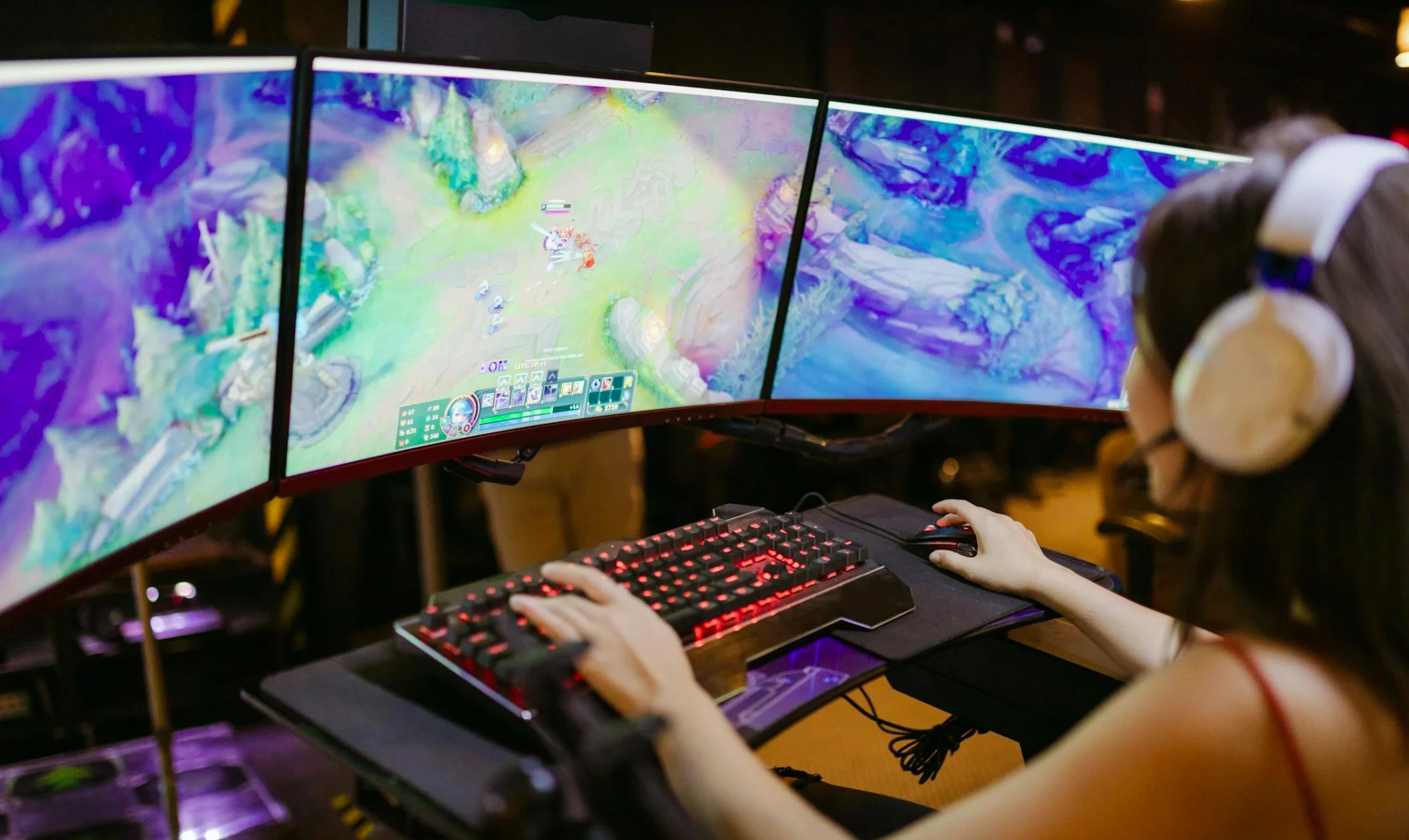
Gaming and influencer marketing are closely connected because content and gameplay naturally overlap. Watching others play is part of how players learn, evaluate, and stay engaged with games.
- Gaming is built around creators and communities - Streamers and content creators are central to how games spread. Their audiences are often highly engaged and return regularly, which creates a strong level of trust.
- Gameplay content is easy to share and consume - Clips, highlights, and live streams fit naturally into platforms like Twitch, YouTube, and TikTok. This makes gaming content highly visible and easy to distribute.
- Players rely on creators before making decisions - Instead of relying on ads or descriptions, players prefer to see real gameplay. Influencers act as a reference point, helping audiences decide whether a game is worth their time.
Because of these factors, influencer marketing in gaming is not only effective but expected. Brands that ignore it often struggle to gain visibility or credibility within the community.
Core Influencer Marketing Strategies for the Gaming Industry
Effective influencer marketing in gaming depends on alignment. The right creators, platforms, timing, and content format all need to match the type of game and the audience it targets. The following strategies reflect how successful campaigns are typically structured.
Choosing the Right Influencers for Your Game
The starting point is relevance. A creator’s audience should match the genre and style of the game. An FPS title, for example, requires a different audience than a casual mobile game or a story-driven RPG.
It is also important to balance reach and engagement. Larger creators can bring visibility, but smaller creators often have more active communities. In many cases, engagement and audience fit matter more than follower count. A smaller, well-matched audience is more likely to convert into players.
Platform-Specific Strategy
Each platform serves a different role in gaming campaigns, and using them correctly improves results.
- Twitch is built for live interaction. It works well for gameplay sessions, first impressions, and real-time engagement.
- YouTube supports longer content such as reviews, walkthroughs, and detailed gameplay analysis.
- TikTok is focused on discovery. Short clips and highlights can reach large audiences quickly and introduce the game to new players.
Rather than using all platforms the same way, it is more effective to adapt the content to how each one is used.
Timing Campaigns Around Game Lifecycle
Timing has a direct impact on performance. Influencer campaigns are most effective when aligned with key stages of the game’s lifecycle.
- Pre-launch builds awareness and anticipation through early access and previews
- Launch focuses on visibility and reach, often through multiple creators at once
- Post-launch supports retention with ongoing content, updates, and community engagement
A structured timeline helps maintain momentum instead of relying on a single campaign.
Using Gameplay Content Instead of Ads
Gaming audiences respond better to experience than promotion. Instead of traditional advertising, campaigns perform best when the game is shown in action.
Live streams, walkthroughs, and reaction content allow viewers to see how the game works in real conditions. This reduces uncertainty and helps players decide whether it fits their preferences. The focus is on showing gameplay, not describing features.
Building Community Around the Game
Long-term success in gaming depends on the community. Influencer marketing plays a role not only in acquisition but also in retention.
Communities form around shared experiences. Platforms like Discord, forums, and social channels allow players to interact, while creators help maintain engagement by continuing to produce content around the game.
When influencers become long-term partners rather than one-time promoters, they act as ongoing advocates. This consistency strengthens player interest and supports growth beyond the initial launch.
Types of Influencer Campaigns in Gaming
Gaming campaigns vary depending on the stage of the game and the goal of the promotion. The most effective formats are those that show the game in action and give audiences a clear sense of what to expect.
Sponsored Gameplay and Live Streams
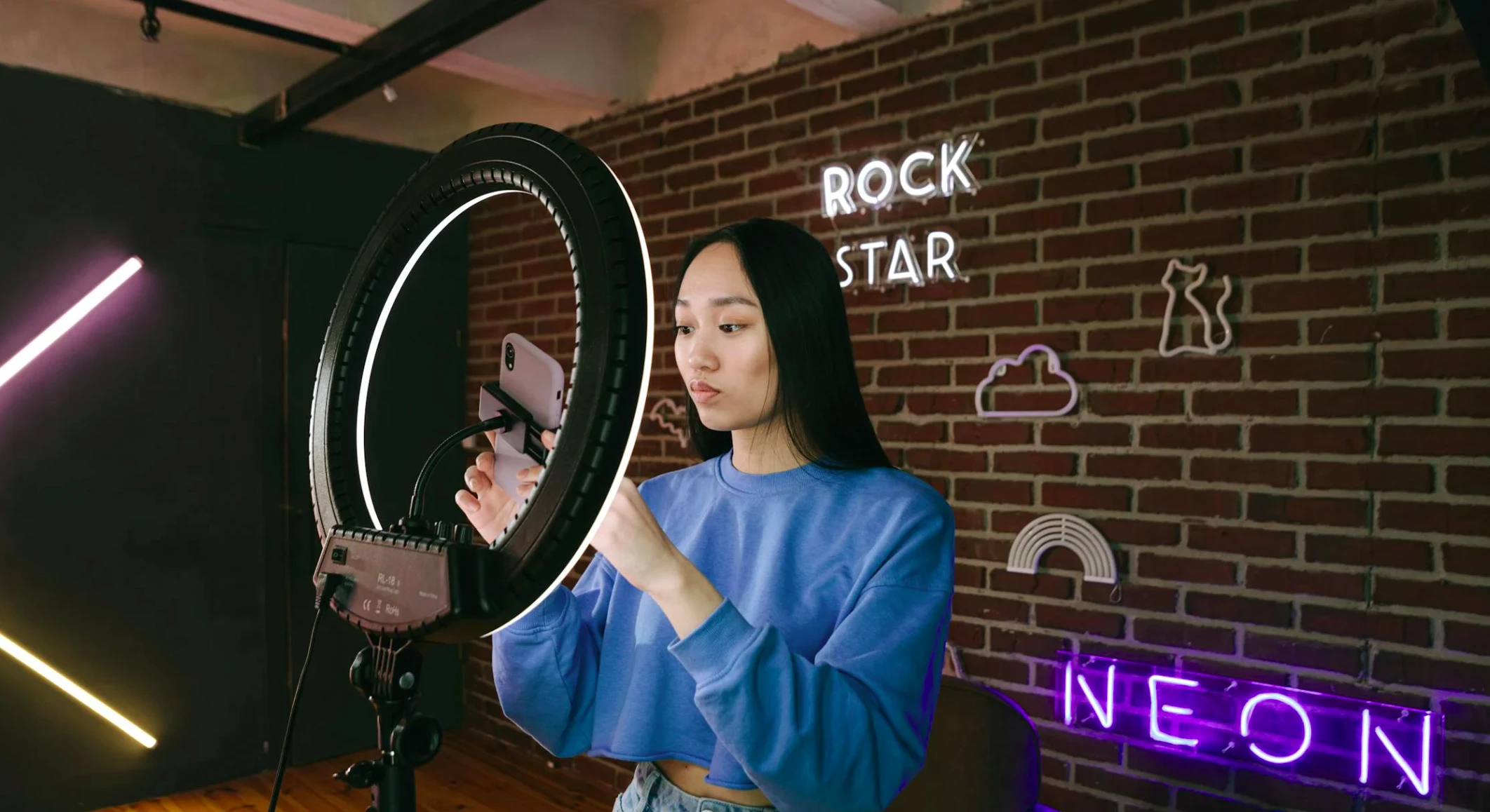
One of the most common formats is sponsored gameplay. Creators play the game in real time, often during a live stream, and share their first impressions as they go.
This format works because it is transparent. Viewers can see how the game performs, how it feels to play, and how the creator reacts without heavy editing. It creates a more realistic expectation compared to traditional ads.
Early Access and Exclusive Previews
Providing early access to selected creators is often used before launch. It allows them to explore the game and share content ahead of its release.
This builds anticipation and creates a sense of exclusivity. When audiences see a game before it becomes widely available, interest tends to grow, especially if multiple creators cover it at the same time.
Challenges and In-Game Events
Campaigns can also be structured around challenges or events. These encourage both creators and their audiences to participate, rather than just watch.
For example, creators might compete in specific tasks, complete in-game objectives, or invite their audience to join. This increases interaction and keeps the game visible over a longer period.
Affiliate and Download Campaigns
For performance-focused campaigns, affiliate links or tracking codes are commonly used. These allow brands to connect influencer activity with installs or purchases.
This approach makes results easier to measure. It also gives creators an incentive to promote the game more actively, since their performance is directly tied to outcomes.
How to Structure a Gaming Influencer Campaign
A structured approach helps avoid wasted effort and unclear results. In gaming, campaigns perform best when the goal, content format, and tracking are aligned from the start.
Define Clear Goals
The first step is deciding what success looks like. Different goals require different types of creators and content.
- Installs focus on driving downloads or purchases
- Engagement focuses on visibility, views, and interaction
- Retention focuses on keeping players active after launch
Trying to achieve all three at once often leads to weak results. It is more effective to prioritize one main objective per campaign.
Create Simple Briefs
A clear but flexible brief helps creators produce better content. Overly detailed instructions can limit authenticity, while vague briefs lead to inconsistency.
- Define the key message and what should be highlighted
- Specify the gameplay elements to focus on
- Allow creative freedom so content feels natural to the audience
The goal is to guide the content without controlling it completely.
Track Performance Properly
Without proper tracking, it is difficult to understand what worked and what should be improved.
- Monitor clicks and traffic from influencer content
- Track installs or purchases when possible
- Review engagement metrics such as watch time, likes, and comments
Over time, coordinating creators and tracking results can become difficult to handle manually. Tools like an influencer marketing platform for gaming help organize campaigns in a more structured and manageable way.
Common Mistakes in Gaming Influencer Marketing
Even though influencer marketing is widely used in gaming, many campaigns fail to deliver results due to avoidable mistakes. These issues usually come from poor alignment between the game, the creators, and the overall strategy.
- Choosing influencers without audience fit: One of the most common mistakes is selecting creators based on size rather than relevance. A large audience does not guarantee interest in your game. If the creator’s content, style, or audience does not match the genre, engagement will be low and conversions even lower.
- Treating campaigns as one-time promotions: Many brands run a single campaign and expect immediate results. In gaming, this rarely works. Players often need repeated exposure before they decide to try a game. Ongoing collaborations build familiarity and trust, which leads to better long-term performance.
- Ignoring community engagement: Gaming is strongly community-driven. Focusing only on content without engaging with the audience limits the impact. Comments, discussions, and shared experiences are part of how games spread. Without this interaction, campaigns remain passive and less effective.
- Focusing only on views instead of conversions: High view counts can be misleading. A video may perform well in terms of reach but fail to drive installs or active players. What matters is how the audience responds, not just how many people see the content.
- Over-controlling the content: Giving creators strict instructions often leads to unnatural content. Gaming audiences quickly recognize when something feels forced. Allowing creators to present the game in their own style usually leads to better engagement and trust.
- Poor timing of campaigns: Running campaigns too early or too late in the game lifecycle reduces effectiveness. Without proper timing, even strong content may fail to generate momentum.
Most of these mistakes come from focusing on short-term visibility instead of long-term player engagement. A more structured and consistent approach usually leads to better results.
Conclusion
Influencer marketing in the gaming industry is not just a promotional channel, but part of how players discover and evaluate games. The most effective strategies focus on alignment between the game, the creator, and the audience, rather than reach alone. Campaigns that show real gameplay, follow the right timing, and build ongoing relationships tend to perform more consistently.
Success in this space comes from structure and patience. Clear goals, well-chosen creators, and consistent execution make a larger difference than short bursts of visibility. When influencer marketing is treated as a long-term effort rather than a one-time push, it becomes a reliable way to support both growth and player retention.
Want to publish a guest post on aamax.co?
Place an order for a guest post or link insertion today.
Place an Order