

How Is Orm Different From SEO Quizlet
Two Disciplines That Are Often Confused
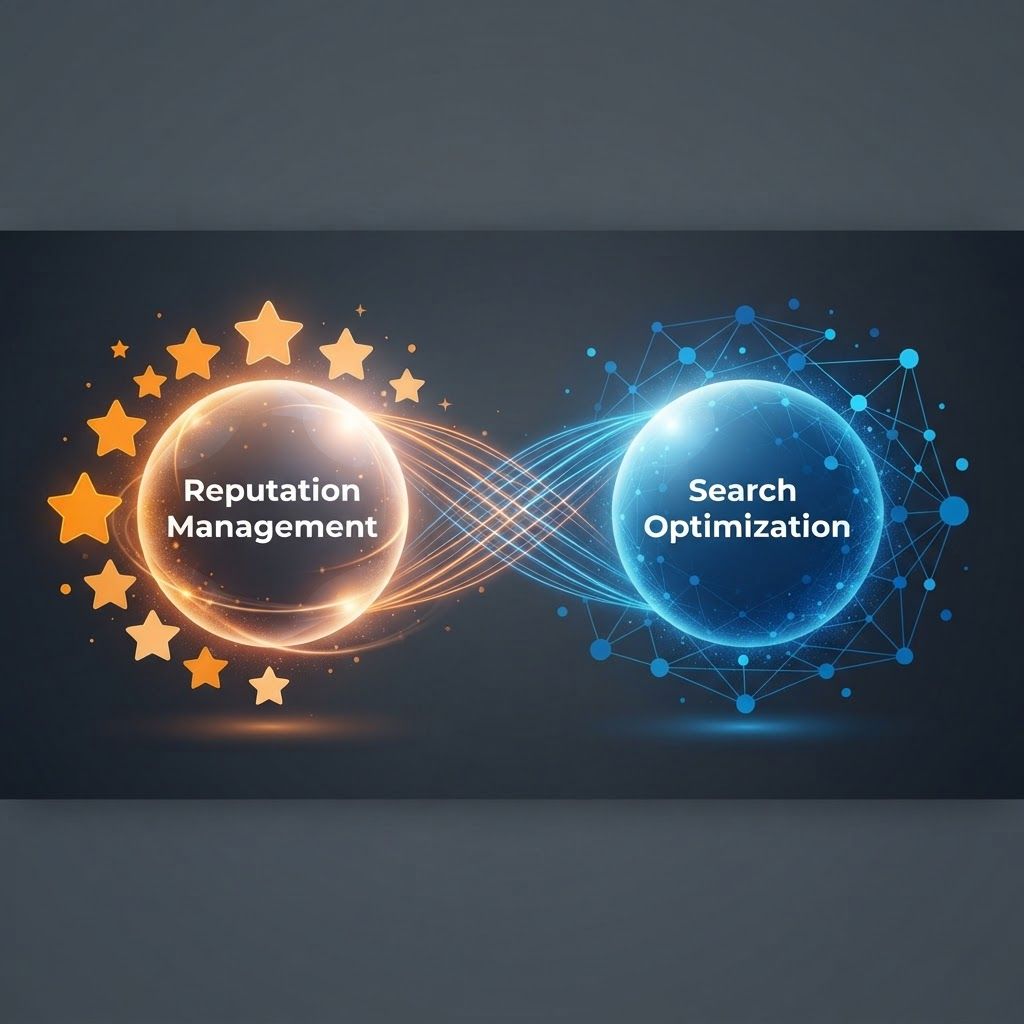
Online reputation management and search engine optimization are frequently studied side by side, which is why the comparison appears so often in study sets and revision material. The confusion is understandable because both operate on search results, both involve content, and both care about what appears when someone looks up a term related to your business. Yet their goals differ fundamentally, and treating them as interchangeable leads to strategies that fail at both.
SEO is about visibility and traffic. Its purpose is to make your pages rank for the queries your potential customers use, so that qualified people arrive on your site. ORM is about perception. Its purpose is to shape what people encounter and believe when they investigate your brand, whether that happens in search results, on review platforms, in social conversations or in AI-generated summaries. One grows demand capture; the other protects trust.
How AAMAX.CO Can Help With Your SEO
At AAMAX.CO we help brands run both disciplines in a coordinated way rather than in isolation. We are a full service digital marketing company providing web development, digital marketing and SEO services worldwide, and our work regularly spans visibility and perception because they influence each other directly. Our search engine optimization programmes build the rankings that bring qualified visitors, while our broader digital marketing capability strengthens the review profiles, brand content and owned properties that determine what people believe when they research you.
Different Objectives, Different Success Metrics
SEO is measured with metrics tied to acquisition: organic sessions, keyword rankings, impressions, click-through rate, indexed pages, Core Web Vitals and organic conversions. Progress means more of the right people finding you through non-branded queries and converting once they arrive.
ORM is measured with metrics tied to sentiment and trust: average review rating, review volume and recency, share of positive versus negative results on the first page for brand queries, response rate to complaints, and brand sentiment across platforms. A successful ORM programme might not increase traffic at all; its win condition is that someone researching your brand comes away confident enough to proceed.
Different Target Queries
This is the clearest practical distinction. SEO targets non-branded, problem-oriented and category queries: people searching for a solution who do not yet know your name. ORM concentrates on branded queries: your company name, your name plus reviews, complaints, scam, alternatives, or the names of your executives. Those searches happen late in the buying process, often minutes before a decision, which makes them disproportionately valuable.
Both matter, but they require different content. SEO needs guides, comparisons, category pages and product content optimised for discovery. ORM needs credible owned properties, healthy review profiles, positive press, active professional profiles and clear, honest responses to criticism.
Different Tactics in Practice
SEO tactics include keyword and intent research, technical optimisation for crawling and speed, content creation organised into topical clusters, internal linking, structured data and earning authoritative backlinks. The work is largely proactive and compounding.
ORM tactics include monitoring mentions across the web, actively requesting reviews from satisfied customers, responding professionally to negative feedback, publishing and optimising owned assets so they occupy the brand results page, building relationships with journalists and industry publications, and occasionally pursuing removal of genuinely defamatory or policy-violating content. Much of ORM is reactive and continuous rather than compounding.
Where the Two Overlap
The overlap is significant and this is why they are so often conflated. Both rely on ranking content, so ORM uses SEO techniques to push favourable material into visible positions and outrank unfavourable material. Both benefit from strong owned properties and authoritative backlinks. Both are affected by technical health, because a slow or poorly structured site limits how well any content performs.
Reputation also influences SEO outcomes indirectly. Brands with strong reputations earn more links, more direct traffic and more branded searches, all of which correlate with better organic performance. Conversely, negative results on brand queries can suppress click-through even when your rankings for commercial terms are excellent, because prospects research you before converting. Investing in one while neglecting the other leaves value on the table.
Choosing Where to Focus
If nobody knows you exist, SEO is the priority. Without visibility for non-branded queries, there is no pipeline to protect. Focus on technical foundations, topical content coverage and the commercial pages that convert.
If you already receive strong branded search volume but conversion is weaker than expected, ORM likely deserves attention. Search your own brand terms in a clean browser and look honestly at what a prospect sees. If negative reviews, outdated information, a competitor comparison page or an unfavourable forum thread dominates, that is your bottleneck regardless of how well your other rankings perform.
Practical Steps for Both
For SEO, audit indexing and speed, research the questions your customers ask, build topical clusters that answer them, optimise titles and headings for clarity, and earn links through genuinely useful assets. Track non-branded organic traffic as your primary indicator of progress.
For ORM, claim and complete every relevant business profile and review platform, implement a consistent process for requesting reviews after positive interactions, respond to all reviews including negative ones with specifics rather than templates, publish authoritative owned content that ranks for your brand terms, and set up alerts so you learn about problems within hours instead of weeks.
Final Thoughts
ORM differs from SEO in objective, target queries, tactics and measurement: SEO exists to make you visible and drive qualified traffic, while ORM exists to ensure that what people find about you supports their decision to trust you. They share tools and reinforce each other, but they answer different business questions and should be resourced accordingly. If you want a single team to build your organic visibility and protect the perception that converts it into revenue, we can design and run both sides of that strategy for you.
Want to publish a guest post on aamax.co?
Place an order for a guest post or link insertion today.
Place an Order