

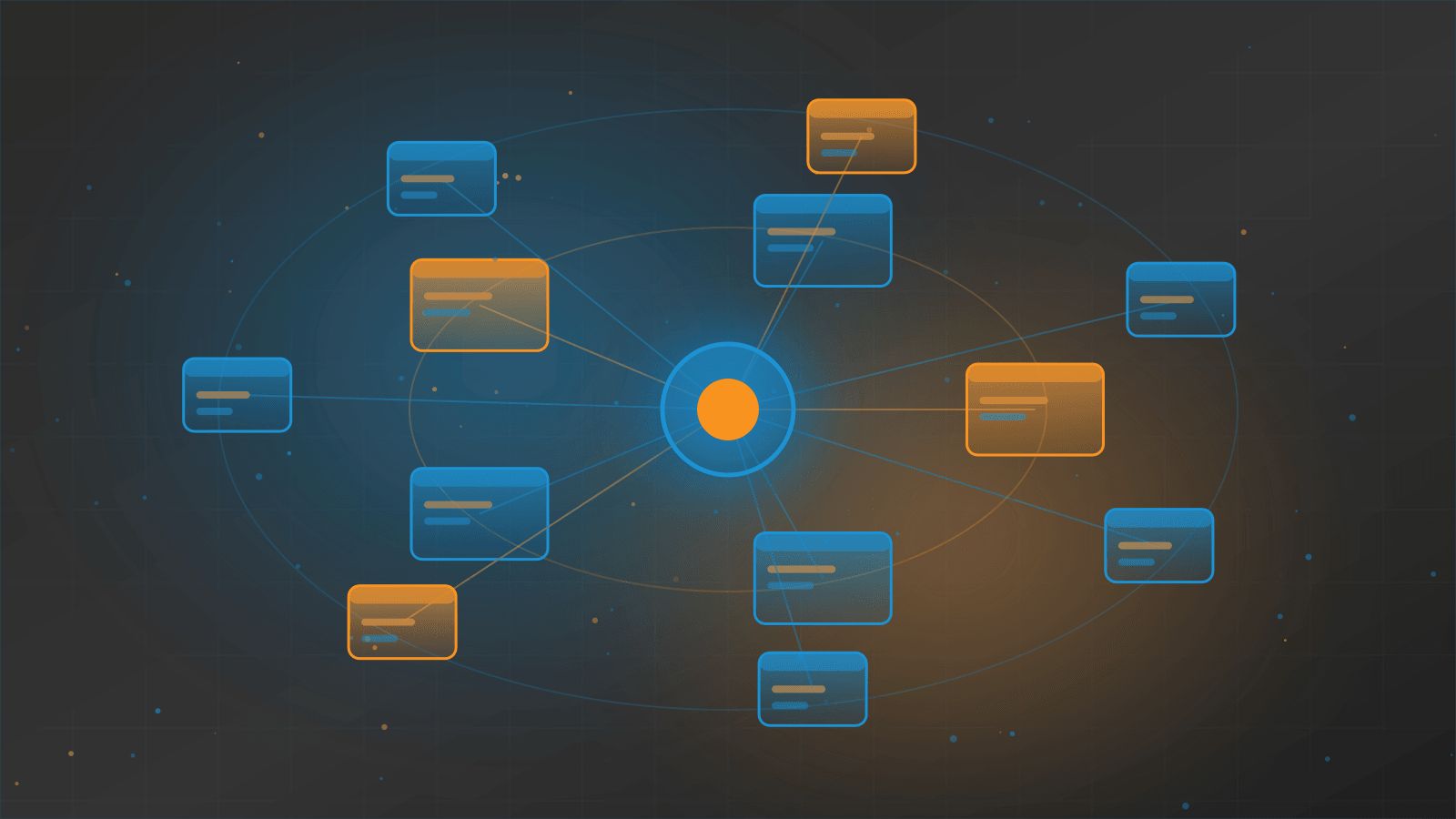
How Agencies Manage Multi Site SEO
Optimising one website is a craft. Optimising forty websites at once is an operations problem. Agencies that manage multi site SEO successfully are not simply working harder than everyone else, they have built repeatable systems that turn a chaotic collection of domains, platforms, stakeholders and reporting requirements into a predictable delivery process. Whether the portfolio belongs to one enterprise with many regional properties, a franchise network, a multi brand group or a roster of separate clients, the underlying challenges are remarkably similar: limited attention, inconsistent implementation and the constant risk that a change on one site quietly breaks another.
The first thing experienced teams do is stop treating each site as a bespoke project. They build a shared operating model. That means a standard audit framework applied to every property, a common taxonomy for issues and priorities, a shared library of fixes and templates, and a single source of truth for status. Without that standardisation, every site becomes dependent on the individual who happens to know it, and knowledge disappears the moment that person moves on.
How We Manage SEO Across Large Portfolios
Scaling delivery without diluting quality is exactly the problem AAMAX.CO was built to solve. We are a full service digital marketing company providing web development, digital marketing and SEO services worldwide, and we run multi site programmes using standardised audit templates, centralised tracking, shared implementation playbooks and consolidated reporting that lets stakeholders compare properties on the same terms. Our developers and strategists work from the same backlog, so recommendations get implemented rather than archived. If you are responsible for many domains and struggling to keep them all healthy, hire AAMAX.CO for SEO services and we will bring structure to the whole portfolio.
Portfolio Segmentation And Prioritisation
Not every site deserves equal attention, and pretending otherwise guarantees that the most valuable properties get underserved. Effective agencies segment portfolios by commercial value, growth potential and current health. A high revenue site with strong authority and a technical debt problem gets a different plan from a small regional site that simply needs content and local signals.
Prioritisation then happens at two levels. Across sites, effort flows to where incremental improvement produces the largest business impact. Within each site, issues are ranked by potential traffic effect against implementation cost, so quick structural wins ship before speculative long term projects. This dual layer approach prevents the common failure mode where teams spend months perfecting a low value property because its problems were easier to understand.
Standardised Audits And Issue Libraries
A repeatable audit is the backbone of multi site work. It covers crawlability and indexation, site architecture and internal linking, page experience and performance, structured data, content coverage against target intent, authority profile and local or international signals where relevant. Because the framework is identical across sites, findings become comparable, patterns emerge across the portfolio and fixes can be templated.
Alongside the audit sits an issue library: for each recognised problem, a documented explanation, a recommended fix, the implementation steps for each common platform in the portfolio and the expected impact. When the same duplicate content pattern appears on the ninth site, nobody has to rediscover the solution. This is how agencies compress delivery time without cutting corners.
Governance, Templates And Guardrails
Multi site programmes fail most often at the implementation stage, not the analysis stage. Different development teams, content managers and platforms apply recommendations inconsistently, and improvements decay. The answer is governance. Establish templates for titles, metadata, heading structure and structured data at the template level rather than page by page, so a single change propagates across thousands of URLs. Define guardrails that specify what teams must never do, such as launching a new subfolder without a crawl plan or changing URL structures without redirect mapping.
Cross site risks need explicit management too. Internal linking between owned properties, duplicated content across regional variants, canonical conflicts, shared boilerplate and cannibalisation between similar pages on different domains all require deliberate rules. So does hreflang for international portfolios, where a single misconfiguration can undermine every localised version simultaneously.
Tooling And Centralised Reporting
At scale, tooling stops being optional. Agencies run scheduled crawls with alerting so regressions are caught within days rather than quarters, aggregate search console and analytics data into one warehouse, and build dashboards that let a stakeholder see portfolio health at a glance and drill into any single site. Rank tracking is grouped by intent cluster rather than vanity terms, and reporting focuses on business outcomes such as qualified organic sessions, conversions and revenue rather than raw keyword counts.
Automation handles the repetitive layer: monitoring status codes, detecting missing metadata, flagging orphaned pages, watching performance metrics and validating structured data. That frees strategists to spend their time on judgement work, which is where a broader digital marketing perspective adds the most value.
Content And Authority At Scale
Content across many sites needs a coordinated plan or the portfolio ends up competing with itself. Map each site to distinct audiences, intents or geographies, then assign topic ownership accordingly. Build shared editorial standards, briefs and quality checks so output stays consistent even with many writers. Where sites serve genuinely different markets, localise properly rather than translating mechanically.
Authority building also benefits from central coordination. Digital PR, original research and partnership outreach can be planned once and directed to whichever property needs the lift most. As AI answer engines become a larger share of discovery, portfolios that publish clearly structured, genuinely useful, citable content gain an advantage, which is why GEO services are increasingly part of multi site planning rather than an afterthought.
Communication And Accountability
Finally, multi site SEO is a stakeholder management discipline. Many properties mean many owners, each convinced their site should be first in the queue. Agencies handle this with transparent prioritisation criteria, regular portfolio reviews, clear ownership of every action item and honest reporting that shows what shipped, what did not and why. When stakeholders can see the logic, disagreement becomes discussion rather than escalation.
Final Thoughts
Managing SEO across many sites is less about clever tactics and more about disciplined systems: standardised audits, a reusable issue library, template level implementation, strong governance, centralised monitoring and honest prioritisation. Build those foundations and each additional site adds incremental effort rather than exponential chaos. Skip them and even a talented team will spend its days firefighting instead of growing the portfolio.
Want to publish a guest post on aamax.co?
Place an order for a guest post or link insertion today.
Place an Order