

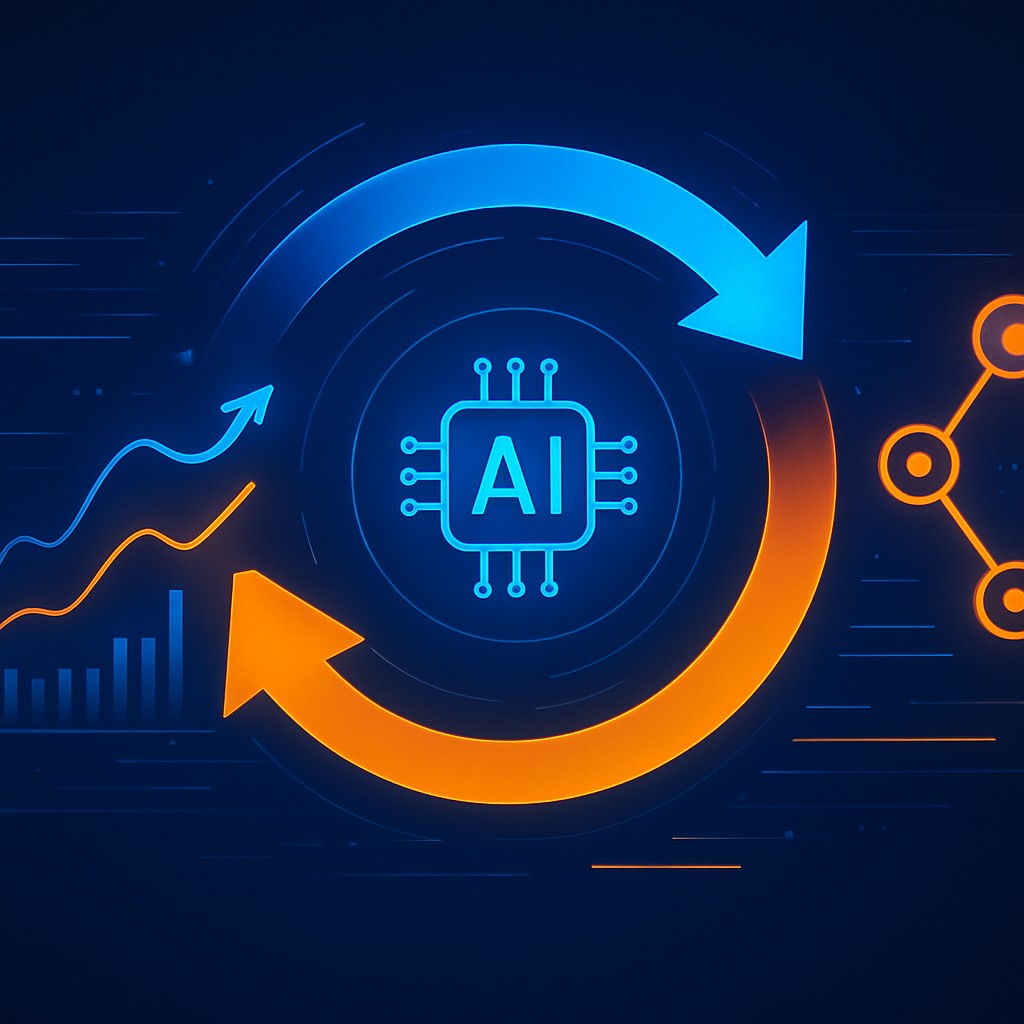
Does Hubspot Use AI for Continuous Marketing Optimization
The best marketing programs are never finished; they continuously improve. So does HubSpot use AI for continuous marketing optimization? Yes. HubSpot leverages AI to analyze performance, recommend improvements, automate testing, and adapt campaigns in real time. The result is a marketing engine that learns from every interaction and steadily gets better, provided it is guided by clear goals and human oversight.
How We Can Help at AAMAX.CO
At AAMAX.CO, we help businesses build self-improving marketing systems on top of HubSpot's AI. As a worldwide full-service digital marketing company, we set up the testing frameworks, dashboards, and optimization loops that turn data into continuous gains. Our digital marketing team ensures your campaigns keep getting stronger month after month.
AI-Driven Analytics and Insights
HubSpot's AI continuously monitors campaign data, identifying trends, anomalies, and opportunities that humans might miss. Instead of waiting for a monthly review, marketers receive ongoing insights and recommendations, enabling faster, more informed adjustments. This real-time intelligence is the foundation of continuous optimization.
Automated Testing and Experimentation
Optimization depends on testing. HubSpot supports AI-assisted A/B testing for emails, landing pages, and subject lines, helping you quickly identify what performs best. By systematically testing variations and applying the winners, your campaigns improve incrementally and predictably over time.
Adaptive Campaigns
AI-enhanced automation lets campaigns adapt as they run. Workflows respond to real-time behavior, reallocating attention toward what works and away from what does not. This adaptability means campaigns optimize themselves continuously rather than remaining static until the next manual revision.
Predictive Recommendations
HubSpot's AI does not just report on the past; it predicts and recommends. It can suggest which content to create, which segments to target, and where to focus budget based on forecasted outcomes. These recommendations help teams make proactive decisions that compound into long-term improvement.
Closing the Feedback Loop
Continuous optimization requires a closed loop between data, decisions, and action. HubSpot connects marketing activity to CRM outcomes, so you can see what truly drives revenue, not just engagement. Feeding these insights back into your strategy creates a cycle of ongoing refinement.
The Human Element
AI accelerates optimization, but it cannot set strategy or interpret context on its own. Human marketers must define goals, judge quality, and make creative decisions. The strongest results come from combining AI's analytical speed with human insight, and from supporting campaigns with solid search engine optimization so there is consistent, qualified traffic to optimize against.
Building a Culture of Optimization
Technology enables continuous optimization, but culture sustains it. Teams that embrace experimentation, welcome data-driven feedback, and are willing to change course outperform those that treat campaigns as fixed. HubSpot's AI provides the insights, but it is the team's mindset that turns those insights into action. Fostering a test-and-learn culture is what unlocks compounding improvement over time.
Prioritizing the Right Optimizations
Not all improvements are equal. AI can surface dozens of potential changes, but focusing on those with the greatest impact is essential. Prioritize optimizations that affect revenue-driving metrics like conversion rate and customer acquisition cost over minor cosmetic tweaks. This discipline ensures your optimization efforts translate into meaningful business results rather than busywork.
Connecting Optimization to Revenue
The ultimate measure of optimization is its effect on the bottom line. By tying every test and adjustment back to revenue outcomes through HubSpot's CRM integration, you can prove the value of your efforts and justify continued investment. This revenue-focused view keeps optimization grounded in what matters most and prevents teams from chasing vanity improvements.
Avoiding Optimization Traps
Continuous optimization is powerful, but it has pitfalls. Over-testing minor variations, reacting to insignificant data, or constantly changing course can create churn without real gains. Effective optimization requires statistical patience, letting tests run long enough to produce reliable results, and a focus on changes that genuinely move the needle. It also means resisting the urge to optimize purely for short-term metrics at the expense of brand and long-term value. By approaching optimization with discipline and a clear hierarchy of priorities, you ensure that HubSpot's AI-driven insights translate into steady, meaningful improvement rather than restless, unproductive tinkering.
Turning Insights Into Action
Insights only create value when they lead to action. Many teams collect data and recommendations but fail to implement changes consistently. The organizations that benefit most from AI-driven optimization build clear processes for reviewing insights, deciding what to test, and executing improvements on a regular cadence. Assigning ownership, setting review rhythms, and documenting what you learn ensures the steady stream of AI recommendations actually translates into better campaigns. This bridge between insight and action is what separates teams that talk about optimization from those that genuinely achieve continuous, compounding growth.
The Bottom Line
HubSpot does use AI for continuous marketing optimization through analytics, automated testing, adaptive campaigns, and predictive recommendations. The platform enables a marketing system that improves itself over time. To unlock that potential, you need clear goals and expert oversight, which is exactly what we provide for clients around the world.
Want to publish a guest post on aamax.co?
Place an order for a guest post or link insertion today.
Place an Order