

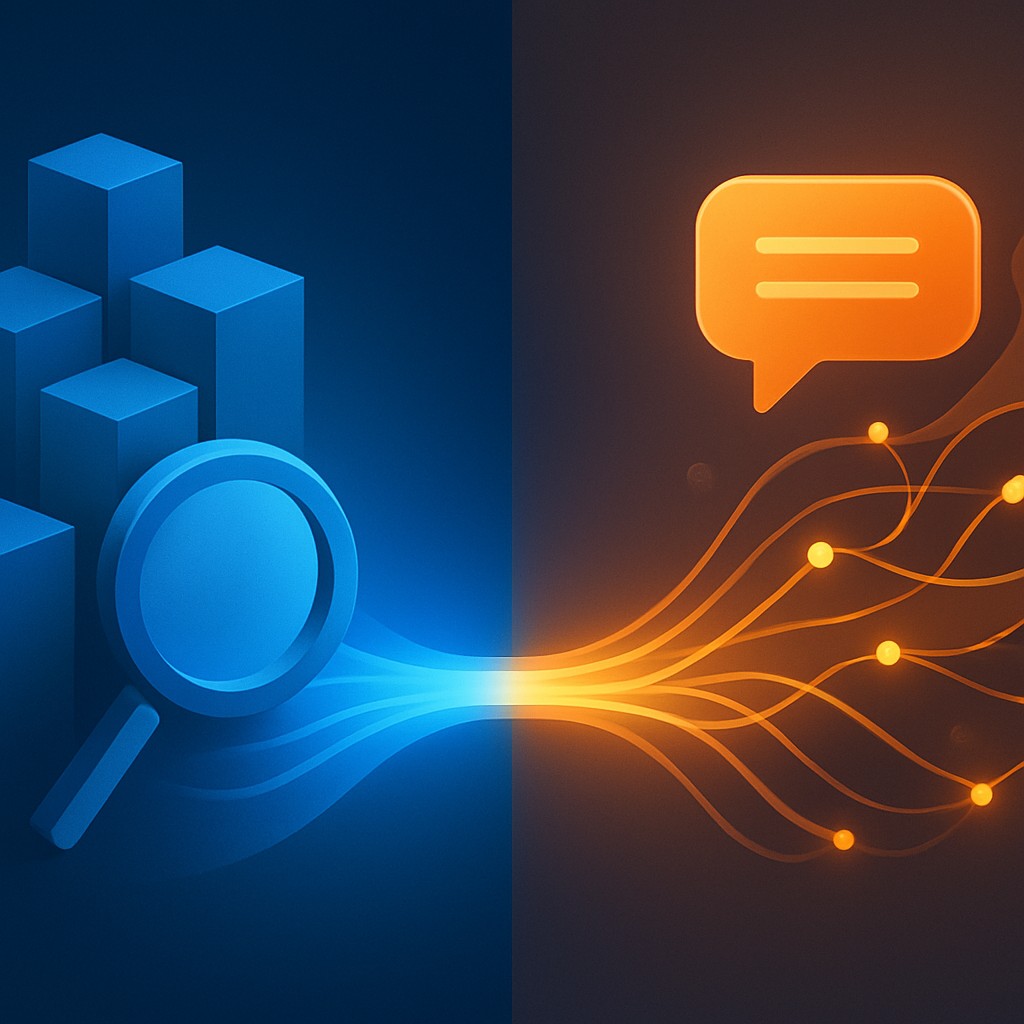
What's the Difference Between Traditional SEO and AI Search Optimization
Search engine optimization has been a cornerstone of digital marketing for decades, built around ranking high in a list of links for targeted keywords. But the rise of AI-powered search and conversational assistants is changing how people find information. Instead of clicking through results, users increasingly receive synthesized answers from AI systems. This shift has given rise to AI search optimization, a discipline focused on being cited and recommended by AI rather than simply ranking. Understanding the difference between traditional SEO and AI search optimization is essential for building a strategy that keeps you visible as search evolves.
How We at AAMAX.CO Bridge Traditional and AI Search
At AAMAX.CO, we help businesses worldwide succeed across both traditional and AI-driven search. As a full-service digital marketing company, we combine proven search engine optimization with forward-looking AI optimization strategies. This ensures your brand ranks in search results today while also being surfaced by the AI assistants shaping the future of discovery.
How Traditional SEO Works
Traditional SEO focuses on helping web pages rank highly in search engine results pages. It revolves around keyword research, on-page optimization, technical health, backlinks, and content quality. The goal is to earn a top position so users click through to your site. Success is measured by rankings, organic traffic, and click-through rates. Traditional SEO assumes the user will browse a list of results and choose where to go.
How AI Search Optimization Works
AI search optimization, sometimes called generative engine optimization, focuses on being the source that AI systems draw from when generating answers. Instead of competing for a clickable position, you compete to be understood, trusted, and cited by large language models and AI assistants. Success is measured by how often your brand is referenced in AI responses, mentioned in conversational search, and recommended by AI tools. The user may never see a list of links at all.
Keywords Versus Questions and Context
Traditional SEO is heavily keyword-driven, targeting specific search terms. AI search optimization is more about context, intent, and natural language. AI systems interpret full questions and value content that comprehensively answers them. This means writing conversationally, covering topics in depth, and anticipating the follow-up questions users might ask, rather than optimizing narrowly around exact-match keywords.
Ranking Versus Citation
The biggest conceptual difference is ranking versus citation. In traditional SEO, you want to rank above competitors. In AI search optimization, you want to be the trusted source an AI cites in its answer. Being cited depends heavily on authority, accuracy, and clarity. A page that ranks well may not be cited by AI, and a frequently cited source may not always rank first, which is why both strategies are needed.
The Role of Structure and Machine Readability
Both disciplines value structure, but AI search optimization places even greater emphasis on machine readability. Clear headings, concise answers, structured data, and logical organization help AI parse and extract your content accurately. While traditional SEO benefits from structure too, AI systems rely on it heavily to understand and summarize your content for inclusion in answers.
Authority and Trust in Both Worlds
Authority matters in both traditional and AI search, but it manifests differently. Traditional SEO builds authority largely through backlinks. AI systems consider a broader picture, including mentions across reputable sources, demonstrated expertise, and factual accuracy. Building genuine authority and trust benefits both, making it a smart investment regardless of how search evolves.
Why You Need Both Strategies
Traditional SEO and AI search optimization are not mutually exclusive; they are complementary. Many of the fundamentals overlap, including quality content, strong technical performance, and authority. The difference lies in how you structure, frame, and distribute your content to serve both ranked results and AI-generated answers. Abandoning traditional SEO would be a mistake, as would ignoring the rise of AI search. The smart approach is to do both.
Future-Proofing Your Search Strategy
As AI search continues to grow, the brands that adapt early will earn a lasting advantage. By understanding the differences between traditional SEO and AI search optimization, and by building a strategy that addresses both, you ensure your brand stays discoverable no matter how people choose to search. Partnering with experts who understand this evolving landscape helps you navigate the transition smoothly and capture visibility across every channel that matters.
Want to publish a guest post on aamax.co?
Place an order for a guest post or link insertion today.
Place an Order