

Will AI Take Over Marketing Jobs
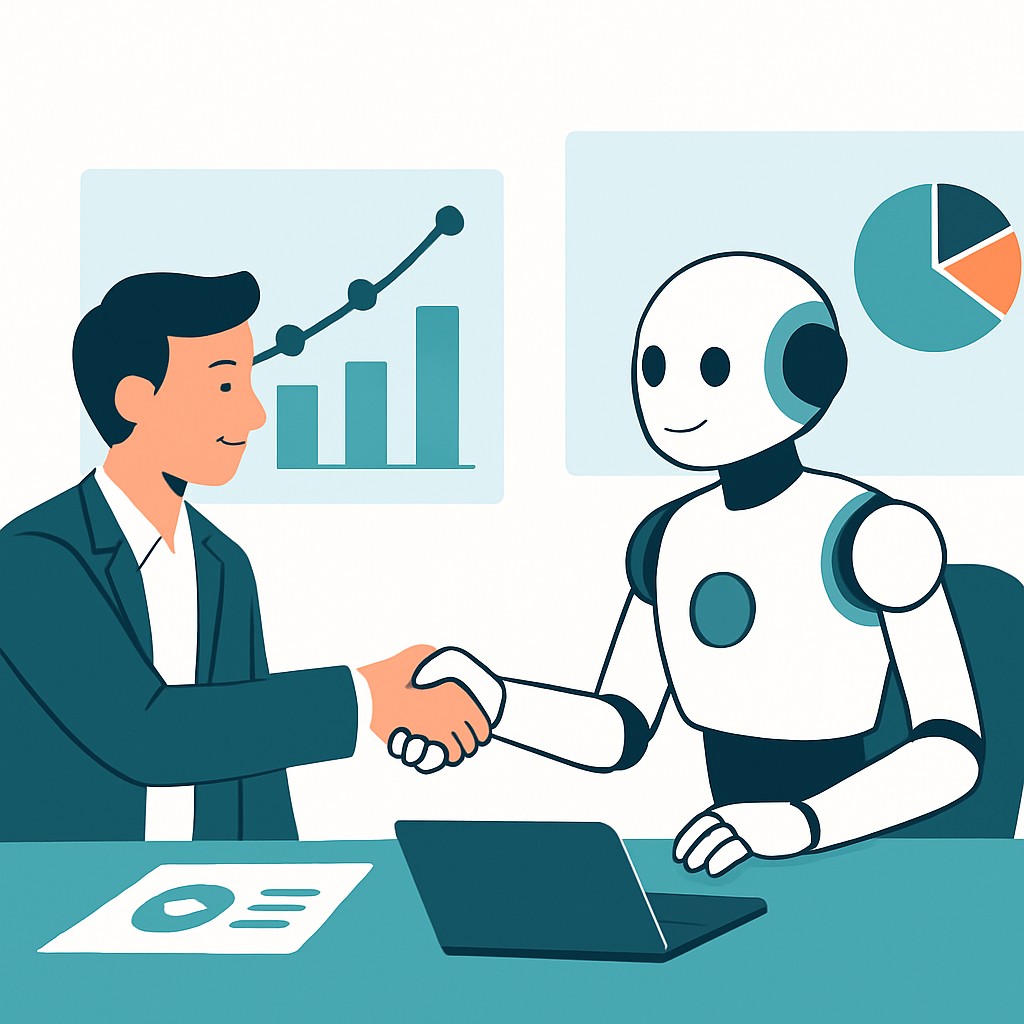
The question of whether AI will take over marketing jobs sparks both excitement and anxiety. The honest answer is nuanced: AI is automating many tasks, but it is also creating new roles and elevating the value of distinctly human skills. Rather than wholesale replacement, we are witnessing a redefinition of what marketers do every day. Understanding this shift helps professionals adapt and thrive instead of fearing obsolescence.
How We Can Help at AAMAX.CO
At AAMAX.CO, we believe AI works best alongside skilled people. Our worldwide team pairs intelligent tools with human expertise to deliver digital marketing that performs. If your organization wants to adopt AI while keeping the strategic and creative strengths of your team intact, we can help you strike that balance.
What AI Does Well
AI excels at tasks that are repetitive, data-heavy, or require rapid processing. It can analyze large datasets, automate reporting, optimize ad bids, generate content drafts, and personalize messages at scale. These capabilities reduce manual workload and accelerate execution, freeing marketers from time-consuming chores that once consumed much of their day.
What Still Requires Humans
Despite its power, AI lacks genuine creativity, emotional intelligence, and strategic judgment. Crafting a brand story that resonates, understanding cultural nuance, building authentic relationships, and making high-stakes strategic decisions all rely on human insight. AI can support these activities, but it cannot originate the empathy and vision that make marketing truly compelling.
The Rise of New Roles
As AI handles routine work, new opportunities emerge. Roles like AI prompt strategist, marketing automation specialist, and data storyteller are growing in demand. Marketers who learn to direct AI tools, interpret their outputs, and integrate them into strategy become more valuable, not less. Technology shifts the nature of work rather than eliminating the need for skilled people.
How Roles Are Evolving
The marketer of the future spends less time on manual execution and more on strategy, creativity, and oversight. Instead of building every report by hand, they interpret AI-generated insights and decide how to act. Instead of writing every word from scratch, they guide, edit, and elevate AI drafts. This evolution rewards adaptability and higher-order thinking.
Skills That Future-Proof Your Career
To stay relevant, marketers should develop AI literacy, strategic thinking, creativity, and strong communication. Learning how to collaborate with AI tools, validate their outputs, and apply human judgment is essential. Soft skills like empathy, leadership, and storytelling become differentiators that no algorithm can replicate.
Balancing Automation and Authenticity
While automation boosts efficiency, audiences still crave authenticity. Over-reliance on AI can produce generic, soulless marketing that fails to connect. The most successful teams use AI to handle scale and speed while preserving the human touch that builds trust and loyalty. This balance is where lasting competitive advantage lives.
What History Teaches Us
Every major technological shift has sparked fears of mass job loss, yet history shows that technology tends to transform work rather than eliminate it entirely. The internet, search engines, and social media all reshaped marketing, creating new specialties and demand for new skills. AI follows the same pattern. Roles evolve, certain tasks disappear, and entirely new opportunities emerge. Marketers who view AI through this historical lens can approach it with confidence rather than fear, focusing on adaptation instead of anxiety.
How Organizations Should Respond
Companies have a responsibility to help their teams adapt rather than simply cutting roles. Forward-thinking organizations invest in training, encourage experimentation, and redefine roles to emphasize strategy and creativity. By empowering employees to work effectively with AI, businesses retain valuable institutional knowledge and build a workforce that is both efficient and innovative. This human-centered approach to AI adoption produces better outcomes than treating automation purely as a cost-cutting measure.
Practical Steps to Stay Relevant
If you want to future-proof your marketing career, take deliberate action now. Start by experimenting with AI tools in your daily work to understand their strengths and limitations firsthand. Invest time in learning the fundamentals of how AI works, even at a basic level, so you can direct it effectively. Build a portfolio that showcases your strategic thinking and creativity, not just your execution. Seek out projects that combine human insight with AI assistance, and document the results. Networking with others exploring AI in marketing also accelerates your learning. These steps position you as someone who leads change rather than fears it, making you increasingly valuable as the field evolves.
Conclusion
AI will not take over marketing jobs entirely, but it will transform them. The professionals who embrace AI as a collaborator, sharpen their uniquely human skills, and adapt to evolving roles will flourish. The marketers who thrive in the years ahead will be those who view AI not as a threat to be feared but as an opportunity to grow, contribute more strategically, and deliver greater value than ever before. If you want help integrating AI into your marketing while empowering your team, our experts are ready to guide you forward.
Want to publish a guest post on aamax.co?
Place an order for a guest post or link insertion today.
Place an Order