

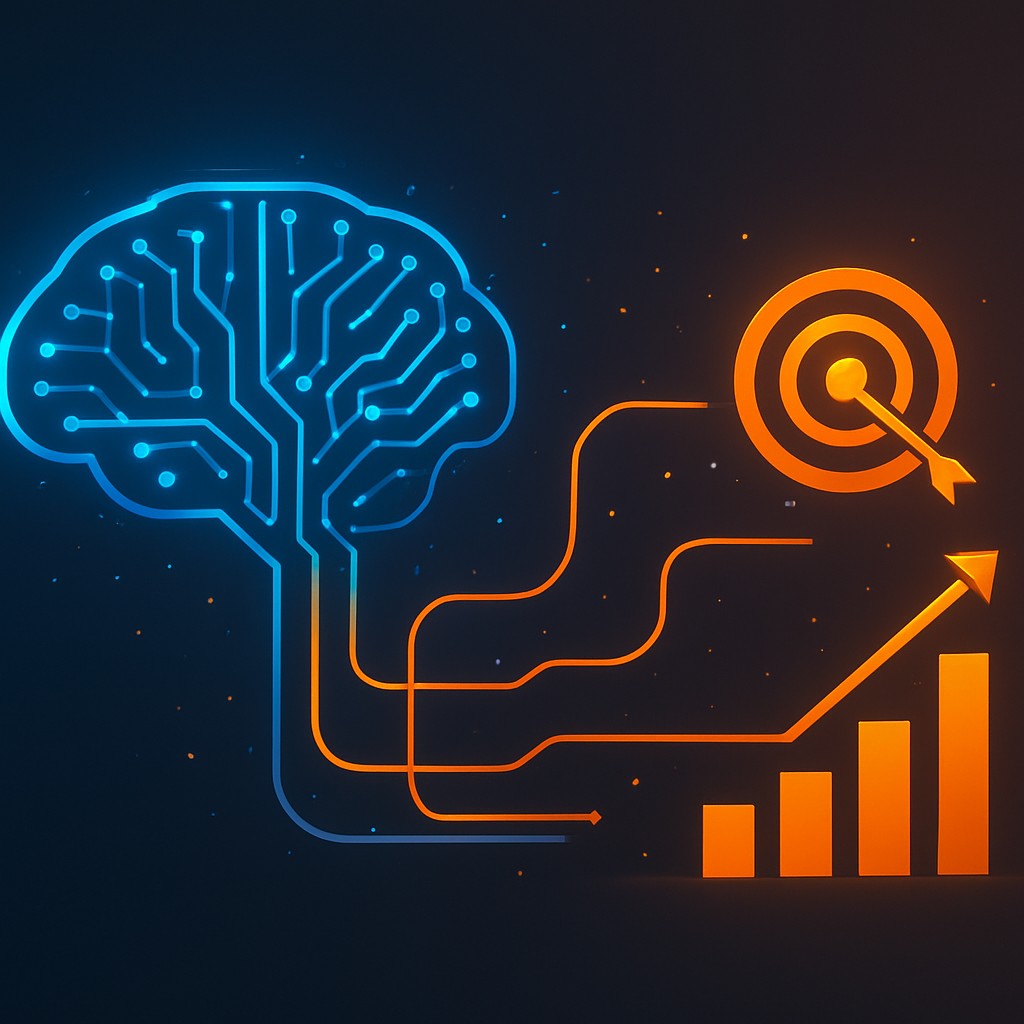
Which AI Is Best for Marketing Strategy
Marketing strategy is fundamentally about making smart choices: who to target, how to position, where to invest, and what message will resonate. Artificial intelligence can powerfully support each of these decisions, but it is important to understand what AI does well and where human judgment remains essential. The question of which AI is best for marketing strategy is really a question about how to combine machine intelligence with human insight to make better strategic decisions.
What AI Brings to Strategy
AI excels at the analytical foundations of strategy. It can segment audiences with precision, identify emerging trends, analyze competitor activity, and forecast the likely outcomes of different approaches. It can also test messaging at scale and reveal which positioning resonates with which segments. This gives strategists a far richer, more current evidence base than was ever possible before, reducing guesswork and sharpening focus.
How We Build AI-Informed Strategies
At AAMAX.CO, we build marketing strategies that pair AI-driven insight with deep human experience for clients around the world. As a full-service digital marketing company, we use AI to inform our digital marketing decisions, then apply creativity, brand understanding, and strategic judgment to turn data into a plan that actually moves the business. Strategy is where AI and human expertise must work together, and that combination is exactly what we deliver.
Where AI Falls Short
For all its power, AI cannot replace strategic judgment. It does not understand your brand's deeper purpose, the emotional truth of your customers, or the bold creative leaps that define category-leading positioning. AI optimizes within the patterns it has seen; genuine strategic breakthroughs often require breaking patterns. Relying on AI alone tends to produce safe, generic strategy. The best results come when humans set direction and use AI to inform and refine it.
Practical Uses of AI in Strategy
In practice, AI supports strategy in several ways. It powers audience research and segmentation, helping you understand who to target and why. It enables rapid concept and message testing before major investment. It provides competitive intelligence to identify gaps and opportunities. And it supports scenario planning by forecasting potential outcomes. Used across these areas, AI makes the strategy process faster, more evidence-based, and more responsive to change.
Integrating Strategy and Execution
A strategy is only as good as its execution. One advantage of AI is that it tightens the loop between planning and doing, allowing strategies to be tested, measured, and refined continuously rather than set once and forgotten. This requires connecting strategic insight to execution channels, including strong search engine optimization and content, so that strategy translates into visibility, engagement, and conversion in the real world.
Choosing Your Approach
Rather than seeking a single best AI for strategy, focus on building a process that uses AI for research, testing, and measurement while keeping humans in charge of vision and creativity. Choose tools that integrate with your systems, provide transparent insights, and support rather than dictate decisions. The organizations that win are those that treat AI as a strategic advisor, not a strategic replacement.
Conclusion
The best AI for marketing strategy is one that strengthens human decision-making rather than replacing it, supporting research, testing, competitive analysis, and forecasting while leaving vision and creativity to people. Integrate AI thoughtfully and connect it to execution to see real results. If you want a marketing strategy that blends AI intelligence with human expertise, our team is ready to build it with you.
Want to publish a guest post on aamax.co?
Place an order for a guest post or link insertion today.
Place an Order