

What Is AI Web Scraping
Understanding AI Web Scraping
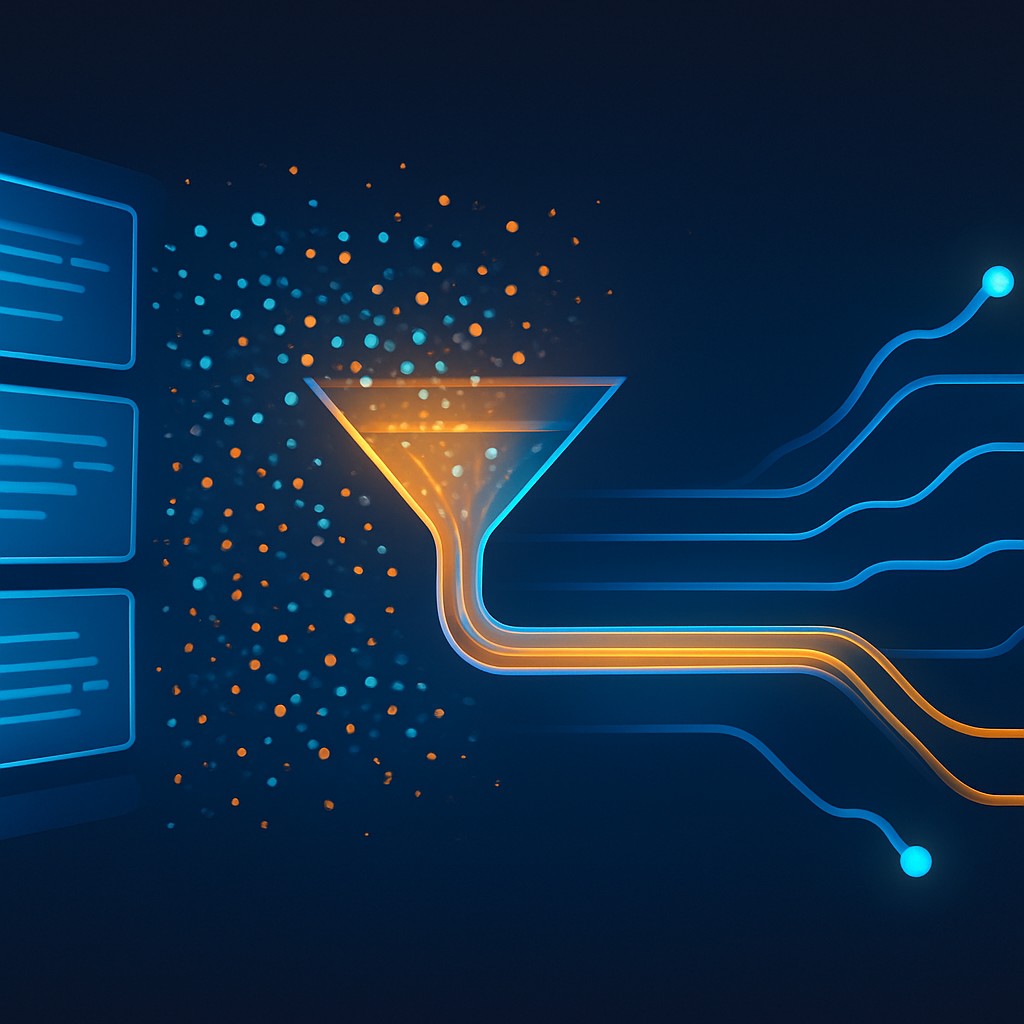
AI web scraping is the practice of using artificial intelligence to automatically extract data from websites and convert it into structured, usable information. Traditional web scraping relies on rigid rules that break whenever a website changes its layout. AI web scraping, by contrast, uses machine learning and natural language processing to understand page content more flexibly, adapting to changes and extracting meaningful data even from complex or inconsistent sources. This makes data collection faster, more reliable, and more scalable than ever before.
Businesses use web scraping to gather information such as pricing, product details, market trends, reviews, and contact data. By adding artificial intelligence, the process becomes smarter and less brittle, capable of handling the messy, ever-changing nature of the modern web.
Build Smart Data Solutions With AAMAX.CO
At AAMAX.CO, we build custom data and automation solutions that help businesses collect and use web data responsibly and effectively. As a full-service digital marketing company with strong website development expertise, we create intelligent tools that gather, structure, and integrate the data you need to make better decisions. Operating worldwide, our team combines technical skill with strategic insight to turn raw web data into a genuine business advantage. Whether you need market intelligence or automated data pipelines, we can build a solution tailored to your goals.
How AI Improves Web Scraping
The key advantage of AI in web scraping is adaptability. Traditional scrapers depend on specific page structures, so a small website change can break them entirely. AI-powered scrapers use machine learning to recognize the type of content they are looking for, such as a price or a product name, regardless of exactly where it sits on the page. Natural language processing helps interpret unstructured text, while computer vision can even read data from images. This intelligence dramatically reduces maintenance and improves accuracy.
Common Use Cases
AI web scraping serves many business purposes. E-commerce companies monitor competitor pricing and product availability to stay competitive. Marketers track brand mentions, reviews, and sentiment across the web. Researchers gather large datasets for analysis. Recruiters and sales teams collect publicly available contact information for outreach. Financial firms aggregate news and market data for decision-making. In each case, AI web scraping automates the collection of information that would be impossibly tedious to gather by hand.
The Technology Behind It
AI web scraping combines several technologies. Automated browsers navigate websites and render pages just as a human visitor would. Machine learning models identify and extract the relevant data fields. Natural language processing structures and interprets text. Some systems use large language models to understand context and handle ambiguous content. The extracted data is then cleaned, organized, and delivered in a usable format such as a spreadsheet or database. This pipeline transforms scattered web content into structured intelligence.
Legal and Ethical Considerations
While web scraping is a powerful tool, it must be used responsibly. Website terms of service, copyright laws, and data privacy regulations all govern what data can be collected and how it can be used. Ethical scraping respects these rules, avoids overloading websites with excessive requests, and steers clear of collecting personal or sensitive information without proper consent. Businesses should always understand the legal landscape and prioritize compliance to avoid reputational and legal risks.
Best Practices for AI Web Scraping
To scrape effectively and responsibly, follow several best practices. Respect website rules and rate limits to avoid causing harm. Focus on collecting only the data you genuinely need. Keep your tools updated and monitor data quality to ensure accuracy. Store collected data securely and use it in compliance with applicable laws. Finally, consider whether official data sources or partnerships might serve your needs better than scraping. A thoughtful, ethical approach ensures that web scraping remains a sustainable and valuable practice.
Conclusion
AI web scraping has made automated data collection more powerful, flexible, and reliable than traditional methods. By understanding content rather than just following rigid rules, AI-powered scrapers adapt to the ever-changing web and deliver high-quality structured data. From pricing intelligence to market research, the applications are vast and valuable. When used responsibly and in compliance with legal and ethical standards, AI web scraping can give businesses a significant edge by turning the vast information of the web into actionable insight.
Want to publish a guest post on aamax.co?
Place an order for a guest post or link insertion today.
Place an Order