

Web Design Phases
Overview of Web Design Phases
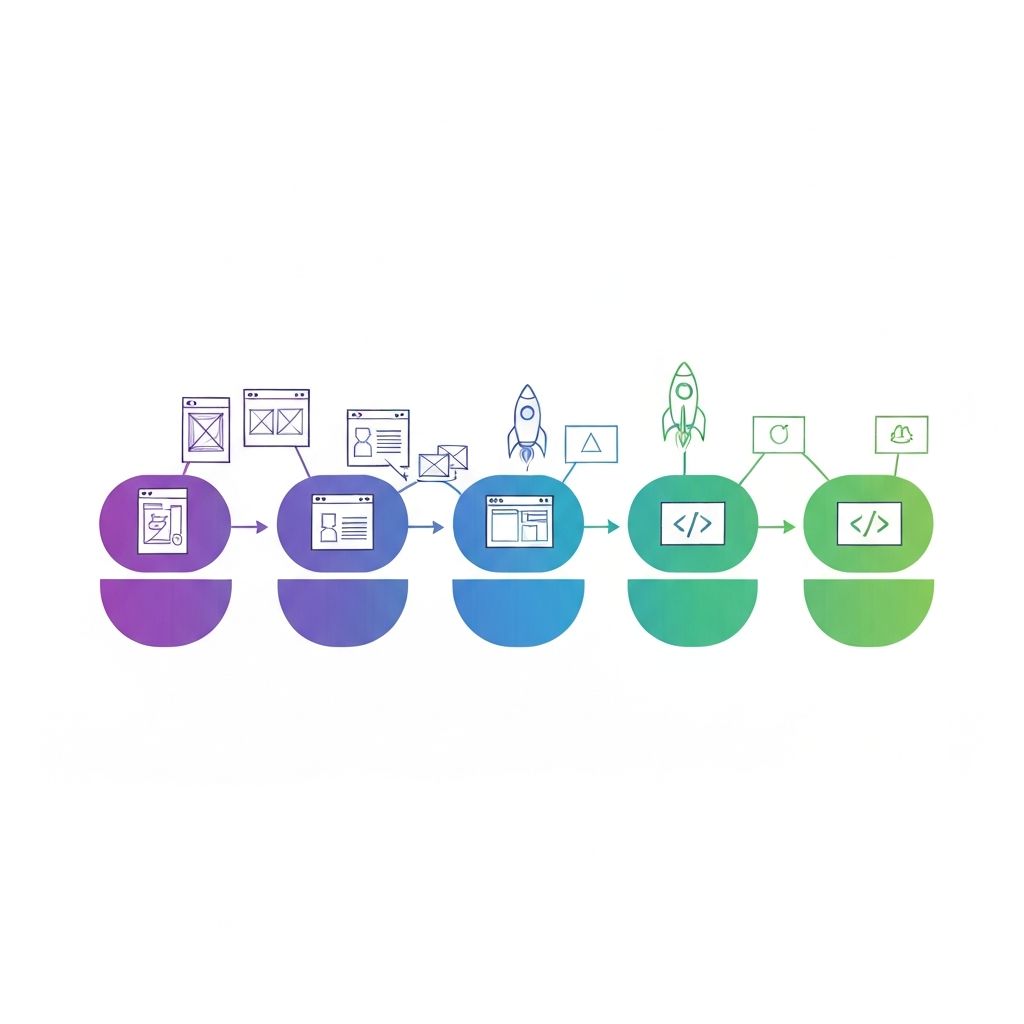
Professional web design follows structured phases that ensure successful outcomes. Understanding these phases helps clients participate effectively in the process and sets realistic expectations for timelines and involvement. At AAMAX.CO, we guide clients through each phase with clear communication and defined deliverables.
While specific approaches vary between agencies and projects, most web design projects progress through discovery, planning, design, development, testing, launch, and maintenance phases. Each phase builds on previous work and prepares for subsequent stages.
Phase 1: Discovery and Research
The discovery phase establishes project foundations through research and information gathering. Understanding business goals, target audiences, competitor landscapes, and technical requirements shapes all subsequent decisions.
Stakeholder interviews uncover business objectives, brand values, and success metrics. What should the website achieve? Who are the primary users? What differentiates the business from competitors? These questions inform strategy.
Competitive analysis examines what others in the industry are doing well and poorly. Understanding the competitive landscape helps position the new website effectively and identify opportunities for differentiation.
Technical discovery assesses existing systems, integration requirements, and constraints. What platforms need to connect with the website? Are there legacy systems to consider? Technical realities shape what's possible within project parameters.
Phase 2: Strategy and Planning
Planning transforms discovery insights into actionable project plans. This phase produces documentation that guides subsequent design and development work.
Site architecture defines the structure and organization of website content. Information architecture decisions determine how users navigate and find information. Sitemaps visualize the planned structure.
Content strategy identifies what content the site needs, who creates it, and how it's organized. Content requirements often drive design decisions and timeline considerations.
Our web development consulting services provide thorough planning that sets projects up for success.
Phase 3: Wireframing and Prototyping
Wireframes are skeletal layouts showing page structure without visual design details. They focus on content hierarchy, functionality placement, and user flow without the distraction of colors, images, or typography.
Low-fidelity wireframes using simple boxes and placeholder text enable rapid iteration on structure. These quick sketches facilitate early feedback before investing in detailed design work.
High-fidelity wireframes add more detail while still omitting final visual design. Interactive prototypes simulate user experiences, allowing testing of navigation and functionality before development begins.
Wireframe approval ensures alignment on structure before moving to visual design. Changes at this stage are much less costly than changes after design or development.
Phase 4: Visual Design
Visual design applies branding, aesthetics, and creative direction to approved wireframes. This phase transforms functional structures into visually compelling designs.
Style exploration might involve mood boards, style tiles, or multiple design directions. Exploring options before committing to a direction ensures the final design resonates with stakeholders.
Our website design process emphasizes collaborative design development that captures brand essence while serving user needs.
Page designs show how visual styling applies to specific pages. Key templates—home page, interior pages, special sections—demonstrate the design system in context.
Design systems documentation ensures consistency across the site. Color palettes, typography scales, component libraries, and design patterns guide development and future updates.
Phase 5: Content Creation
Content development often runs parallel to design work. Copy, images, videos, and other media need preparation before development can complete.
Copywriting creates the text content that populates the site. Professional copy supports SEO goals while communicating effectively with target audiences. Content should be ready before development needs it.
Image and media production prepares visual assets for the site. Photography, video production, illustration, and graphic creation all fall within this phase.
Content loading into the content management system often happens during or after development, depending on workflow. Template completion enables content population.
Phase 6: Development
Development transforms approved designs into functional websites. This technical phase brings visual designs to life with code.
Front-end development creates the user-facing elements users see and interact with. HTML, CSS, and JavaScript translate designs into browser-displayable code. Our front-end web development expertise ensures pixel-perfect implementation.
Back-end development builds server-side functionality, databases, and integrations. Our back-end web development creates the infrastructure supporting website functionality.
Content management system implementation enables client content updates. Platform selection—WordPress, Strapi, or custom solutions—depends on project requirements.
Integration development connects the website with external systems. Payment processors, CRM systems, marketing platforms, and other tools require technical integration.
Phase 7: Testing and Quality Assurance
Testing ensures the website functions correctly across browsers, devices, and use cases. Quality assurance catches issues before they reach live audiences.
Functionality testing verifies that all features work as intended. Forms submit correctly, navigation functions properly, and interactive elements respond appropriately.
Cross-browser and device testing confirms consistent experiences across different platforms. What works in Chrome might break in Safari; what looks good on desktop might fail on mobile. Comprehensive testing catches these issues.
Performance testing measures loading speed, server response times, and resource optimization. Fast-loading websites improve user experience and search rankings.
Accessibility testing ensures the site works for users with disabilities. Screen reader compatibility, keyboard navigation, and WCAG compliance matter for inclusive design.
Phase 8: Launch
Launch transitions the website from development environment to live production. This phase requires careful coordination to minimize disruption.
Pre-launch checklist review ensures nothing is forgotten. SEO elements, analytics tracking, security configurations, and content accuracy all need verification before going live.
DNS and hosting configuration points the domain to new hosting and deploys the site. Technical coordination ensures smooth transition without extended downtime.
Post-launch monitoring watches for issues in the live environment. Problems that didn't appear in testing might emerge under real-world conditions. Quick response addresses issues promptly.
Phase 9: Post-Launch Support and Optimization
Website launch isn't the end—it's the beginning of ongoing evolution. Post-launch phases ensure continued success and improvement.
Our website maintenance and support services provide ongoing attention websites need to remain secure, fast, and effective.
Performance monitoring tracks site speed, uptime, and user behavior. Analytics reveal how visitors interact with the site and where improvements would have the most impact.
Iterative improvement applies insights from analytics and user feedback. Websites should evolve based on evidence, not assumptions. Continuous optimization improves results over time.
Managing Phase Transitions
Clear phase gates with defined deliverables and approval requirements keep projects on track. Each phase should complete before the next begins, though some overlap is natural.
Client involvement varies by phase. Discovery requires significant client input while development may need less. Understanding when participation is needed helps clients plan their involvement.
Timeline management accounts for dependencies between phases. Delays in content creation affect development schedules. Realistic planning acknowledges these relationships.
Conclusion: Process Drives Success
Structured phases transform chaotic projects into manageable progressions toward successful launches. Understanding the process helps clients participate effectively and set appropriate expectations.
At AAMAX.CO, as a full-service digital marketing company offering web development, digital marketing, and SEO services, we guide clients through proven processes that deliver results. Our phase-based approach ensures nothing falls through the cracks while keeping projects moving forward.
Ready to start your web design project with a team that understands process? Contact us today to discuss how our structured approach can deliver the website your business needs.
Want to publish a guest post on aamax.co?
Place an order for a guest post or link insertion today.
Place an Order