

Therapist Web Design
Why Therapists Need Specialized Web Design
Mental health professionals face unique web design challenges that require specialized expertise. People seeking therapy are often in vulnerable states, researching services during difficult times. Your website must create an immediate sense of safety, warmth, and competence that encourages potential clients to take the significant step of reaching out.
Unlike many service businesses where price and features drive decisions, therapy clients choose practitioners based on connection, trust, and feeling understood. Your website design must convey these qualities visually and through carefully crafted content that resonates with the people you serve.
Additionally, therapist websites must navigate regulatory considerations, maintain appropriate professional boundaries, and respect the sensitive nature of mental health services. Cookie-cutter web design approaches fail to address these specialized requirements effectively.
Creating a Welcoming Online Presence
First impressions matter enormously for therapist websites. Within seconds, visitors should feel that your practice is a safe, professional space where they could find help. At AAMAX.CO, we understand how to create these welcoming digital environments.
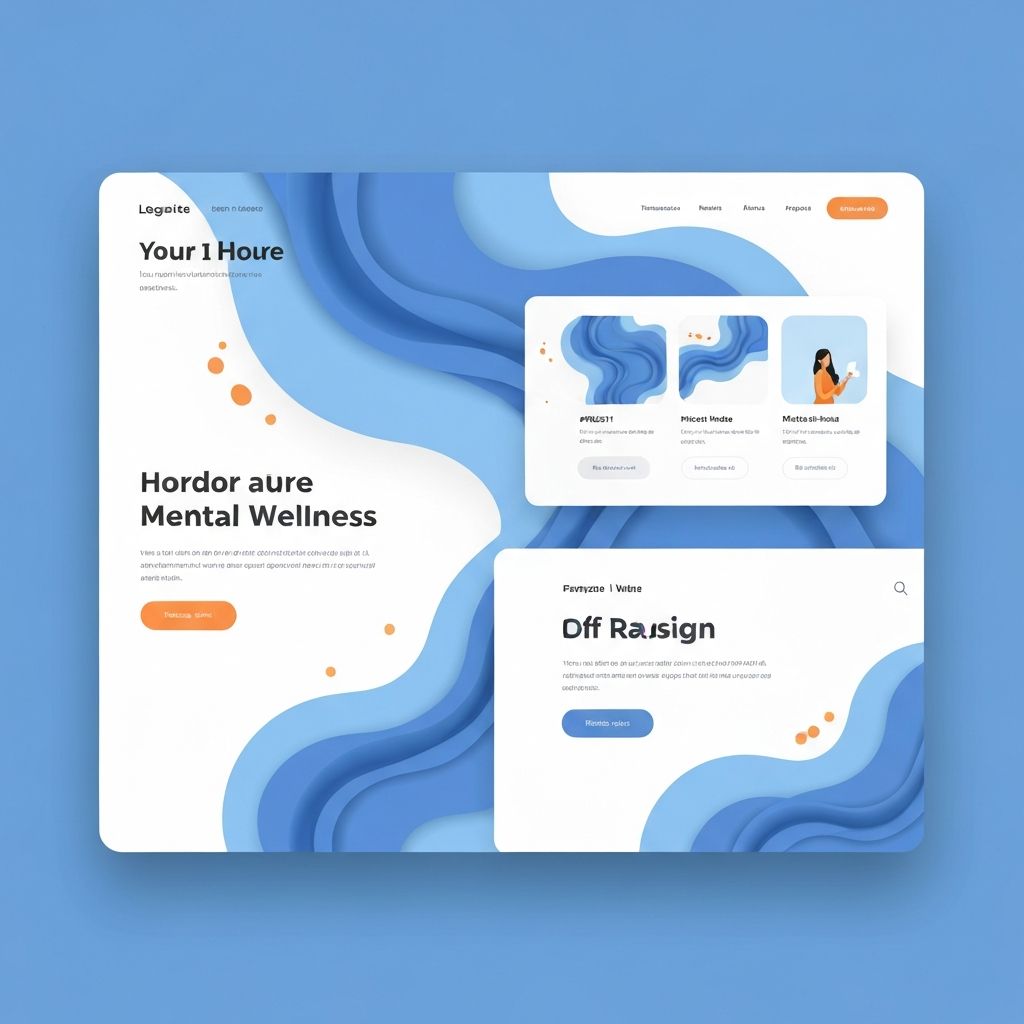
Color psychology plays a significant role in therapist web design. Calming colors like soft blues, greens, and warm neutrals create soothing impressions. Avoid harsh contrasts or jarring color combinations that might increase anxiety.
Imagery selection requires careful consideration. Professional photos of yourself and your office space help clients visualize meeting with you. Avoid generic stock photos that feel impersonal or images depicting obvious distress.
Typography choices affect readability and emotional response. Clean, readable fonts in appropriate sizes make content accessible while contributing to the overall calm aesthetic.
White space gives content room to breathe, preventing overwhelming visitors who may already feel stressed. Cluttered designs increase cognitive load—the opposite of what therapy-seekers need.
Essential Pages for Therapist Websites
Therapist websites need specific pages that address what potential clients want to know when evaluating practitioners.
An About page sharing your background, approach, and personality helps clients assess whether they'd feel comfortable working with you. Include your training, credentials, and therapeutic orientation, but also share appropriate personal elements that humanize you.
Services pages describe your specialties and the types of issues you help clients address. Potential clients search for practitioners with specific expertise—anxiety, depression, couples issues, trauma, etc.—so clearly articulate your areas of focus.
FAQ pages answer practical questions about therapy: What to expect in a first session? How long does therapy typically last? What are your fees? Do you accept insurance? Addressing these questions proactively removes barriers to inquiry.
Contact and scheduling pages make it easy for potential clients to reach you. Online scheduling options are increasingly expected and appreciated by clients who may find phone calls anxiety-inducing.
Our website design services create comprehensive therapist websites that convert visitors into clients.
Building Trust and Credibility
Trust is foundational to the therapeutic relationship, and your website must establish trust before clients ever meet you.
Professional credentials displayed prominently reassure visitors of your qualifications. License numbers, degrees, certifications, and professional memberships signal legitimacy and competence.
Testimonials from past clients (with appropriate consent and privacy protection) provide social proof. Testimonials for therapists differ from other services—they typically focus on the therapeutic experience and outcomes rather than specific presenting problems.
A professional photo helps clients feel they know you before meeting. Warm, approachable photos in appropriate settings create connection.
Clear policies regarding confidentiality, cancellations, and other practice matters demonstrate professionalism while setting appropriate expectations.
Addressing Client Concerns Through Content
Many people considering therapy have concerns and questions that content on your website can address, helping them feel more comfortable reaching out.
Normalizing the therapy process through educational content reduces stigma and anxiety. Blog posts or articles explaining what therapy involves, how it helps, and what to expect demystify the experience.
Information about your therapeutic approach helps clients understand how you work. Whether you practice CBT, psychodynamic therapy, EMDR, or another modality, explaining your approach helps clients assess fit.
Resources for common concerns demonstrate your expertise while providing value. Articles about managing anxiety, improving relationships, coping with grief, or other relevant topics attract search traffic and establish authority.
Crisis resources and appropriate disclaimers fulfill ethical obligations while directing those in immediate danger to appropriate help.
Privacy and Confidentiality Considerations
Therapist websites must address privacy more carefully than most business websites due to the sensitive nature of mental health services.
SSL encryption is non-negotiable. The padlock icon in browsers reassures visitors that their connection is secure—important when people may fear being "seen" seeking therapy.
Privacy policies should clearly explain how you handle website visitor data, contact form submissions, and any other information collected.
Online scheduling systems and contact forms should use secure, HIPAA-compliant services when possible.
Cookie policies and tracking disclosures help visitors understand how their activity might be recorded, addressing concerns about privacy that therapy-seekers often have.
Mobile-Friendly Design for Therapist Websites
Many people research therapists on their phones, perhaps during private moments when they can browse without others seeing. Mobile optimization is essential.
Responsive design ensures your website displays properly on phones and tablets. Text should be readable without zooming, buttons should be tap-friendly, and navigation should work smoothly.
Click-to-call functionality makes it easy for mobile visitors to call your office directly. One tap should initiate a call.
Mobile-friendly forms accommodate the limitations of small screens and touch input. Minimize required fields and ensure forms are easy to complete on phones.
Fast loading speeds prevent abandonment by visitors with slower mobile connections.
Our front-end web development team ensures therapist websites perform perfectly on all devices.
SEO for Therapist Practices
Search engine optimization helps potential clients find your practice when searching for therapy services in your area.
Local SEO is crucial since therapy typically requires in-person visits (though telehealth has expanded options). Optimize for searches like "therapist near me," "anxiety counseling [city name]," and similar local queries.
Google Business Profile optimization improves local visibility. Complete your profile fully, encourage reviews from appropriate sources, and keep information current.
Specialty-specific content helps you rank for specific issues you treat. Pages or blog posts addressing anxiety, depression, couples issues, trauma, and other specialties capture relevant searches.
Technical SEO ensures search engines can properly index your site. Fast loading, mobile-friendliness, and proper site structure all contribute to rankings.
Online Scheduling and Client Portals
Technology features can enhance the client experience while reducing administrative burden on your practice.
Online scheduling allows clients to book appointments without phone calls, which some find stressful. Systems like SimplePractice, TherapyNotes, and others integrate with therapist workflows.
Client portals provide secure spaces for paperwork, communication, and scheduling. These features improve efficiency while demonstrating technological competence.
Telehealth integration has become essential for many practices. Your website should clearly explain telehealth options and make accessing virtual sessions easy.
Our web application development services enable sophisticated practice management integrations.
Content Marketing for Therapists
Educational content attracts potential clients while demonstrating your expertise and approach.
Blog posts on mental health topics provide value while capturing search traffic. Write about issues your ideal clients face, offering insights that showcase your knowledge and perspective.
Resource pages collecting articles, worksheets, and recommendations serve as valuable references that visitors return to and share.
Email newsletters maintain connection with past visitors who may become clients when they're ready. Provide ongoing value through helpful content.
Video content, when comfortable, creates stronger connection than text alone. Brief videos introducing yourself or discussing topics help visitors feel they know you.
Avoiding Common Therapist Website Mistakes
Several common mistakes undermine therapist websites. Awareness helps you avoid these pitfalls.
Generic, impersonal content fails to differentiate your practice. Write in your own voice about your actual approach and philosophy.
Missing or insufficient contact information frustrates visitors ready to reach out. Make contacting you easy and obvious.
Outdated information creates impressions of neglect. Keep your website current with accurate hours, services, and other details.
Ignoring mobile users excludes a significant portion of your potential audience. Ensure your site works well on all devices.
Overwhelming visitors with too much content can increase anxiety. Keep your site focused and scannable.
Choosing the Right Therapist Web Design Partner
Selecting a web design company for your therapy practice requires evaluating specific factors.
Healthcare and mental health experience ensures your partner understands the unique requirements of therapist websites, including privacy considerations and appropriate tone.
Portfolio review reveals whether they create the warm, professional aesthetic therapy practices need. Evaluate their work critically from a client perspective.
Ongoing support capabilities ensure your website remains effective over time. Regular updates and maintenance keep your site performing well.
Understanding of your goals helps them create a site that serves your specific practice needs and client population.
Conclusion
Specialized therapist web design addresses the unique requirements of mental health practices—creating welcoming environments, building trust, maintaining appropriate privacy, and connecting with people during vulnerable moments.
Your website often provides the first impression that determines whether potential clients reach out. A professionally designed site that conveys warmth, competence, and safety encourages people to take that important first step toward getting help.
We understand the specialized needs of mental health professionals and create websites that help therapists connect with the clients who need them. Our website development team combines technical expertise with sensitivity to the therapeutic context. Contact us today to discuss your therapist web design project.
Want to publish a guest post on aamax.co?
Place an order for a guest post or link insertion today.
Place an Order