

Storyboarding Web Design
What Is Storyboarding in Web Design
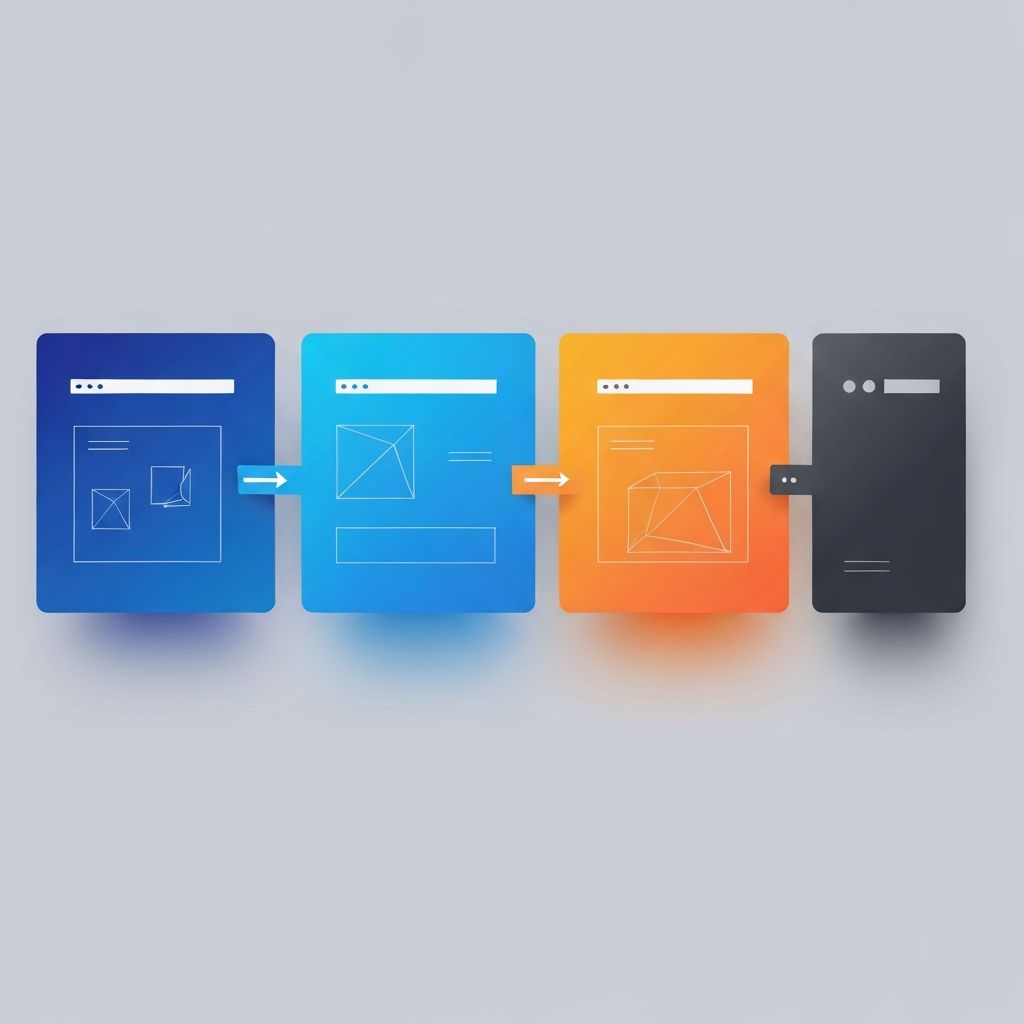
Storyboarding is a technique borrowed from film and animation, where each frame represents a moment in a story. In web design, a storyboard maps the journey a visitor takes through your site, frame by frame, from the first impression to the final conversion. It captures emotions, decisions, and interactions, not just screens.
At AAMAX.CO, we use storyboards on nearly every major project. They help our designers, developers, and clients align around the experience we are creating, before time and budget are committed to pixel-perfect mockups.
Why Storyboards Matter More Than Ever
Modern websites are no longer static brochures. They include scroll animations, micro-interactions, personalized content, and multi-step flows. A static wireframe cannot fully capture how these elements feel in motion. A storyboard can.
By thinking in scenes, we design sites that tell a clear story and guide users to the right action. This narrative approach is one of the reasons our website design projects consistently outperform generic templates.
Step 1: Define the Audience and Their Journey
Every storyboard starts with a protagonist. Who is visiting the site? What problem are they trying to solve? Where are they coming from, and what do they expect when they arrive?
We build user personas with goals, frustrations, and motivations. Then we map the journey, often starting before the visitor reaches the site, with a search query, a social ad, or a referral.
Step 2: Identify the Key Moments
Not every second on a website is equal. Some moments matter more, like the first hero section, the price reveal, or the checkout button. We identify these high-impact moments and dedicate storyboard frames to each one.
For each frame, we ask three questions. What does the user see? What do they feel? What do they do next?
Step 3: Sketch the Frames
With key moments defined, we sketch frames quickly, often by hand or with simple shapes in design tools. The goal is speed and clarity, not polish. A frame can be a rough drawing of a screen, a flow diagram, or even a few sentences describing the experience.
Sketching forces us to commit to ideas and reveals problems early, when they are cheap to fix.
Step 4: Add Emotional Beats and Micro-Copy
Great websites are not just functional, they are emotional. Storyboards let us plan emotional beats, such as a moment of trust after a testimonial, a moment of excitement when a value proposition is revealed, or a moment of relief when a user sees a clear pricing table.
We also draft micro-copy in this phase. The exact words on a button, a form label, or an empty state often determine whether a visitor takes action.
Step 5: Plan Animation and Interaction
Storyboards shine when planning motion. We use them to decide where animations are necessary and where they would distract. Hero sections, scroll-triggered reveals, and interactive product demos all benefit from being storyboarded before they are built.
This careful planning is especially important for our ReactJs web development projects, where rich interactions are part of the appeal.
Step 6: Validate With Stakeholders
Storyboards are easy to share and easy to discuss. We walk clients through each frame and ask, does this match the brand? Does it serve the user? Are we missing a step?
Feedback at this stage is fast and inexpensive to apply. Compare that to revising a fully designed mockup or a coded page, and the value of storyboarding becomes clear.
Step 7: Translate Into Wireframes and Designs
Once the storyboard is approved, our designers turn each frame into wireframes and high-fidelity mockups. Because the narrative is already locked, the visual design phase moves faster and stays consistent across pages.
Step 8: Build With Performance in Mind
Beautiful storyboards mean nothing if the final site is slow or buggy. Our developers translate animations and interactions into clean, performant code, leaning on modern frameworks. Visit our front-end web development page to see how we balance creativity and performance.
Common Storyboarding Mistakes to Avoid
Some teams over-design storyboards, spending weeks polishing frames that should be quick sketches. Others skip storyboarding entirely and jump into pixel-pushing, only to discover usability issues late in the process.
The sweet spot is fast, clear, and collaborative. The storyboard is a thinking tool, not a deliverable to admire.
How Storyboarding Improves Conversion
By focusing on the user journey, storyboards help us remove friction, sharpen messaging, and place calls to action exactly where they belong. The result is higher engagement, lower bounce rates, and better conversion rates. We have seen storyboard-driven redesigns lift form submissions by double-digit percentages.
Why Hire AAMAX.CO for Storyboarded Web Design
Our team blends storytelling, design, and engineering. We are a full-service digital partner offering web development, digital marketing, and SEO, which means your storyboard is not just a creative exercise. It is the blueprint for measurable business results.
If you want a website that feels like a journey rather than a brochure, hire AAMAX.CO. Our storyboarding process will give you clarity, alignment, and a final product that connects with your audience.
Conclusion
Storyboarding web design turns ideas into experiences. It aligns teams, reduces risk, and produces websites that are intuitive and persuasive. With AAMAX.CO as your partner, you get a process that respects both the craft and the goals of your business.
Want to publish a guest post on aamax.co?
Place an order for a guest post or link insertion today.
Place an Order