

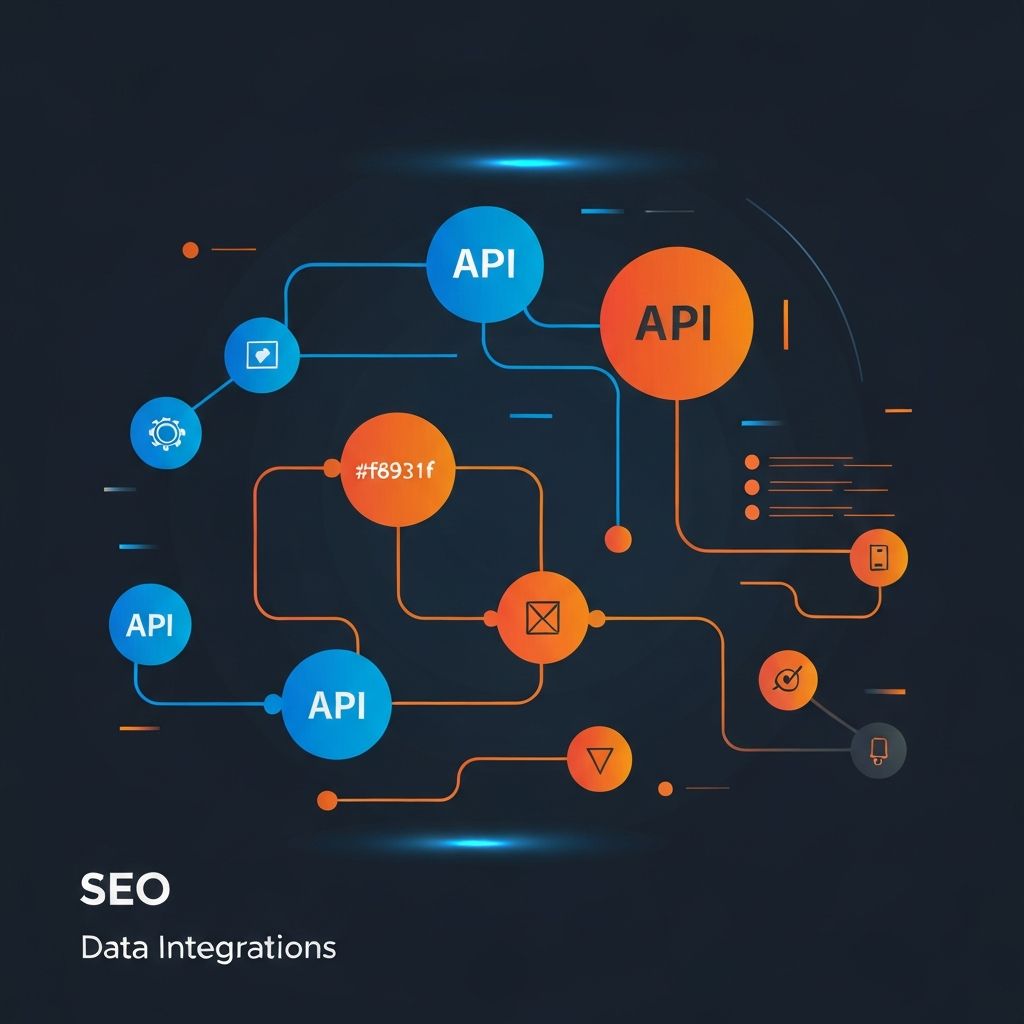
SEO Data Integrations
The Power of Integrated SEO Data
In the modern digital marketing ecosystem, data exists in silos across numerous platforms and tools. Search engine optimization generates valuable data about keyword performance, ranking positions, organic traffic patterns, and user behavior. However, the true power of this data emerges only when integrated with other business intelligence sources. SEO data integrations bridge these gaps, creating unified views that enable more sophisticated analysis and better-informed decision-making across organizations.
The complexity of contemporary SEO requires monitoring and analyzing data from multiple sources simultaneously. Google Search Console provides impression and click data, analytics platforms track user behavior, rank tracking tools monitor keyword positions, and competitive intelligence tools reveal market dynamics. Managing these disparate data sources manually is not only time-consuming but also limits the depth of insights possible. Strategic data integration solves these challenges while unlocking entirely new analytical capabilities.
Understanding the SEO Data Ecosystem
Before diving into integration strategies, it is essential to understand the various data sources that comprise the SEO ecosystem. Each platform provides unique insights that, when combined, create a comprehensive picture of organic search performance and opportunity.
Google Search Console remains the foundational data source for SEO, providing first-party data directly from Google about how your site appears in search results. This includes impressions, clicks, click-through rates, and average positions for queries and pages. The sixteen months of historical data available in Search Console forms the baseline for understanding organic search performance.
Web analytics platforms like Google Analytics or alternatives provide crucial user behavior data once visitors arrive on your site. Metrics like bounce rate, time on page, conversion rates, and user flow reveal how well your organic traffic performs against business objectives. Connecting search query data with on-site behavior creates powerful insights about content effectiveness.
Rank tracking tools provide more granular and frequent position monitoring than Search Console offers. These tools track specific keywords across search engines, locations, and device types, providing historical trending data that reveals the impact of algorithm updates and optimization efforts.
Competitive intelligence platforms add market context to your SEO data. Understanding competitor visibility, share of voice, and content strategies helps prioritize efforts and identify opportunities your competitors may be missing.
Integration Approaches and Technologies
Several approaches exist for integrating SEO data, each with distinct advantages depending on your technical resources and analytical requirements. Understanding these options helps you choose the right integration strategy for your organization.
API-based integrations connect directly to data sources, pulling information programmatically into centralized systems. Most major SEO tools and platforms offer APIs that allow extraction of performance data. Building API integrations requires development resources but provides the most flexibility and control over data synchronization.
Pre-built connectors and integration platforms simplify the technical requirements of data integration. Tools like Supermetrics, Funnel.io, and similar platforms offer ready-made connections to common SEO data sources, feeding information into spreadsheets, data warehouses, or visualization tools without custom development.
Data warehousing solutions provide centralized repositories for combined data from multiple sources. Platforms like BigQuery, Snowflake, or Redshift can store and process large volumes of SEO data alongside other business metrics, enabling sophisticated analysis and reporting.
Marketing dashboards and visualization tools present integrated data in accessible formats. Looker Studio, Tableau, Power BI, and similar platforms can connect to multiple data sources, creating unified dashboards that display SEO performance alongside other marketing metrics.
Key SEO Data Integrations to Implement
Certain integrations deliver particularly high value for SEO programs and should be prioritized when building your data infrastructure. These foundational connections enable the most impactful analyses and optimizations.
Connecting Search Console with analytics platforms creates the ability to analyze organic search performance through to conversion. Understanding which queries drive not just traffic but actual business outcomes transforms how you prioritize keyword targeting and content development. This integration reveals the true value of organic search beyond vanity metrics.
Integrating CRM data with SEO metrics extends analysis to customer lifetime value. When you can trace a customer back to their original organic search query, you understand which keywords attract your most valuable customers—not just the most traffic. This insight fundamentally changes keyword prioritization and content strategy.
Combining rank tracking data with traffic and conversion metrics validates the business impact of ranking improvements. When you can demonstrate that moving from position eight to position three for a target keyword generated specific revenue increases, you build compelling cases for continued SEO investment.
Merging competitive intelligence with your performance data contextualizes your progress. Understanding whether traffic increases result from growing market demand or actual market share gains informs strategic planning and realistic goal-setting.
Building Effective SEO Dashboards
Integrated data requires thoughtful presentation to deliver value to stakeholders with varying levels of SEO knowledge. Effective dashboards balance comprehensive data availability with clarity and focus on key performance indicators.
Executive dashboards should emphasize business outcomes: organic revenue, lead generation, and market share trends. These high-level views demonstrate SEO value in terms business leaders understand and care about. Avoid cluttering executive views with technical metrics that require explanation.
Marketing team dashboards can include more operational detail while maintaining focus on actionable insights. Content performance, channel comparisons, and campaign impact help marketing professionals optimize their efforts and coordinate SEO with other activities.
SEO specialist dashboards provide the granular data needed for day-to-day optimization. Detailed rank tracking, technical health metrics, and competitive movements support tactical decision-making and problem diagnosis.
All dashboards should enable drill-down from summary metrics to underlying detail. The ability to investigate anomalies or understand contributing factors to performance changes ensures that dashboards support analysis rather than just reporting.
Automation and Alerting with Integrated Data
Beyond reporting, integrated SEO data enables powerful automation and proactive alerting that keeps teams informed of important changes without constant manual monitoring. Building these automated systems multiplies the value of your data infrastructure.
Anomaly detection algorithms can identify unusual patterns in traffic, rankings, or conversions that warrant investigation. Sudden drops might indicate technical issues or algorithm updates, while unexpected gains could reveal opportunities to amplify. Automated alerts ensure these changes do not go unnoticed.
Competitive monitoring automation tracks changes in competitor visibility and strategy. Knowing when competitors gain or lose significant rankings, launch new content, or change their approach enables timely strategic responses.
Reporting automation eliminates manual report generation while ensuring stakeholders receive consistent, timely updates. Scheduled report delivery keeps everyone informed without requiring SEO teams to spend valuable time on repetitive reporting tasks.
Data Quality and Governance Considerations
Integrated data systems are only as valuable as the data they contain. Establishing strong data quality practices and governance frameworks ensures that insights drawn from integrated data are reliable and actionable.
Data validation processes should verify that integrations are functioning correctly and data is complete. Missing or corrupted data can lead to incorrect conclusions and misguided optimization efforts. Regular audits of data pipelines catch issues before they impact decision-making.
Documentation of data sources, definitions, and transformations ensures that everyone interpreting the data understands what it represents. When metrics from different sources are combined, clear documentation prevents confusion and misinterpretation.
Access controls protect sensitive competitive and business data while ensuring appropriate stakeholders can access the insights they need. Balancing security with accessibility supports both data protection and organizational learning.
Expert Support for SEO Data Integration
Implementing comprehensive SEO data integrations requires expertise spanning technical implementation, data architecture, and analytical strategy. Organizations without dedicated data engineering resources may benefit from professional support in designing and building their integrated data systems.
AAMAX.CO is a full-service digital marketing company offering Web Development, Digital Marketing, and SEO Services that include helping businesses build robust data infrastructure. Understanding that modern Search Engine Optimization success depends on data-driven insights, AAMAX.CO provides expertise in connecting SEO data with business intelligence systems for comprehensive performance visibility.
From initial data architecture planning through implementation and ongoing optimization, professional guidance ensures your SEO data integrations deliver maximum value. Transform your scattered SEO metrics into unified insights that drive smarter optimization decisions and demonstrate clear business impact.
Conclusion
SEO data integrations represent a significant opportunity to enhance the sophistication and impact of organic search programs. By connecting disparate data sources into unified systems, organizations gain insights impossible to achieve from siloed analysis. The ability to trace organic search performance through to business outcomes, contextualize performance against competitive dynamics, and automate monitoring and reporting transforms how teams approach SEO strategy and execution. While building integrated data systems requires investment, the resulting analytical capabilities and operational efficiencies deliver substantial returns for organizations committed to data-driven optimization.
Want to publish a guest post on aamax.co?
Place an order for a guest post or link insertion today.
Place an Order