

What Are the Key Differences Between Traditional SEO and AI
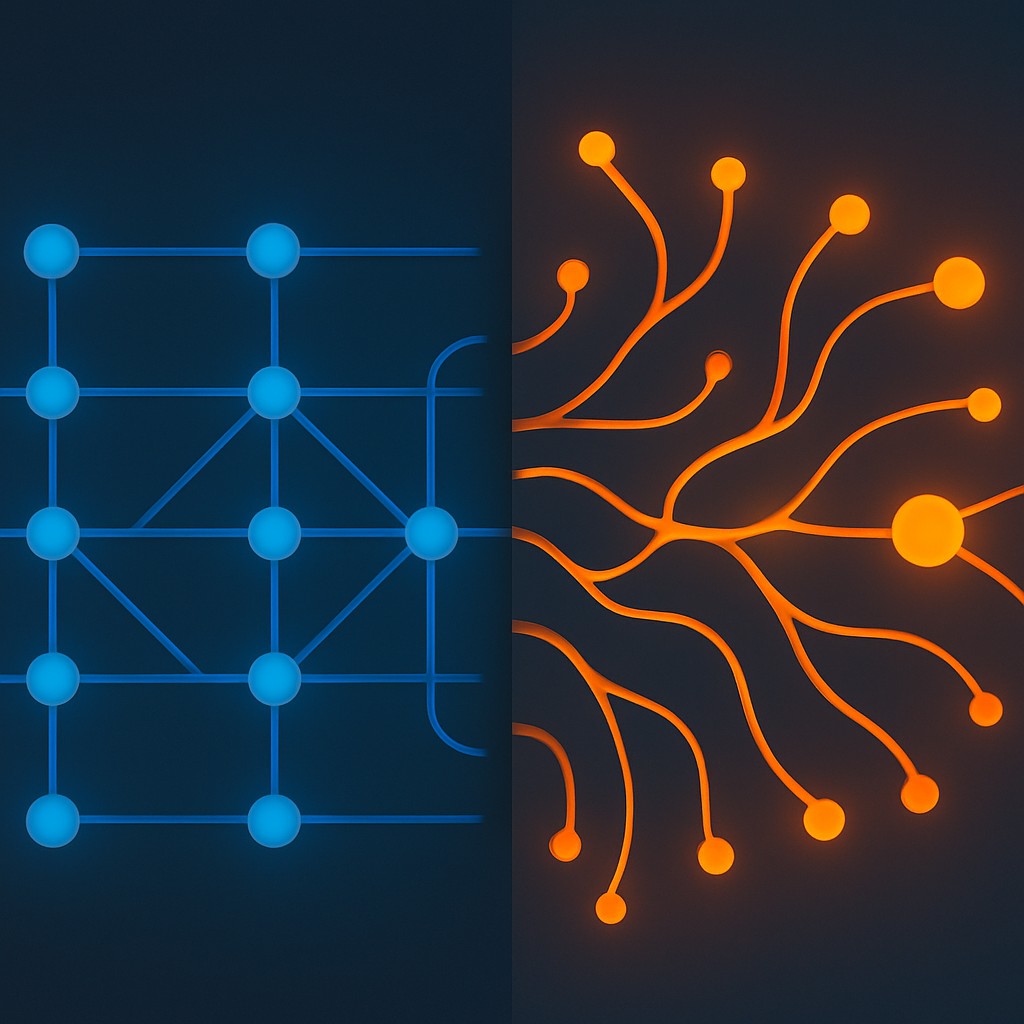
For two decades, SEO meant optimizing pages to rank in a list of blue links. That model is being reshaped by artificial intelligence. AI now influences how search engines rank content, how results are presented, and increasingly how users find information through AI assistants that deliver direct answers. Understanding the differences between traditional SEO and AI-driven SEO is essential for any business that wants to stay visible as search evolves.
How We Can Help at AAMAX.CO
At AAMAX.CO, we help businesses bridge the gap between traditional SEO and the AI search era. Our search engine optimization experts keep you strong in classic search while our generative engine optimization services position your brand to be cited and recommended by AI systems. As a worldwide digital marketing company, we make sure your strategy is ready for how people search today and tomorrow.
1. How Results Are Delivered
Traditional SEO focuses on ranking in a list of links, where users click through to websites. AI-driven search often delivers a synthesized answer directly, pulling from multiple sources and sometimes citing them. This means visibility is no longer just about position one; it is about being included and referenced in the AI-generated response, even when no click occurs.
2. The Role of Keywords
Traditional SEO has historically centered on keywords and exact-match phrases. AI search understands language and intent far more deeply, focusing on meaning, context, and the relationships between concepts. Instead of optimizing for isolated keywords, modern SEO emphasizes comprehensive topic coverage and answering the real questions behind a search.
3. Content Structure and Format
In traditional SEO, content was often optimized for length and keyword density. AI-driven search rewards clarity and structure, content that answers questions directly, uses clear headings, and presents information machines can easily extract and summarize. Concise, well-organized answers are now more valuable than padded text.
4. Authority and Trust Signals
Traditional SEO relied heavily on backlinks as the primary authority signal. While links still matter, AI search places greater emphasis on topical authority, accuracy, and trustworthiness. Demonstrating genuine expertise across a subject, and being consistent and credible, helps AI systems decide whether to cite you as a source.
5. How Success Is Measured
Traditional SEO measures rankings, organic traffic, and click-through rates. AI search introduces new metrics: how often your brand is cited in AI answers, your share of AI-generated recommendations, and visibility in answer engines. Because many AI searches end without a click, businesses must track presence and influence, not just traffic.
6. The Pace of Change
Traditional SEO evolved gradually through periodic algorithm updates. AI-driven search is changing far more rapidly, with new capabilities and behaviors emerging constantly. This requires a more agile, experimental approach where strategies are continuously tested and refined.
What Stays the Same
- Quality content wins: Helpful, accurate content remains the foundation of visibility.
- User intent matters: Understanding what people truly want is essential in both worlds.
- Technical health counts: Fast, well-structured, crawlable sites still rank and get cited.
- Trust is everything: Credibility and expertise drive both rankings and AI citations.
How to Adapt Your Strategy
The smartest approach is not to abandon traditional SEO but to expand it. Keep the fundamentals, quality content, technical excellence, and strong authority, while adding AI-focused tactics like answering questions directly, building topical authority, using structured data, and tracking AI visibility. A blended strategy ensures you capture visibility in both classic and AI-driven search.
Practical Steps to Future-Proof Your SEO
To bridge traditional and AI-driven SEO, begin by auditing your existing content for clarity and direct answers, since well-structured pages perform better in both worlds. Build comprehensive topic coverage rather than isolated keyword pages to strengthen topical authority. Implement structured data so machines can interpret your content accurately. Then expand your measurement to include AI visibility metrics alongside rankings and traffic. These practical steps let you keep the value of your existing SEO investment while preparing for a search landscape increasingly shaped by AI.
The Mindset Shift Marketers Need
Perhaps the biggest difference is not technical but philosophical. Traditional SEO often treated search as a game of signals and rankings. AI-driven search rewards a mindset focused on genuinely helping users and demonstrating real expertise. Marketers who shift from chasing algorithms to serving audiences will find themselves naturally aligned with how AI systems evaluate content. This human-centered mindset, combined with technical best practices, is the foundation of lasting visibility in an AI-powered search world.
Conclusion
Traditional SEO and AI-driven SEO differ in how results are delivered, how content is evaluated, and how success is measured, but they share a common core: helping users find trustworthy, relevant information. Businesses that combine timeless fundamentals with AI-era tactics will thrive as search continues to evolve. If you want a strategy built for both worlds, our team is ready to help you adapt and grow.
Want to publish a guest post on aamax.co?
Place an order for a guest post or link insertion today.
Place an Order