

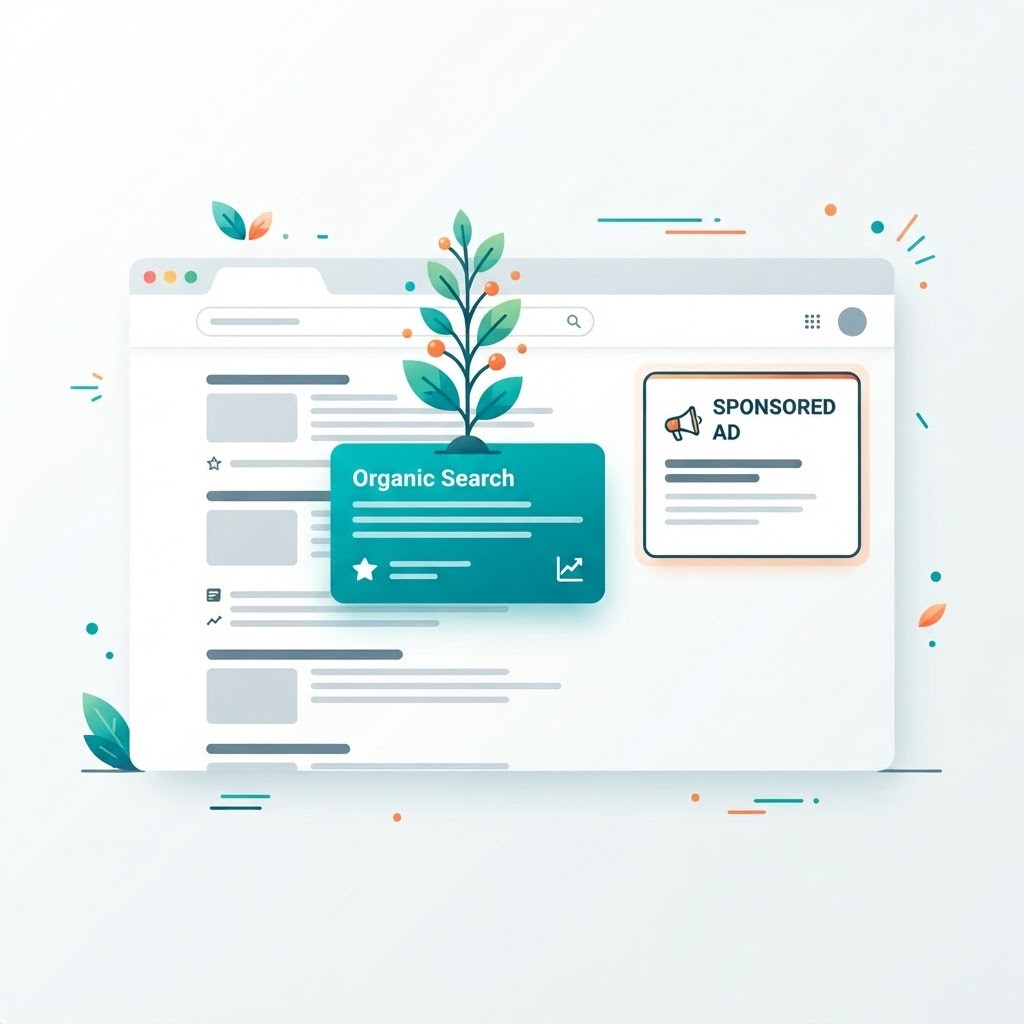
Is SEO Organic or Paid
A frequent point of confusion for business owners new to digital marketing is whether SEO is organic or paid. The distinction matters because it shapes how you budget, what results you expect, and how you measure success. In short, SEO is fundamentally an organic strategy, but the line can blur because search marketing includes both organic and paid components. Clearing up this confusion helps you make smarter decisions about where to invest.
How AAMAX.CO Grows Your Organic Presence
At AAMAX.CO we specialize in building powerful organic visibility that does not depend on ongoing ad spend. Our search engine optimization approach earns rankings the sustainable way, through quality content, technical excellence, and authority building. This means your business keeps attracting traffic long after the work is done, delivering value that compounds over time.
What Organic SEO Really Means
SEO refers to the process of improving your website so it appears in the unpaid, or organic, section of search results. You do not pay search engines for these placements. Instead, you earn them by demonstrating relevance and authority for the queries people search. This involves optimizing content, improving technical performance, earning quality links, and delivering a great user experience. Because you are not paying per click, organic traffic can become highly cost effective over time.
How Paid Search Differs
Paid search, often part of search engine marketing, involves buying ad placements that appear above or alongside organic results. These ads are usually labeled as sponsored, and advertisers pay each time someone clicks. Paid search delivers instant visibility but stops the moment you pause your budget. While paid search is a legitimate and valuable channel, it is separate from SEO, which focuses entirely on earning organic placement.
Why the Confusion Exists
The confusion often arises because both organic and paid results appear on the same search page, sometimes looking similar at a glance. Many agencies also bundle SEO and paid advertising into a single search marketing offering, which can blur the terminology. Additionally, some SEO tools and platforms display data for both channels together. Understanding that SEO specifically means organic optimization helps cut through this noise.
The Advantages of Organic SEO
Organic SEO offers several lasting benefits. It builds credibility, since users often trust organic listings more than ads. It provides sustainable traffic that does not vanish when spending stops. It also tends to deliver a stronger long term return on investment, because the cost of maintaining rankings is typically lower than continuous ad spend. These qualities make organic SEO a foundational investment for most businesses.
When to Combine Organic and Paid
Although SEO itself is organic, combining it with paid search within a broader digital marketing plan can be powerful. Paid ads can cover keywords where you have not yet earned organic rankings, while SEO steadily builds the presence that reduces your future ad dependence. Used together, they create a comprehensive search strategy that captures demand at every stage.
How Organic Rankings Are Earned
Because organic SEO cannot be bought directly, it must be earned through demonstrated value. Search engines evaluate hundreds of signals to decide which pages deserve top placement. They assess whether your content genuinely answers the query, how authoritative your website is, how quickly and smoothly your pages load, and how users respond once they arrive. Earning strong organic rankings therefore requires a holistic effort: publishing content that satisfies real needs, building credibility through quality links and mentions, and maintaining a technically healthy site. This earned nature is what makes organic visibility so valuable, since it reflects genuine merit rather than the size of your advertising budget.
The Long Term Value of Organic Traffic
The compounding nature of organic traffic is one of its greatest strengths. A single well optimized page can attract visitors for years without additional cost per click, and as you publish more quality content, your total organic reach grows steadily. This creates a snowball effect where your visibility and traffic increase over time, even as your relative investment decreases. Unlike paid channels that reset to zero the moment you stop spending, organic assets continue working around the clock. This durability is why organic SEO is often described as building equity in your business rather than simply paying for temporary exposure.
Clearing Up a Costly Misconception
The confusion between organic and paid search is not just academic; it can lead to real budgeting mistakes. Some business owners assume that paying a search engine will directly improve their organic rankings, which is not how it works. Spending on ads does not buy you a higher position in the unpaid results. Likewise, some expect organic SEO to deliver instant results the way a paid campaign does, then grow discouraged when it takes time. Understanding that SEO is an earned, organic discipline with a longer time horizon helps you set the right expectations and allocate your budget wisely across both channels.
Conclusion
Is SEO organic or paid? SEO is firmly an organic strategy focused on earning unpaid visibility, while paid search is a distinct channel. Understanding this difference is essential for setting expectations and allocating budget wisely. If you want to build durable organic growth for your business, AAMAX.CO has the expertise to help you rank and thrive without relying solely on paid placements.
Want to publish a guest post on aamax.co?
Place an order for a guest post or link insertion today.
Place an Order