

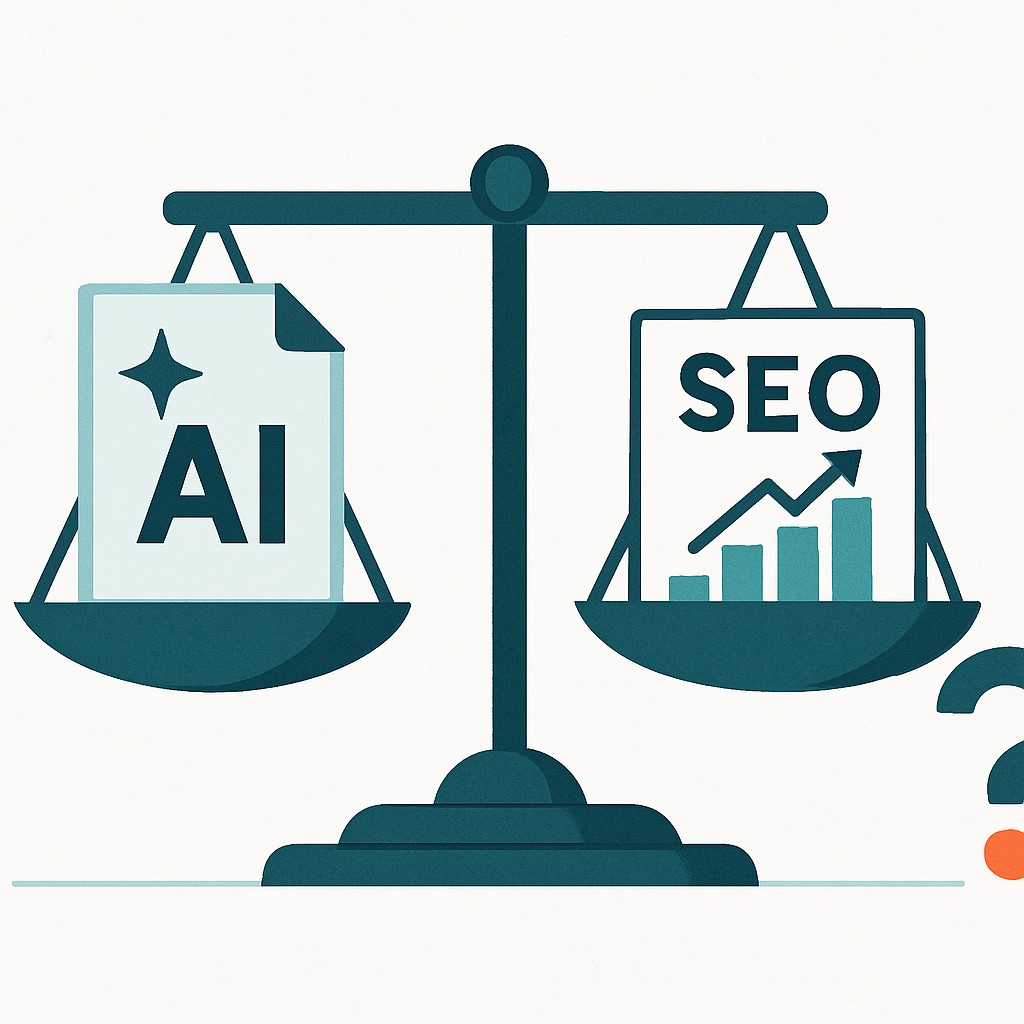
Is AI Content Bad for SEO
As AI writing tools become widespread, many marketers worry whether AI-generated content could harm their SEO. The fear is understandable: no one wants to invest in content that gets penalized or ignored by search engines. The reality is more nuanced than a simple yes or no. Search engines care about quality and value, not whether a human or machine produced the words. Understanding this distinction is key to using AI content safely and effectively.
How We Can Help at AAMAX.CO
At AAMAX.CO, we help businesses worldwide use AI responsibly within a quality-first SEO strategy. Our search engine optimization team blends AI efficiency with human expertise to produce content that ranks and resonates. If you want to leverage AI without risking your rankings, we can guide you toward best practices.
What Search Engines Actually Care About
Search engines prioritize content that is helpful, accurate, and satisfies user intent. They do not penalize content simply for being AI-assisted; they penalize content that is low quality, misleading, or created solely to manipulate rankings. The focus is on value to the reader, which means well-crafted AI-assisted content can perform just as well as human-written content.
When AI Content Can Hurt SEO
AI content becomes risky when it is published without human oversight, contains inaccuracies, or is mass-produced to game search engines. Thin, generic, or repetitive content that adds no real value can damage your rankings and reputation. The problem is not the use of AI, but the absence of quality control and genuine usefulness.
When AI Content Helps SEO
Used thoughtfully, AI accelerates research, drafting, and optimization, allowing you to publish high-quality content more efficiently. AI can help you cover topics comprehensively, identify content gaps, and improve readability. When combined with human editing and expertise, AI-assisted content can be accurate, engaging, and effective for SEO.
The Importance of Human Oversight
Human review is what separates valuable AI content from risky AI content. Editors ensure accuracy, add original insight, refine tone, and verify that the content truly serves the audience. This oversight protects against errors and the generic quality that can plague unedited AI output, keeping your content trustworthy.
Maintaining Originality and Value
To keep AI content SEO-friendly, focus on adding unique value. Incorporate original research, expert perspectives, real examples, and insights that competitors lack. Search engines reward content that offers something distinctive, so use AI as a starting point rather than the final product.
Best Practices for AI Content
Always review and edit AI output, verify facts, add original value, and ensure the content matches user intent. Avoid publishing large volumes of unedited content, and prioritize quality over quantity. Following these practices lets you enjoy the efficiency of AI while protecting your SEO performance.
What Google Says About AI Content
Google has clarified that it rewards high-quality content regardless of how it is produced, while discouraging content created primarily to manipulate rankings. This means AI-assisted content is acceptable as long as it is helpful, accurate, and people-first. The emphasis is on demonstrating expertise and value, not on the method of creation. Understanding this guidance helps you use AI confidently, focusing your energy on quality rather than worrying that AI involvement alone will trigger penalties.
Building a Sustainable Content Process
The safest way to use AI is to build a content process that bakes in quality from the start. Combine AI-assisted research and drafting with human expertise, fact-checking, and editing. Establish clear standards for accuracy, originality, and value, and apply them consistently. Document your workflow so quality does not slip as you scale. A sustainable process lets you enjoy AI efficiency while ensuring every piece of content earns its place in search results and serves your audience well.
Signs Your AI Content Needs Improvement
Even with a good process, it helps to recognize warning signs that your AI content is falling short. If pages attract impressions but few clicks, your content may not be compelling or relevant enough. High bounce rates suggest readers are not finding the value they expected. Content that reads generically, repeats ideas, or lacks original insight is unlikely to perform well. Factual errors or outdated information can damage trust and rankings. Regularly reviewing these signals lets you catch problems early and refine your content. Treating AI output as a draft to be improved, rather than a finished product, keeps your quality high and your SEO healthy.
Conclusion
AI content is not inherently bad for SEO; poorly made content is. When you combine AI efficiency with human oversight, accuracy, and genuine value, AI-assisted content can rank well and serve your audience. The fear that AI content automatically harms rankings is unfounded; what matters is whether the content genuinely helps the people who read it. Keep that principle at the center of your process and AI becomes a powerful ally rather than a liability. If you want help using AI content the right way, our team is ready to support your strategy.
Want to publish a guest post on aamax.co?
Place an order for a guest post or link insertion today.
Place an Order