

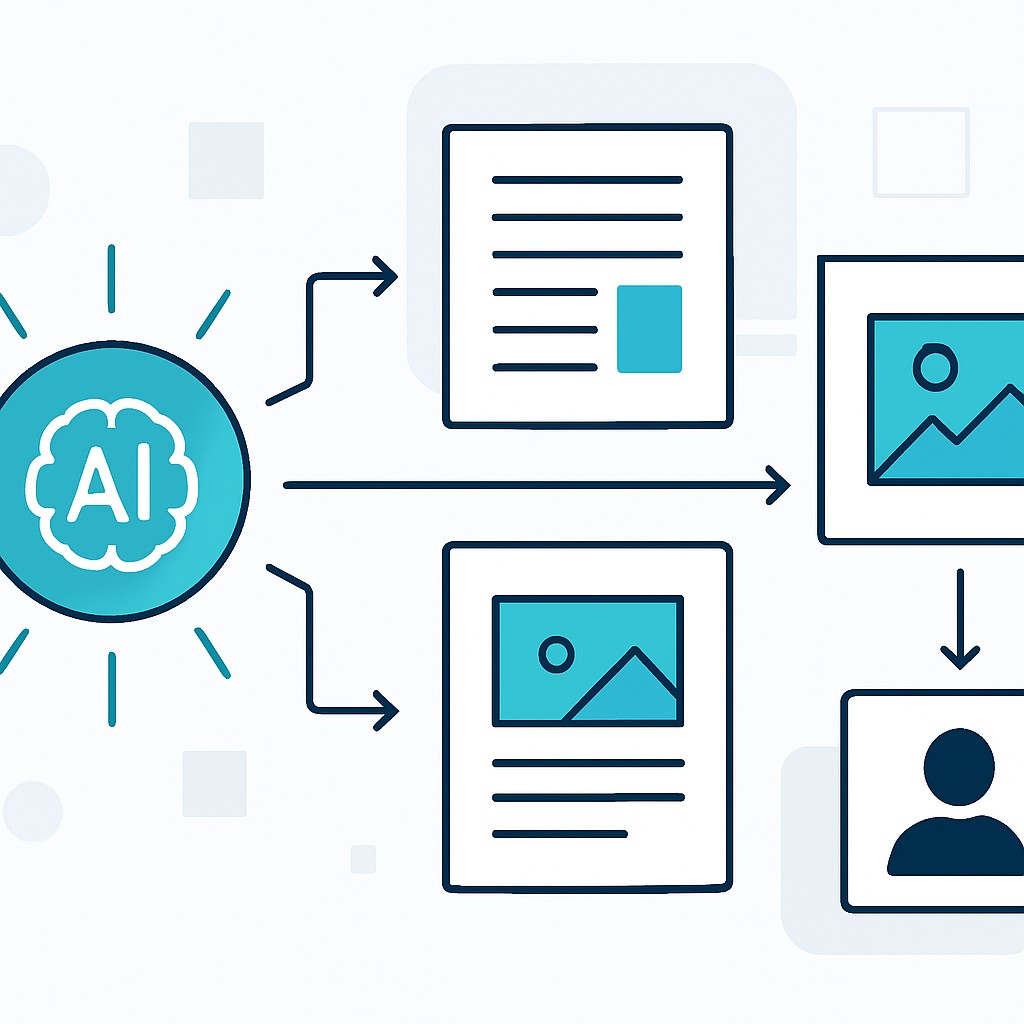
How to Implement Generative AI in Marketing
Generative AI has captured the imagination of marketers everywhere, promising faster content, smarter personalization, and dramatic efficiency gains. Yet many organizations struggle to move from experimentation to real impact. The difference between hype and results comes down to implementation. Learning how to implement generative AI in marketing strategically and responsibly ensures you capture its benefits without the common pitfalls.
Implement Generative AI With AAMAX.CO
At AAMAX.CO, we help businesses move from AI curiosity to AI capability. Our digital marketing team designs practical generative AI workflows that fit your goals and integrate with your existing processes. Partner with AAMAX.CO to implement AI that delivers measurable results.
Start With Clear Use Cases
Successful implementation begins with specific, high-value use cases rather than vague ambitions. Identify where generative AI can solve real problems: drafting content, creating ad variations, personalizing emails, or summarizing research. Starting with focused use cases lets you demonstrate value quickly and build momentum before expanding to more ambitious applications.
Build the Right Foundation
Generative AI performs best on a solid foundation of clean data, clear brand guidelines, and defined workflows. Before scaling, document your brand voice, style, and standards so AI output aligns with your identity. Organize your data so AI tools have the context they need. A strong foundation prevents the inconsistent, off-brand results that derail many implementations.
Choose Tools That Fit Your Needs
The generative AI market is crowded, so choose tools that match your specific use cases and integrate with your stack. Test platforms with your own data, evaluate output quality, and confirm they fit your workflow. Avoid adopting tools simply because they are popular; the right fit matters far more than the biggest name.
Establish Human Review Processes
Generative AI accelerates creation, but human review ensures quality, accuracy, and brand alignment. Build clear workflows where AI generates drafts and skilled people refine them. Define who reviews what and establish standards for approval. This human-in-the-loop approach protects your brand while still capturing major efficiency gains.
Train Your Team
Technology is only as effective as the people using it. Invest in training so your team understands how to prompt AI effectively, evaluate output critically, and integrate AI into their daily work. Skilled users get dramatically better results than novices, so building internal capability is one of the highest-return investments you can make.
Address Ethics and Compliance
Generative AI raises important ethical questions about disclosure, originality, and data use. Establish clear policies on how AI is used, ensure compliance with regulations, and be transparent where appropriate. Responsible implementation protects your reputation and builds trust with customers who increasingly care about how brands use AI.
Measure Impact and Iterate
Track the results of your generative AI initiatives against clear metrics: productivity, content quality, engagement, and return on investment. Use these insights to refine your approach, expand what works, and abandon what does not. Treat implementation as an ongoing process of learning and improvement rather than a one-time deployment.
Scale Thoughtfully
Once you have proven value in focused use cases, scale deliberately. Expand to new applications, integrate AI more deeply into workflows, and build the processes needed to maintain quality at scale. Thoughtful scaling ensures that growth amplifies your results rather than introducing chaos and inconsistency.
Maintain Brand Consistency
As generative AI produces more of your content, maintaining a consistent brand voice becomes critical. Create detailed style guides, example libraries, and prompt templates that encode your tone, terminology, and standards. Feed these to your AI tools so output stays on-brand. Review generated content against your guidelines and refine your prompts over time. Consistency builds recognition and trust, so invest in the systems that keep AI output aligned with your brand no matter how much you produce.
Build Feedback Loops
Generative AI improves dramatically when you build feedback loops into your process. Capture what works and what does not, refine your prompts based on results, and share successful approaches across your team. Track performance metrics so you know which AI-generated content actually drives engagement and conversions. These feedback loops turn generative AI from a static tool into a continuously improving capability, ensuring that each cycle of content is sharper and more effective than the last.
Manage Change Across the Organization
Introducing generative AI changes how people work, so manage that change deliberately. Communicate the benefits clearly, involve your team in the rollout, and address concerns about job security or quality openly. Provide support as people adapt, and celebrate early wins to build enthusiasm. Resistance often comes from uncertainty, so transparency and inclusion go a long way. Thoughtful change management ensures your team embraces generative AI as a helpful ally rather than resisting it as a threat to their roles.
Conclusion
Implementing generative AI in marketing successfully requires clear use cases, a strong foundation, the right tools, human review, team training, and ethical guardrails. Start focused, prove value, and scale thoughtfully. When you implement with intention, generative AI becomes a powerful engine for growth rather than an expensive experiment. AAMAX.CO is ready to help you implement generative AI the right way.
Want to publish a guest post on aamax.co?
Place an order for a guest post or link insertion today.
Place an Order