

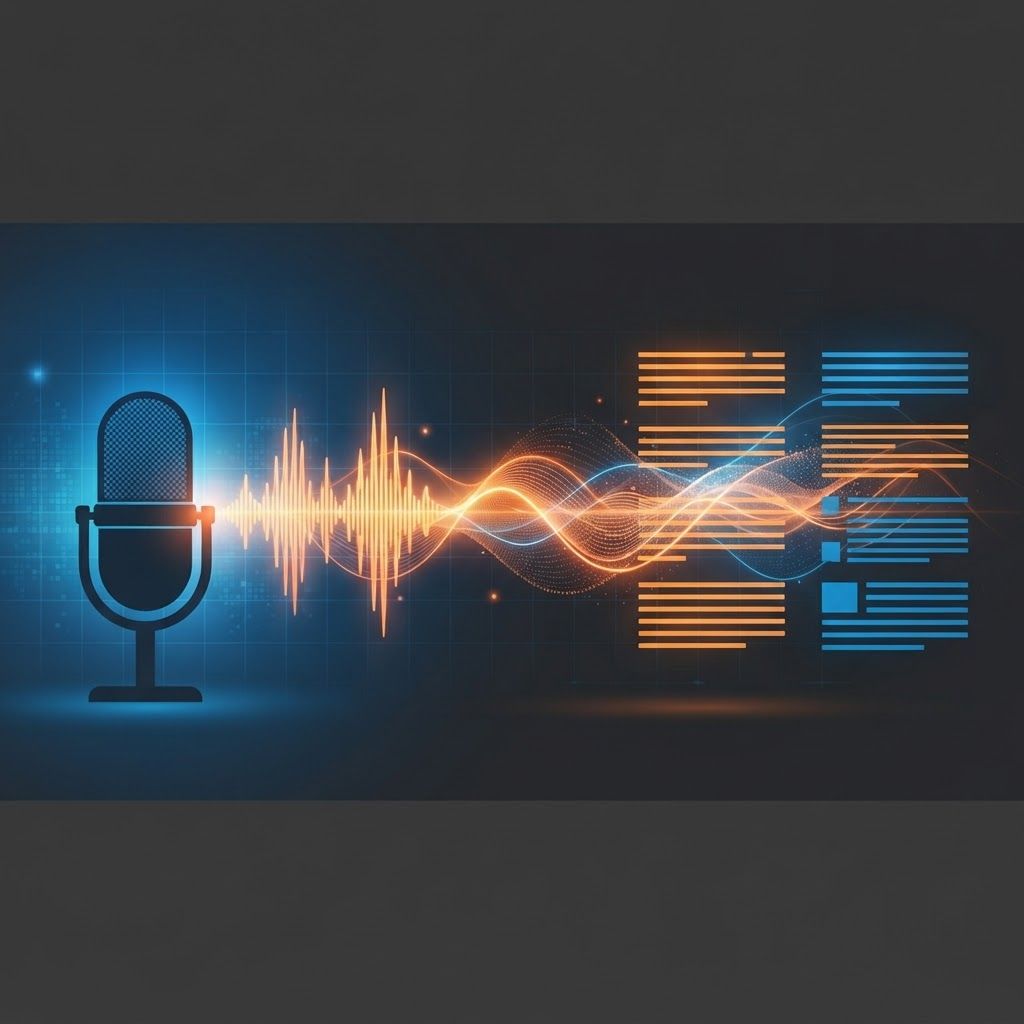
How to Add Podcast Transcripts to Website for SEO
Your Audio Is Invisible Without Text
Podcasts generate an enormous amount of expert conversation, and almost all of it is wasted from a search perspective. An episode page typically contains a title, a short description and an embedded player, which gives search engines perhaps eighty words to work with while the episode itself contains eight thousand words of genuinely useful discussion. Adding a transcript converts that hidden value into indexable content, and because podcast conversations naturally cover many specific questions, transcripts often rank for long tail queries no one would have thought to target deliberately.
The benefits extend beyond ranking. Transcripts make episodes accessible to people who are deaf or hard of hearing, allow readers to skim rather than listen, let visitors quote and share specific passages, and give AI answer engines material they can cite. A podcast without transcripts is a library with the books locked shut.
How AAMAX.CO Can Help Turn Podcasts Into Organic Traffic
We are a full service digital marketing company providing web development, digital marketing and SEO worldwide, and podcast content is one of the most underused assets we find when auditing brands. Our team can build proper episode templates on your website, implement transcript formatting and podcast schema, structure internal linking so episodes support your commercial pages, and repurpose each conversation into articles that target the queries your audience actually searches. We handle the development work and the optimisation together, so you are not left with a plugin that publishes unreadable walls of text. Hire AAMAX.CO for SEO services at https://aamax.co and we will make your back catalogue work as a search channel.
Get Accurate Transcription First
Automated transcription is now inexpensive and fast, and for clear single speaker audio it can be accurate enough to publish after light editing. The problems appear with industry terminology, brand names, product names, accents, crosstalk and numbers, and those are exactly the words you most want indexed correctly. A transcript that consistently misspells your product name is worse than no transcript.
The practical approach is automated transcription followed by a human editing pass. During editing, correct terminology, add speaker labels, remove filler words and false starts, break the text into readable paragraphs, and fix punctuation so sentences parse properly. Aim for a document a person would actually read rather than a raw dump of recognised speech.
Structure The Transcript Page Properly
How you present the transcript matters as much as having one. A single unbroken block of ten thousand words is technically indexable and practically unusable, and pages people abandon immediately do not hold rankings for long.
A strong episode page follows a clear order. Start with a descriptive title that includes the topic rather than only an episode number, since nobody searches for episode forty seven. Follow with a short summary of what listeners will learn, then the player, then key takeaways as a short list, then a timestamped table of contents linking to sections, then the transcript itself broken into headed sections that reflect the topics discussed. Adding subheadings drawn from the actual conversation is the single biggest improvement most podcast pages can make, because it creates the structure search engines use to understand and excerpt content.
Keep the transcript visible in the HTML rather than hidden behind a tab or an expandable element that loads content only after interaction. Progressive disclosure is acceptable if the text exists in the initial HTML, but content injected on click may never be seen by a crawler.
Add The Right Structured Data
Structured data helps engines classify episode pages and can support richer presentation. Use podcast episode markup that identifies the episode, its series, the publication date, the duration and the audio file, and include the transcript text where the specification allows. If your episode page also functions as an article, mark up the author and publication details, and add a frequently asked questions block only where the page genuinely contains questions and answers.
Also provide a proper audio object reference so platforms can identify the media, and make sure the page includes an accurate canonical link. If the same episode is syndicated to a partner site, agree who owns the canonical version to avoid competing against yourself.
Internal Linking Turns Episodes Into A System
Isolated episode pages accumulate authority and do nothing with it. Every transcript should link out to the relevant service or product pages when the conversation touches those topics, to related episodes, and to any in depth articles you have published on the same subject. Use descriptive anchor text drawn from the topic rather than generic phrases.
Guest links deserve attention too. Linking to guests and their organisations is courteous and often reciprocated, which is one of the more natural ways a podcast earns authority over time. Sending each guest a short note with the episode link and a suggested quote makes that reciprocity far more likely.
Repurpose Beyond The Transcript
The transcript is raw material. From one episode you can extract a standalone article addressing the strongest question discussed, a set of short answers for a frequently asked questions page, quotable statistics or opinions for social posts, an email newsletter summary and a video clip with captions. Each derivative targets different queries and platforms while requiring far less effort than original research.
Be careful to avoid publishing near duplicate versions of the same text across multiple URLs. A derived article should be rewritten and expanded with additional context, not copied from the transcript with a new heading.
Technical Details Not To Overlook
Long transcripts add page weight, so lazy load the player and any images, avoid loading multiple heavy embeds on archive pages, and ensure the page remains fast on mobile. Set the correct language attribute, provide descriptive alternative text for episode artwork, and if you publish transcripts in multiple languages, keep each on its own URL with appropriate annotations. Finally, include episode pages in your sitemap and check that they are being crawled, since deep archives are frequently ignored when internal linking is thin.
Conclusion
Adding transcripts converts audio you have already produced into content search engines can read, users can skim and other publishers can cite. Focus on accuracy, readable structure with real headings, correct schema, purposeful internal links and thoughtful repurposing, and a podcast archive becomes one of the most cost effective organic assets a brand can own. If you would like help implementing this across your catalogue, our team can take care of it.
Want to publish a guest post on aamax.co?
Place an order for a guest post or link insertion today.
Place an Order