

How Long Does SEO Take to Work 2022
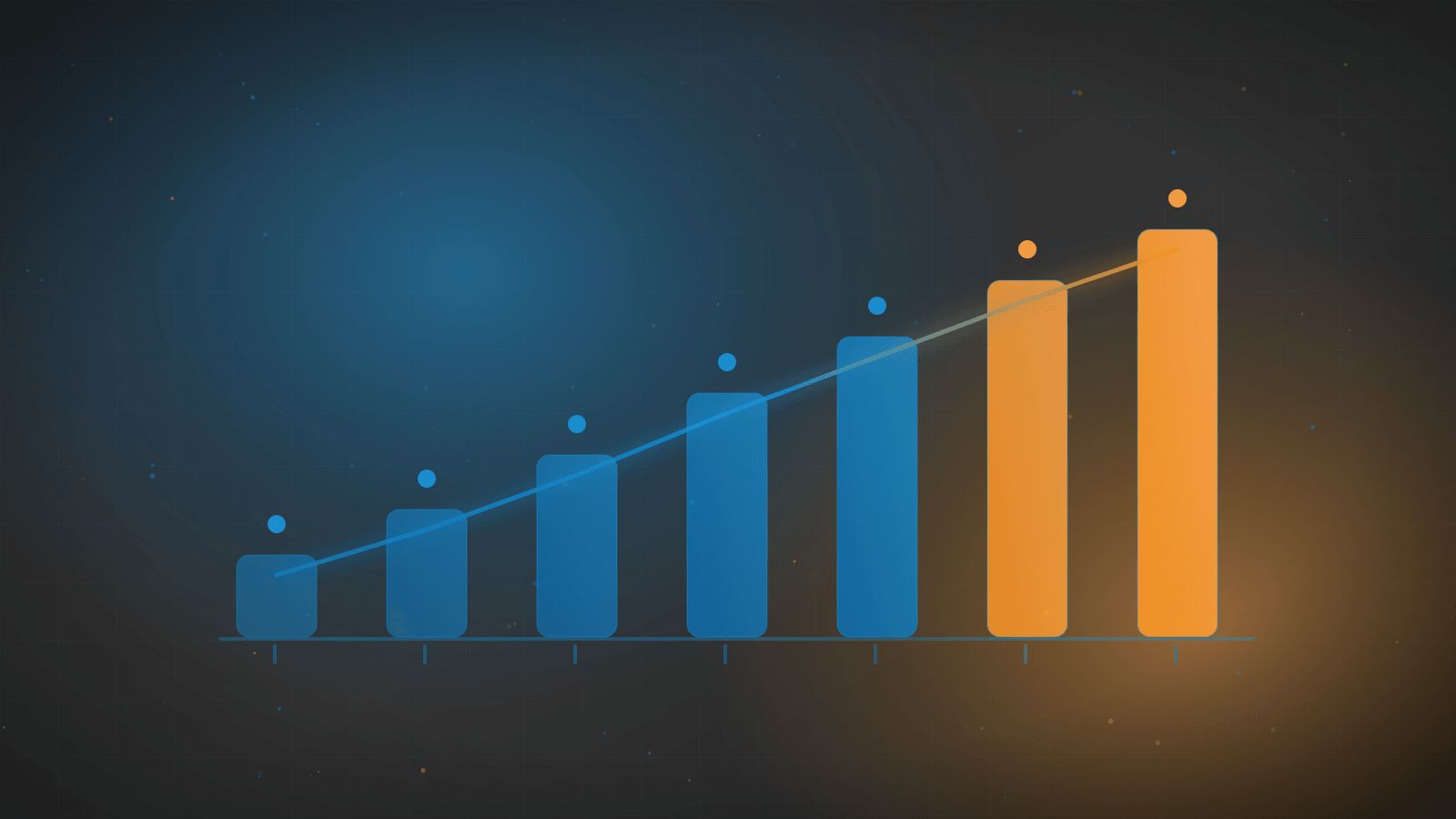
Back in 2022 the standard industry answer to how long SEO takes to work was four to twelve months, and that range still appears in nearly every proposal written today. It was a reasonable benchmark then and it remains a reasonable starting point now, but the mechanics behind it have changed considerably. In 2022, most of the waiting was explained by crawl cycles, link acquisition velocity, and the gradual accumulation of trust signals. Today, indexing is faster, quality thresholds are higher, and a growing share of clicks is absorbed by AI generated summaries and zero-click features. The result is a timeline that looks similar on paper but behaves differently in practice: early technical wins arrive sooner, while breaking into competitive content territory takes more thorough work than it did a few years ago.
Why Businesses Partner With AAMAX.CO for Predictable SEO Timelines
The problem with a four to twelve month range is that it tells a business nothing about what will happen in month two. At AAMAX.CO we replace that vagueness with a staged plan, so you know which wins are expected early, which require sustained investment, and which are genuinely long term. We are a full service digital marketing company delivering web development, digital marketing and search engine optimization worldwide, which means we can fix technical bottlenecks, rebuild page templates, and produce content within one accountable team rather than passing blame between vendors. That integration is usually what turns a twelve month timeline into a six month one.
What the 2022 Benchmarks Actually Measured
Most of the widely cited 2022 studies measured the time for a page to reach the first page of results for a target keyword, which is a narrower question than whether SEO is working. Those studies consistently found that only a small minority of pages reached page one within a year, and that the ones which did tended to be published on domains that already had authority. That is the crucial nuance often lost in summary form. SEO on an established site with clean technical foundations works within weeks. SEO on a new domain with no links and no content history takes closer to a year to produce meaningful organic revenue, regardless of how well the work is executed. Both statements were true in 2022 and both remain true.
Stage One: Weeks One to Six
The first six weeks are about removing obstacles rather than gaining ground. Technical auditing typically uncovers crawl waste, indexation of low-value pages, broken internal links, duplicate title tags, slow templates, and missing structured data. Fixing these does not usually create dramatic ranking gains on its own, but it changes how efficiently everything you do afterwards is evaluated. Alongside the technical work, this stage covers keyword research grounded in actual business value, competitive gap analysis, and mapping of existing pages to intent. Businesses with a large existing content library frequently see genuine ranking improvements in this window, purely from optimising pages that were already almost good enough.
Stage Two: Months Two to Four
This is where content and internal architecture start producing measurable movement. New pages get indexed and begin collecting impressions, refreshed pages climb, and the site starts ranking for a wider set of long-tail queries. Expect average position to improve across a broad set of keywords rather than dramatic jumps on head terms. This is also the stage where link acquisition begins to matter, since the pages you want to promote finally exist in a form worth linking to. Reporting in this window should emphasise impressions, query count, and non-branded clicks rather than individual keyword positions, which remain volatile.
Stage Three: Months Four to Eight
By this point the compound effects appear. Topic clusters reinforce one another, internal links distribute authority to commercial pages, and earned links begin lifting the whole domain rather than single URLs. Head terms that seemed unreachable start appearing on page two and then page one. Conversion-focused pages, which are usually the hardest to rank because they have the fewest natural links, benefit from the supporting content built earlier. Most businesses reach the point of positive return on investment somewhere in this stage, though the exact month depends heavily on average order value and sales cycle length.
Stage Four: Months Eight and Beyond
Mature SEO shifts from building to defending and expanding. The work becomes maintaining rankings against competitors who are now copying your approach, expanding into adjacent topics, improving conversion rates on pages that already receive traffic, and pruning content that no longer earns its place. This stage has the best economics because the infrastructure already exists and each incremental piece of work leverages it. It is also the stage most businesses never reach, because they abandoned the programme during the slow middle months and restarted from zero with a new agency.
What Changed Since 2022
Three shifts matter most. First, indexing became faster but more selective; pages get discovered quickly and then quietly ignored if they add nothing new. Second, the quality bar rose, so surface-level content assembled from existing search results rarely ranks at all, and depth, originality, and demonstrable expertise carry more weight. Third, the results page itself changed, with AI summaries, expanded featured snippets, and richer commercial modules absorbing clicks that once flowed to organic listings. The practical implication is that ranking is no longer synonymous with receiving traffic, and measurement has to account for visibility inside those features. A coordinated digital marketing approach across search, email, social, and paid channels is now the sensible hedge against that volatility.
How to Measure Whether It Is Working Before Month Six
Waiting six months for a verdict is unnecessary. Within the first month you should see technical health metrics improve: fewer crawl errors, better core web vitals, cleaner indexation. By month two, total impressions and the number of ranking queries should be trending upward even if positions look mediocre. By month three, non-branded organic clicks should be measurably above baseline, and specific target pages should be moving in a consistent direction. By month four, at least a few commercially relevant queries should be delivering conversions. If none of those leading indicators are present by month four, the strategy needs revisiting rather than more patience.
Building for Generative Search
The newest variable in the timeline is how quickly content earns citations in AI generated answers, which can happen well before a page reaches a strong traditional ranking. Clear structure, direct answers, specific data, and clean schema markup all improve the odds of being quoted. This creates an opportunity: a page can start influencing buying decisions in its first month through AI citations while still working its way up the conventional rankings. Our GEO services are designed to capture that early visibility rather than leaving it to chance.
Final Thoughts
The 2022 answer of four to twelve months holds up, but it should never be the whole answer. Ask instead which results are expected in month one, month three, and month six, and insist on leading indicators rather than a single distant promise. SEO is slow to start and difficult to stop once it has momentum, which is precisely why the businesses that commit through the middle months end up dominating their categories. If you want a staged, measurable plan rather than a vague range, our team can put one together for you.
Want to publish a guest post on aamax.co?
Place an order for a guest post or link insertion today.
Place an Order