

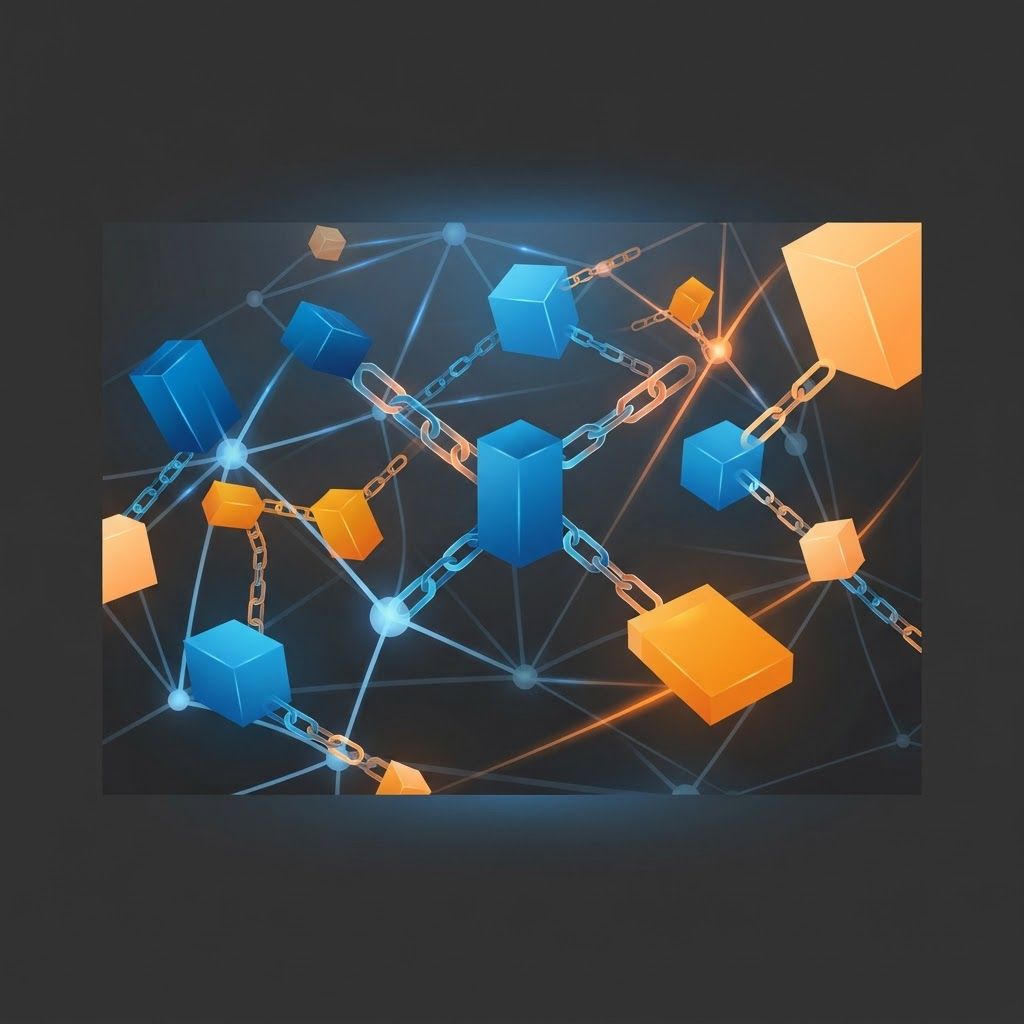
How Internal Linking Improves Online Store SEO
Online stores often have hundreds or even thousands of pages, from category listings to individual product pages, and managing how these pages connect is one of the most powerful yet overlooked aspects of ecommerce SEO. Internal linking, the practice of linking from one page on your site to another, shapes how search engines discover, understand, and prioritize your content. Done well, it distributes ranking power throughout your store, helps shoppers find what they need, and increases the visibility of the products that matter most to your business.
For ecommerce sites, internal linking is not just a technical detail, it is a strategic lever. A thoughtful structure guides both crawlers and customers along logical paths, surfaces high-value products, and prevents important pages from becoming buried and forgotten. Understanding how internal linking improves online store SEO can unlock rankings and revenue that many merchants leave on the table.
How We Can Help With Your SEO
At AAMAX.CO, we help online stores build internal linking architectures that maximize both search performance and shopper experience. Our SEO services include technical audits, site structure planning, and ongoing optimization designed specifically for ecommerce. We turn complex product catalogs into well-organized, high-performing stores that search engines and customers can navigate with ease.
Helping Search Engines Discover Every Page
Search engines rely on links to crawl and index your site. In a large store, product pages that are not linked from anywhere become nearly invisible, sometimes called orphan pages. A strong internal linking strategy ensures every important page is reachable within a few clicks from the homepage. This improves crawl efficiency, helps new products get indexed faster, and ensures your entire catalog has the opportunity to rank rather than sitting undiscovered in the depths of your site.
Distributing Ranking Power Where It Counts
Links pass authority, often called link equity, from one page to another. Your homepage and top category pages usually accumulate the most authority, and internal links allow you to channel that power toward the products and collections you most want to rank. By linking strategically from high-authority pages to priority products, you signal their importance to search engines. This deliberate flow of authority can lift the rankings of your best-margin or best-selling items without any additional external links.
Reinforcing Topical Relevance
Internal links with descriptive, keyword-rich anchor text help search engines understand what each page is about and how pages relate to one another. Linking related products, complementary categories, and relevant guides builds topical clusters that demonstrate depth and relevance. This contextual web reinforces your authority around specific themes, making it easier to rank for the range of terms shoppers use when searching for products in your niche.
Improving Shopper Navigation And Engagement
Internal linking is not only for search engines, it directly benefits customers. Related product suggestions, "customers also bought" modules, and links to helpful buying guides keep shoppers engaged and moving through your store. This reduces bounce rates, increases pages per session, and often raises average order value. When visitors explore more pages and stay longer, they send positive engagement signals that further support your rankings.
Using Category And Blog Content Strategically
Category pages are ecommerce ranking powerhouses, and linking to them from product pages and blog content strengthens their authority. Educational blog posts and buying guides offer natural opportunities to link to relevant products and collections, capturing shoppers in the research phase and guiding them toward purchase. This blend of informational and transactional linking creates a smooth path from curiosity to conversion while reinforcing the SEO value of your key pages.
Maintaining A Healthy Link Structure
As stores grow and products come and go, internal links can break or point to out-of-stock pages, harming both user experience and SEO. Regular audits to fix broken links, redirect discontinued products, and update anchor text keep your structure healthy. Integrating this maintenance into a broader digital marketing program ensures your store remains technically sound and continues to perform as your catalog evolves.
Conclusion
Internal linking is a quiet but powerful driver of ecommerce success. It helps search engines discover and prioritize your pages, distributes authority to your most valuable products, reinforces relevance, and guides shoppers toward purchase. A deliberate internal linking strategy can unlock rankings and revenue hiding within your existing catalog. If you want to build a store architecture that performs, our team is ready to help you design and maintain it.
Want to publish a guest post on aamax.co?
Place an order for a guest post or link insertion today.
Place an Order