

Preparing Your Camera Equipment for Resale: A Step-by-Step Guide
Camera gear often outlasts the enthusiasm that bought it. A mirrorless body gets replaced by a newer model, a lens sits unused after a change in shooting style, or a hobby fades. Resale can recover a meaningful share of the original cost, but only when the equipment is presented well. Buyers pay for confidence, and confidence comes from testing, honest documentation, and complete accessories.
Testing the Body and Every Lens
Start with the camera body. Insert a battery and a memory card, then shoot a series of test images across the full range of settings. Check autofocus accuracy, shutter response, burst speed, exposure metering, and the screen and viewfinder. Test every button, dial, port, and the hot shoe. Record a short video to confirm audio and video features work.
Read the shutter count where the camera allows it, since buyers use it to judge wear. Many tools extract this from image metadata. Inspect the sensor for dust or scratches by photographing a plain surface at a small aperture, and look for spots.
Lenses need their own checks. Test focusing at close and far distances, zoom smoothness, aperture blades, and image stabilization. Look through the glass for fungus, haze, scratches, or separation, and shine a light through the barrel. Check the mount, the filter threads, and the rear element. Run test shots with each lens, noting sharpness at the edges. Make a short list of results to share with buyers.
Documenting Condition and Understanding What Affects Value
Describing condition accurately builds trust. Use consistent terms such as like new, excellent, good, and fair, and back each with detail. Note scuffs, brassing on edges, scratches, worn rubber grips, and any dents. Photograph each side of the body and lens, the screen, the mount, and the serial number.
Condition influences valuation in predictable ways. Cosmetic wear lowers the price modestly, while functional issues such as faulty autofocus, sensor damage, or lens haze reduce it sharply. Low shutter counts and well-kept gear attract better offers. Age and generation matter too, since newer models hold value longer and older ones drop as replacements arrive.
Photographs taken now also help later when comparing the available sales channels, since consistent images and notes can be reused across listings and quotes. Original boxes, manuals, receipts, and warranty cards support the story of careful ownership. Be candid about flaws, because buyers discover them eventually, and hidden problems lead to returns and disputes.
Gathering Batteries, Accessories, and Cleaning Up
A complete kit sells better. Collect the original battery and charger, spare batteries, the strap, body cap, lens caps, lens hood, cables, and any cases. Genuine accessories matter more than third-party ones, though working third-party batteries still add value. Test each battery for capacity.
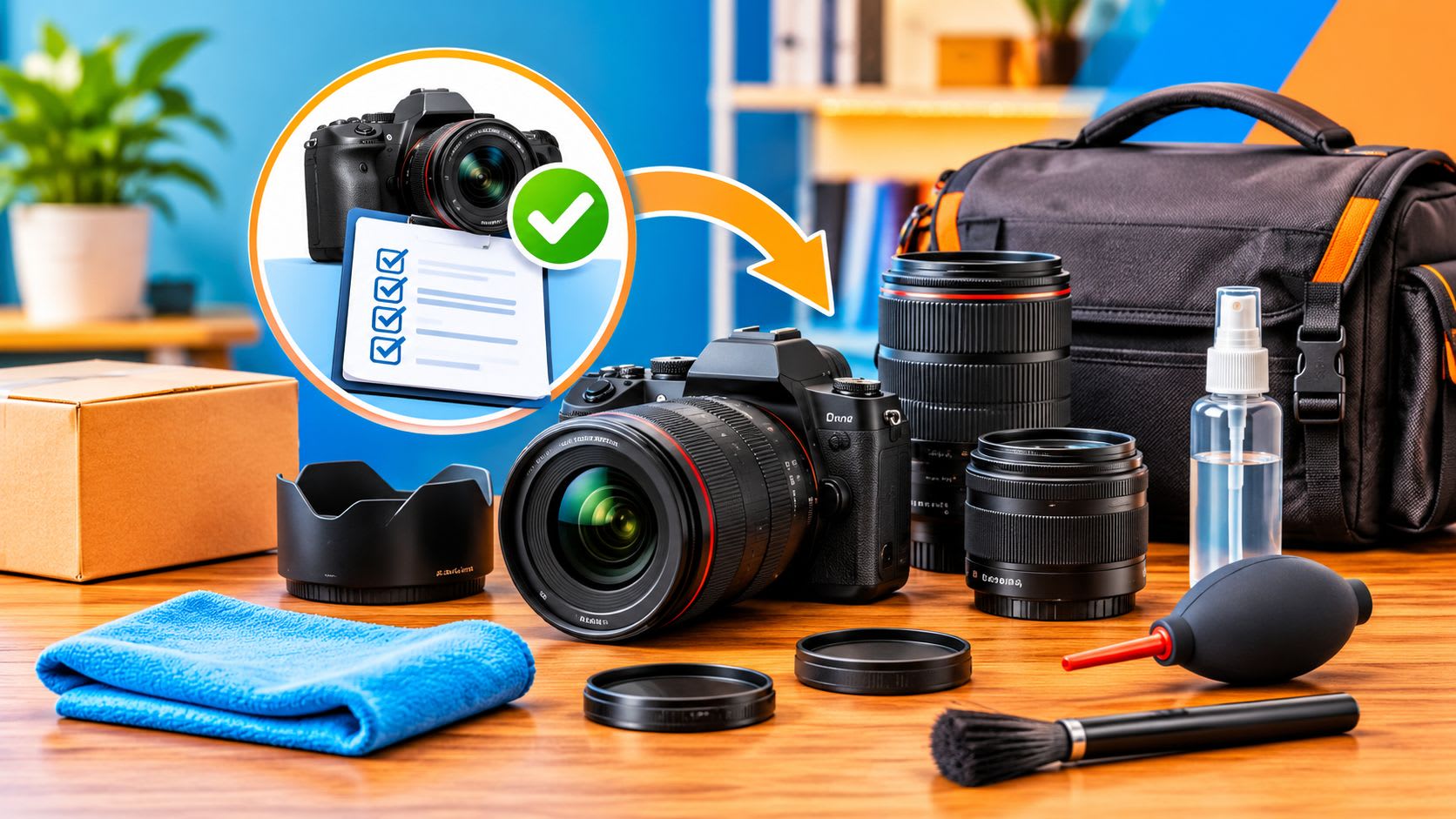
A short checklist keeps the process organized:
Charge and test every battery, and note how long each lasts.
Remove memory cards and back up any images you want to keep.
Reset the camera to factory settings and clear custom profiles.
Remove Wi-Fi and Bluetooth pairings, and sign out of any connected apps.
Clean the body, screen, lens glass, and contacts with proper tools.
Pack caps, hoods, and manuals with the matching item.
Use a blower for dust, a microfiber cloth for glass, and lens cleaning solution sparingly. Avoid abrasive materials, and do not attempt to clean the sensor unless experienced, since mistakes cost more than any gain. Leave firmware updated if the buyer would likely want it, and note the version.
Cash-Buying Options for Cameras
Choosing where to sell a camera for cash involves balancing convenience, the likely offer, and the work of finding a buyer. An in-store assessment can provide a quote after the equipment is inspected, while a private sale may require listings, messages, and a longer wait.
A store visit allows the staff to examine the body, lenses, and accessories and make an offer based on condition and demand. Payment can be immediate, and there is no shipping or negotiation. The price is typically lower than a successful private sale, since the buyer must cover testing, overhead, and resale margins.
Specialty camera retailers, trade-in programs, and consignment services provide other cash-like options, each with different fees and payout timing. Ask about condition grading, how long an offer remains valid, and what happens if the grade changes after inspection. Compare at least two quotes.
Comparing Local and Online Selling
Online marketplaces reach large audiences, including collectors and photographers who know exactly what they want. Listings with clear photos, test shots, and shutter counts tend to attract serious buyers. Fees, shipping costs, and payment protection policies affect the final return, and the seller carries the risk of disputes and fraud attempts.
Local sales avoid shipping and allow the buyer to inspect gear in person. Photography clubs, community groups, and classified listings help reach nearby enthusiasts. Meet in a safe, public place, accept secure payment, and let the buyer test the camera while you watch.
Packing for shipment requires care. Wrap the body and lens separately, use padded boxes with plenty of cushioning, and insure valuable shipments. Keep tracking information and photograph the packed items. Choose the channel that balances price, effort, and risk, and consider selling lenses and bodies separately when each has strong independent demand.
Final Analysis
Camera resale rewards preparation. Testing the body and lenses, recording condition honestly, assembling every accessory, clearing personal data, and comparing sale channels give a seller strong footing. Condition shapes valuation, and a complete, clean, well-documented kit attracts better offers whether the buyer is a store or a fellow photographer.
**
Want to publish a guest post on aamax.co?
Place an order for a guest post or link insertion today.
Place an Order