

How Does Oncrawl’s Labelling Feature Improve SEO Workflows
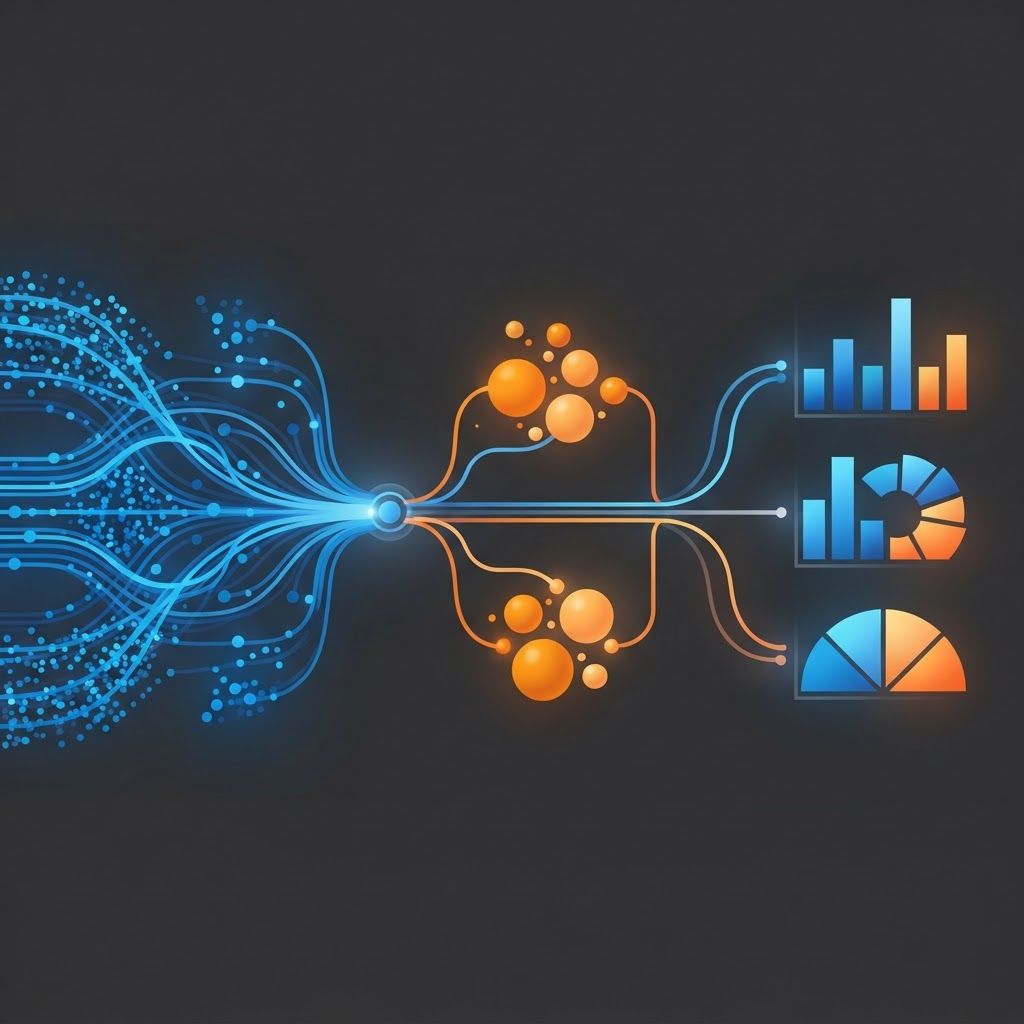
For anyone managing a large website, raw crawl data can be overwhelming. Thousands of URLs, countless technical metrics, and endless rows of information make it hard to know where to focus. Oncrawl's labelling feature solves this problem by letting SEO professionals segment pages into logical groups based on custom rules. Instead of analyzing a site as one undifferentiated mass, teams can slice it into categories that reflect how the business and its content actually work, transforming a chaotic dataset into clear, actionable insight.
How We at AAMAX.CO Use Advanced SEO Tooling
At AAMAX.CO, we combine enterprise crawling tools with hands-on expertise to help large websites perform at their best. As a full service digital marketing company offering web development, digital marketing, and SEO services worldwide, we know that great optimization depends on great data interpretation. When you hire AAMAX.CO, we use segmentation and labelling techniques to pinpoint exactly which sections of your site need attention, so every hour of technical work delivers measurable impact rather than guesswork.
What the Labelling Feature Actually Does
Oncrawl's labelling feature allows you to assign pages to defined groups based on URL patterns, page types, directories, or custom logic. For example, you can label all product pages, all blog articles, or all pages within a particular category. Once these labels are applied, every metric Oncrawl collects, from crawl depth to load time to internal linking, can be viewed through the lens of those segments. This turns broad site data into focused comparisons, letting you see how different types of pages perform relative to one another.
Faster, More Focused Technical Audits
Technical audits become dramatically more efficient when data is segmented. Instead of scanning an entire site for issues, you can immediately see which section carries the most problems. If your product pages have thin content or your blog has excessive crawl depth, labels surface these patterns instantly. This focus helps teams prioritize fixes by impact, addressing the segments that influence revenue or traffic most directly. The result is an audit process that is both faster and more strategically aligned with business goals.
Revealing Patterns Across Page Types
One of the most valuable outcomes of labelling is the ability to spot patterns that would otherwise stay hidden. When you compare segments side by side, you might discover that a certain category has poor internal linking, slower performance, or weaker indexation. These insights guide targeted improvements and help you understand how site architecture affects each content type. By seeing the site through meaningful groupings, you can make informed decisions about where to invest development and content resources for the greatest return.
Connecting Crawl Data With Real Performance
Labelling becomes even more powerful when combined with log file analysis and search performance data. By segmenting pages, you can compare how often search engines crawl each group against how much organic traffic those groups generate. This reveals crawl budget inefficiencies, such as bots spending time on low-value pages while important sections are under-crawled. Understanding these dynamics allows you to reshape internal linking and site structure so search engines focus on the pages that matter most to your digital marketing objectives.
Streamlining Collaboration and Reporting
Segmented data is easier to communicate to stakeholders who may not be technical. When you present findings by page type or business category, executives and content teams can immediately grasp where problems exist and why they matter. Labels create a shared vocabulary that aligns SEO specialists, developers, and marketers around the same priorities. This clarity improves collaboration, speeds up decision-making, and ensures that everyone understands how technical improvements connect to broader goals.
Scaling Optimization as Your Site Grows
As websites expand, manual analysis becomes impossible. Labelling systems scale gracefully because new pages automatically fall into existing segments based on your rules. This means your workflow remains organized even as your site grows into tens of thousands of URLs. Consistent segmentation also makes it easier to track progress over time, comparing how each section improves after optimization. For teams thinking ahead, aligning this structured data with GEO services ensures that well-organized content is also positioned for AI-driven search experiences.
Turning Segmentation Into Strategy
Oncrawl's labelling feature is more than a data-organization convenience; it is a strategic tool that transforms how SEO teams understand and improve large websites. By grouping pages into meaningful segments, you gain clarity, prioritize effectively, and communicate insights with confidence. Whether you are conducting a technical audit, optimizing crawl budget, or planning a site restructure, labels give you the focus needed to act decisively. When paired with experienced analysis, this feature turns overwhelming crawl data into a clear roadmap for sustainable organic growth.
Want to publish a guest post on aamax.co?
Place an order for a guest post or link insertion today.
Place an Order