

How Do AI Affect the Job Market
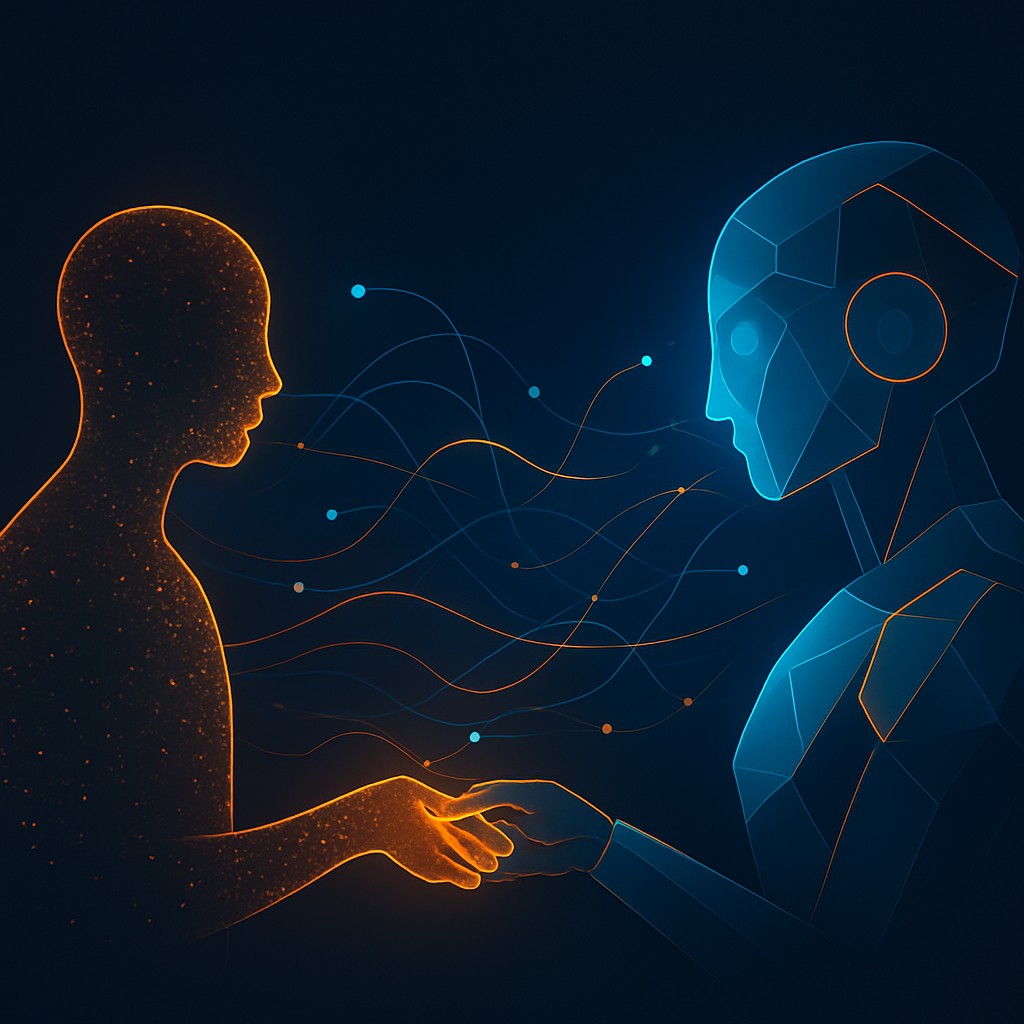
Few topics generate as much debate as the impact of artificial intelligence on the job market. Headlines swing between predictions of mass unemployment and promises of a productivity boom. The reality is more nuanced. AI is reshaping work by automating certain tasks, transforming many roles, and creating entirely new categories of jobs. Understanding this shift, rather than fearing or dismissing it, is the key to thriving in an AI-influenced economy where adaptability matters more than ever.
How We Can Help at AAMAX.CO
We are AAMAX.CO, a worldwide digital marketing and technology company that helps businesses adapt to the AI era. From AI-driven digital marketing to modern website development, we help organizations adopt AI in ways that augment their teams rather than replace them. If your business is navigating the changing world of work, we can help you build the digital capabilities to stay competitive and make AI a source of growth.
Automation of Routine Tasks
AI's most immediate effect is automating repetitive, rule-based tasks. Data entry, basic reporting, routine customer queries, and simple content production can increasingly be handled by AI systems. This doesn't always eliminate jobs outright; more often, it removes the tedious parts of a role, freeing workers to focus on higher-value activities. The challenge is that workers whose jobs are mostly routine face the greatest pressure to adapt and reskill toward more strategic work.
Transformation of Existing Roles
Most jobs won't disappear; they'll change. Marketers, analysts, designers, and developers now use AI tools daily, shifting their focus from manual execution to strategy, oversight, and creativity. The professionals who thrive are those who learn to collaborate with AI, treating it as a powerful assistant. This transformation raises the value of uniquely human skills like judgment, empathy, and complex problem-solving, which remain difficult for machines to replicate.
Creation of New Jobs
History shows that technological revolutions create jobs as well as displace them, and AI is no exception. New roles are emerging around AI strategy, prompt engineering, data governance, AI ethics, and model oversight. Entire industries are forming to build, deploy, and manage AI systems. Many of tomorrow's jobs don't exist yet, just as social media and app development roles were unimaginable decades ago, reminding us that disruption often expands opportunity over time.
The Growing Importance of Skills
As AI handles more routine work, the premium on adaptable skills rises. Digital literacy, critical thinking, and the ability to work alongside AI tools are becoming essential across industries. Continuous learning is no longer optional; workers and organizations that invest in upskilling will navigate the transition far more successfully than those who resist it. The skills gap, not AI itself, is the real risk for many workers and the businesses that employ them.
Impact Across Industries
AI's effect varies widely by sector. In marketing and technology, AI accelerates work and expands what small teams can achieve. In fields like healthcare and law, AI supports professionals with research and analysis while humans retain decision-making authority. For businesses, the opportunity lies in adopting AI strategically, often supported by experienced search engine optimization and marketing partners, to grow without simply cutting staff.
Balancing Opportunity and Responsibility
The transition to an AI-influenced economy raises important questions about fairness, retraining, and inclusion. Businesses that handle this responsibly, by investing in their people and redeploying talent thoughtfully, tend to build stronger, more loyal teams. Those that treat AI purely as a cost-cutting tool risk losing institutional knowledge and morale. A balanced approach that pairs technological adoption with genuine investment in workers creates the most durable competitive advantage.
Preparing for the Future of Work
The smartest response to AI is proactive adaptation. Individuals should build skills that complement automation, while businesses should integrate AI thoughtfully, redeploying talent toward strategy and customer value. Those who view AI as a collaborator rather than a threat will find more opportunity than disruption. Preparation, not panic, defines the winners in this transition, and the best time to start adapting is now.
What Businesses Can Do Today
Organizations don't have to wait to respond to AI's impact on work. They can start by auditing which tasks are repetitive and ripe for automation, then reinvesting the time saved into higher-value activities. They can offer training that helps employees work confidently alongside AI tools, and they can redesign roles to emphasize the creativity, judgment, and relationship skills that machines lack. Forward-thinking businesses also communicate openly with their teams about how AI will be used, reducing fear and building buy-in. By taking these steps now, companies position themselves to gain AI's productivity benefits while retaining and growing the talented people who make those benefits possible in the first place.
Conclusion
AI is reshaping the job market by automating tasks, transforming roles, and creating new opportunities, all at once. The outcome for any worker or business depends largely on willingness to adapt and learn. If your organization wants to embrace AI to grow and compete, our team is ready to help you build the digital foundation for the future of work.
Want to publish a guest post on aamax.co?
Place an order for a guest post or link insertion today.
Place an Order