

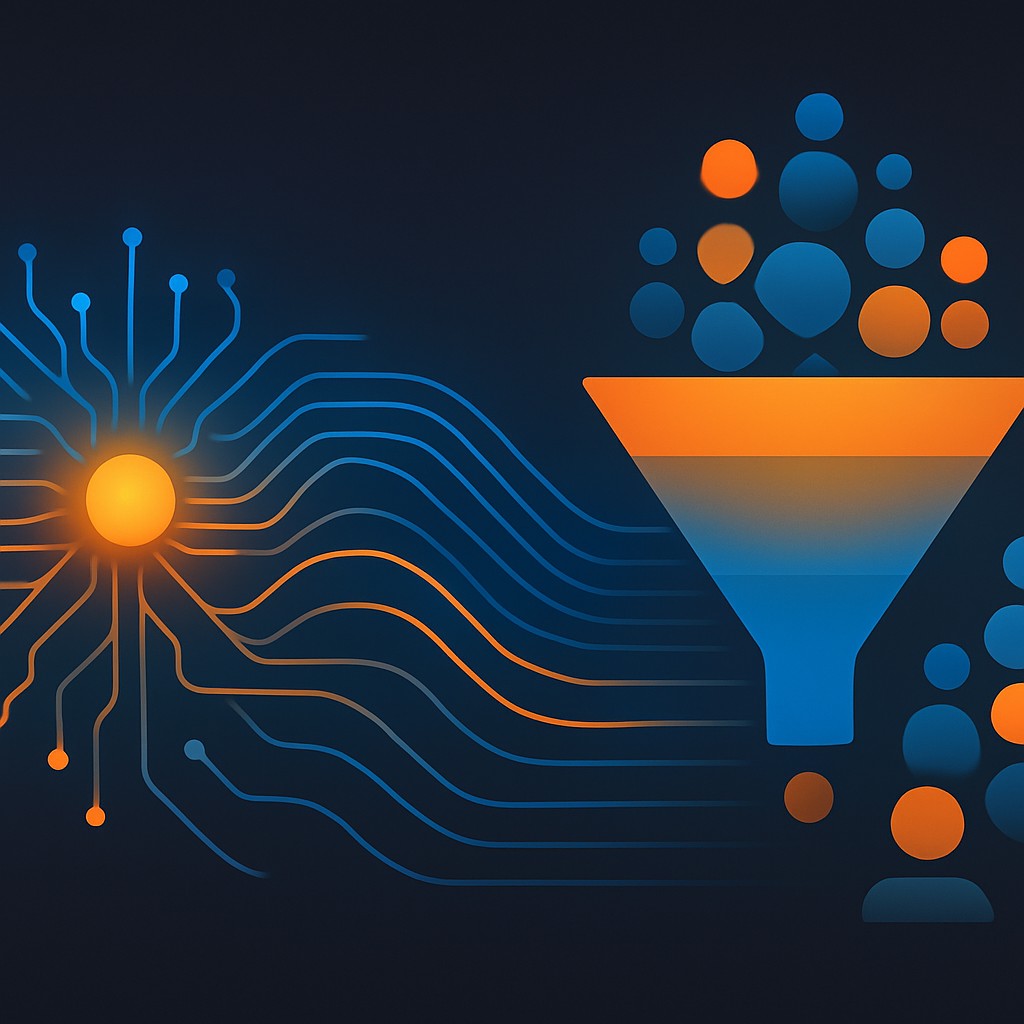
How AI Is Transforming Marketing
Artificial intelligence has moved from a futuristic buzzword to the operational core of modern marketing. Where teams once relied on gut feeling, manual segmentation, and slow reporting cycles, AI now powers real-time personalization, predictive targeting, and content creation at a scale no human team could match. The result is a fundamental shift in how brands understand customers, craft messages, and allocate budgets. Marketers who embrace these tools are not just working faster, they are making smarter decisions backed by data that updates continuously.
Partner With AAMAX.CO to Lead the AI Marketing Shift
At AAMAX.CO, we help brands turn the promise of AI into measurable growth. As a full service digital marketing company serving clients worldwide, we combine machine learning insights with human strategy to build campaigns that actually convert. Whether you need intelligent audience targeting, automated content workflows, or end-to-end digital marketing support, our team designs AI-driven systems tailored to your goals so you can transform your marketing without the guesswork.
From Mass Messaging to Hyper-Personalization
Traditional marketing forced brands to speak to broad segments with a single message. AI changes that by analyzing behavioral signals, purchase history, and engagement patterns to deliver individualized experiences. Recommendation engines, dynamic email content, and adaptive landing pages now respond to each visitor in real time. This level of personalization increases relevance, lifts conversion rates, and deepens customer loyalty because people feel understood rather than marketed to.
Smarter Audience Research and Prediction
AI excels at finding patterns hidden in massive datasets. Predictive analytics models can forecast which leads are most likely to convert, which customers are at risk of churning, and what products an individual is likely to buy next. Marketers use these insights to prioritize high-value prospects, time their outreach precisely, and reduce wasted spend. Instead of reacting to last quarter's numbers, teams can anticipate behavior and act before competitors do.
Content Creation at Scale
Generative AI has dramatically lowered the cost and time required to produce marketing assets. From first-draft blog posts and ad copy to product descriptions and social captions, AI tools accelerate the creative process while keeping output consistent with brand voice. Human marketers still provide the strategy, editing, and emotional nuance, but they are freed from repetitive production work and can focus on big-picture campaigns and storytelling.
Automated Optimization and Media Buying
Programmatic advertising platforms use AI to bid on ad inventory, test creative variations, and reallocate budget toward the best-performing placements automatically. These systems run thousands of micro-experiments that would be impossible to manage manually. The outcome is higher return on ad spend, faster learning cycles, and campaigns that continuously improve without constant hands-on adjustment.
Better Measurement and Attribution
Understanding which touchpoints actually drive revenue has always been one of marketing's hardest problems. AI-powered attribution models analyze the full customer journey across channels and devices to assign credit more accurately. Marketers gain a clearer picture of what works, enabling smarter budget decisions and more honest reporting to stakeholders.
Challenges to Navigate
The transformation is not without risks. Data privacy regulations, algorithmic bias, and over-reliance on automation can all undermine results if handled poorly. Successful brands pair AI capabilities with strong governance, transparent data practices, and human oversight. The goal is augmentation, not replacement, ensuring technology amplifies human creativity rather than diluting it.
Real-World Use Cases Driving Results
The impact of AI on marketing is best understood through concrete examples. Retailers use recommendation engines to increase average order value by suggesting complementary products. Subscription businesses deploy churn-prediction models to intervene with at-risk customers before they cancel. Media companies use AI to personalize homepages so each visitor sees the stories most likely to interest them. B2B firms apply lead scoring to route the hottest prospects to sales instantly. In each case, AI turns abundant data into timely, relevant action that would be impossible to coordinate manually, and the measurable lift in revenue and retention is what makes the technology so compelling.
How to Begin Your AI Marketing Journey
Adopting AI does not require a complete overhaul overnight. The smartest approach is to start with a single high-impact use case, such as email personalization or ad optimization, prove the value, and expand from there. Begin by auditing your data, since clean and well-organized data is the fuel every AI system depends on. Next, choose tools that integrate with your existing stack and align with clear business goals. Finally, build in human oversight so your team can guide, validate, and refine what the technology produces. This measured, goal-driven path delivers wins quickly while building the foundation for broader transformation.
Conclusion
AI is no longer optional for competitive marketing teams, it is the engine driving personalization, efficiency, and measurable results. Brands that adopt these tools thoughtfully will outpace those clinging to legacy methods. If you are ready to modernize your strategy and harness AI for real business growth, our team is here to guide every step of the journey.
Want to publish a guest post on aamax.co?
Place an order for a guest post or link insertion today.
Place an Order