

How AI Has Affected the Job Market
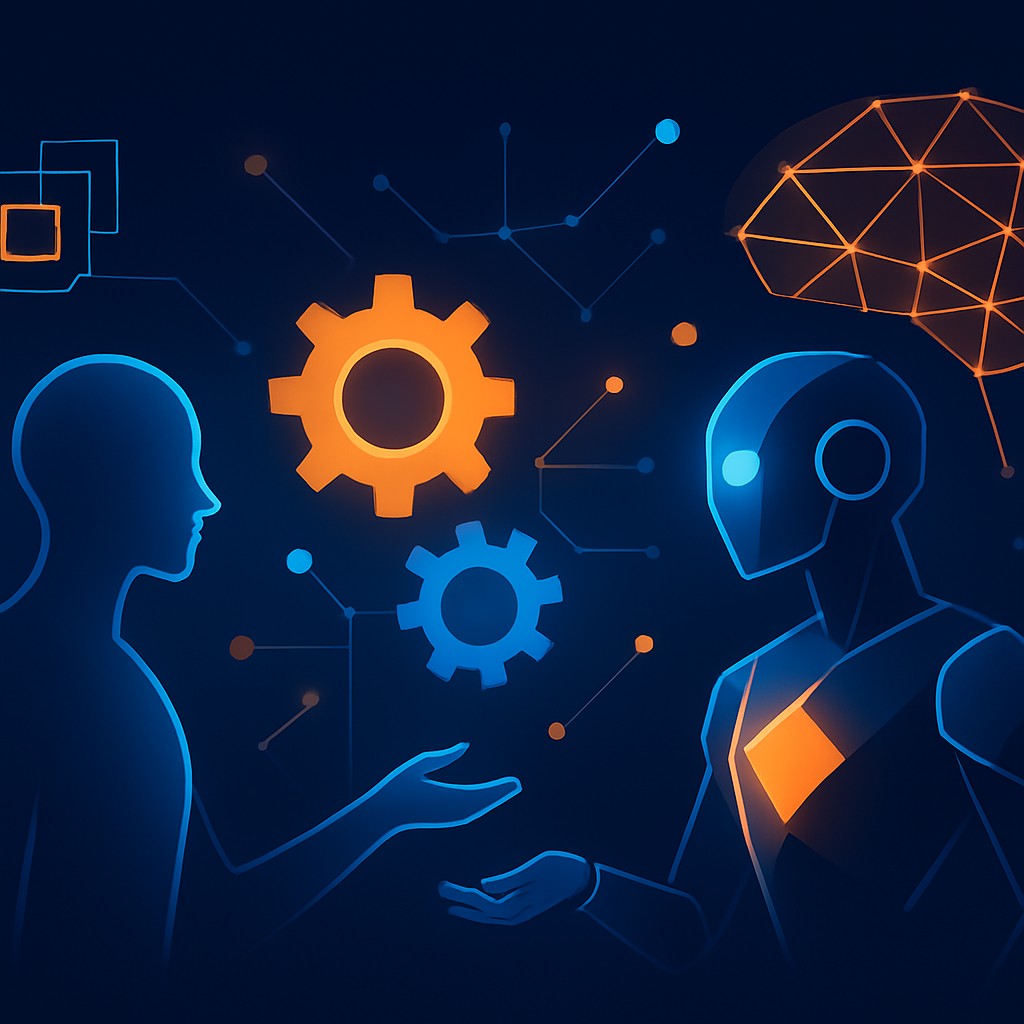
Few technologies have stirred as much debate about the future of work as artificial intelligence. While headlines often focus on job displacement, the reality is more nuanced. AI is transforming the job market by automating some tasks, augmenting others, and creating entirely new roles. This article takes a balanced look at how AI has affected the job market and what it means for workers and businesses alike.
Adapt to the AI Economy With AAMAX.CO
At AAMAX.CO, we help businesses adopt AI in ways that boost productivity and create new opportunities rather than simply cutting costs. As a worldwide full-service digital marketing company, we guide organizations through the practical adoption of AI in marketing and operations. Our digital marketing team can help your business stay competitive in an AI-driven economy.
Automation of Routine Tasks
AI is most disruptive to roles built around repetitive, predictable tasks. Data entry, basic customer service, and routine analysis are increasingly automated. However, automation rarely eliminates entire jobs outright; more often it removes specific tasks, allowing workers to focus on higher-value activities that require judgment, creativity, and human connection.
Augmentation Over Replacement
For many professionals, AI acts as a powerful assistant rather than a replacement. Marketers use AI to generate content ideas, analysts use it to surface insights, and developers use it to write code faster. This augmentation makes workers more productive and capable, often expanding what they can accomplish rather than rendering them obsolete.
New Roles and Industries
Every major technological shift creates new kinds of work, and AI is no exception. Roles like prompt engineers, AI ethicists, machine learning specialists, and AI implementation consultants did not exist a few years ago. Demand for professionals who can build, manage, and apply AI responsibly continues to grow rapidly across industries.
The Shift in Required Skills
As AI handles more routine work, the skills employers value are shifting. Critical thinking, creativity, emotional intelligence, and the ability to collaborate with AI tools are increasingly important. Technical literacy, even at a basic level, is becoming valuable across nearly every profession, not just in technology roles.
Impact Across Industries
AI's effect varies by sector. In marketing, it automates analysis and content production while elevating strategic roles. In healthcare, it supports diagnosis while clinicians focus on patient care. In manufacturing, it optimizes processes while workers oversee and maintain systems. Across the board, the pattern is augmentation paired with evolving responsibilities.
Preparing for the Future of Work
The best response to AI-driven change is continuous learning. Workers who develop adaptable skills and embrace AI as a tool position themselves for success. Businesses, meanwhile, benefit from investing in reskilling their teams, ensuring employees can work effectively alongside AI rather than being displaced by it.
Opportunities for Businesses
For businesses, AI offers a chance to increase productivity, improve quality, and free employees to focus on strategic work. Companies that thoughtfully integrate AI, supporting their workforce through the transition, gain a significant competitive advantage while building more resilient and capable teams.
Conclusion
AI has affected the job market profoundly, automating routine tasks, augmenting human capabilities, and creating new opportunities. Rather than a simple story of replacement, the reality is one of transformation and adaptation. If you want to adopt AI in ways that strengthen your business and your team, our team at AAMAX.CO is here to help you make the transition successfully.
Want to publish a guest post on aamax.co?
Place an order for a guest post or link insertion today.
Place an Order