

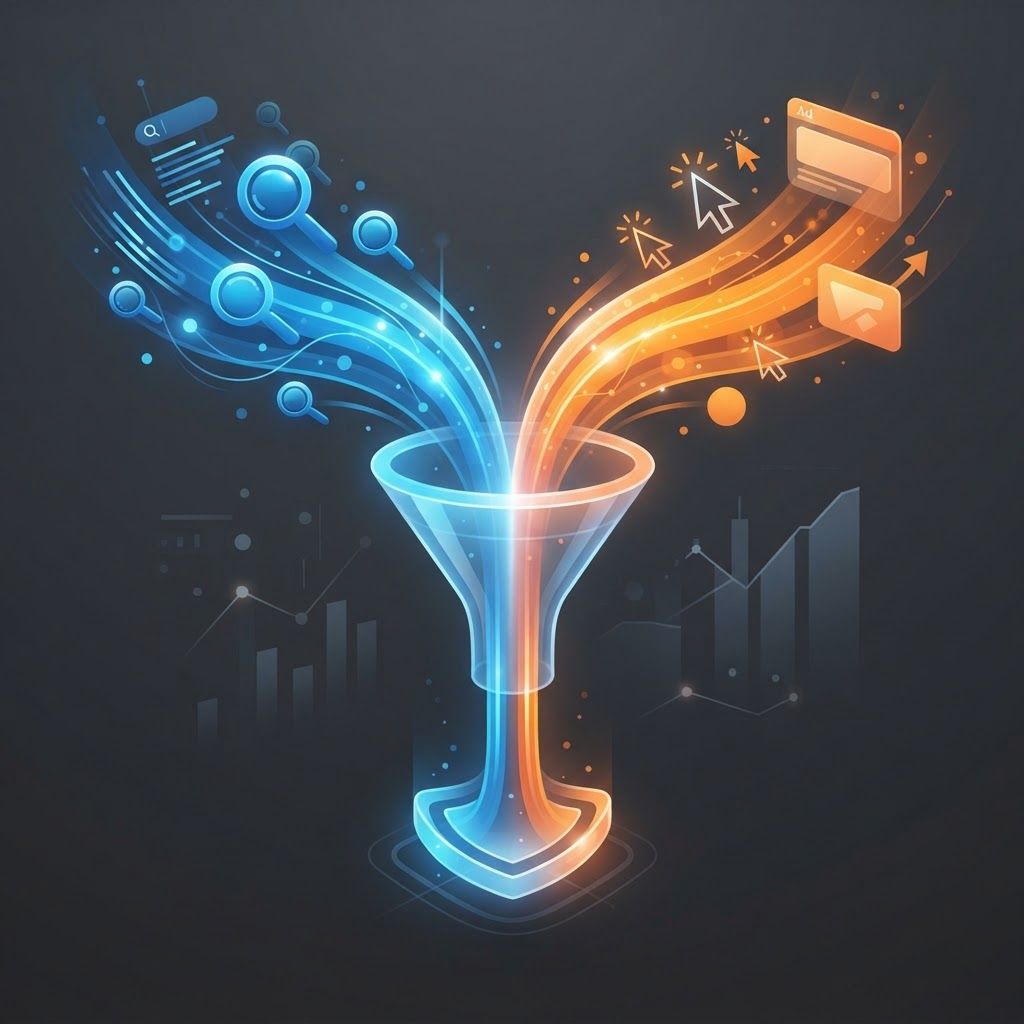
How Agencies Integrate SEO and Paid Advertising Strategies
Search engine optimization and paid advertising are often treated as separate, even competing, disciplines. One is seen as the slow, compounding path to organic visibility, the other as the fast, controllable route to immediate traffic. In truth, the most sophisticated agencies recognize that these two channels are far more powerful together than apart. By integrating SEO and paid advertising, they create strategies where each channel informs, supports, and amplifies the other, delivering results neither could achieve alone.
This article explains how agencies unite organic and paid search into a coordinated strategy and why that integration produces superior outcomes.
How We Combine Organic and Paid for Maximum Impact
At AAMAX we design search strategies that treat SEO and paid advertising as partners rather than rivals. As a full-service digital marketing company offering web development, digital marketing, and SEO worldwide, we coordinate organic and paid efforts so they share insights, cover gaps, and reinforce one another. Our SEO services work hand in hand with paid campaigns to maximize your total search presence, capturing both the immediate wins of advertising and the lasting value of organic visibility. The result is a strategy that performs in the short term and grows stronger over time.
Why Integration Beats Isolation
When SEO and paid advertising operate in silos, opportunities are lost and effort is duplicated. Integrated, they complement each other's strengths and weaknesses. Paid advertising delivers immediate visibility and precise control, ideal for launches, promotions, and competitive terms, while SEO builds durable, cost-effective visibility that keeps working over time. Together they cover both the urgent and the enduring, ensuring a brand is present across the full spectrum of search.
Occupying both organic and paid positions also increases overall presence on the results page. When a brand appears in both the ads and the organic listings, it gains greater visibility, reinforces credibility, and captures more of the available attention, often improving performance across both channels simultaneously.
Sharing Data Between Channels
One of the greatest benefits of integration is the sharing of data. Paid campaigns generate fast, clear feedback on which keywords and messages convert, and agencies feed these insights into SEO strategy to prioritize the most valuable organic targets. Conversely, organic search data reveals which topics attract and engage audiences, informing paid targeting and ad copy.
This exchange accelerates learning for both channels. Rather than each discipline testing in isolation, they pool their intelligence, allowing agencies to make smarter decisions faster. Testing headlines and calls to action in paid ads, for example, can reveal messaging that then improves organic titles and content, and vice versa.
Covering Gaps and Reducing Risk
SEO takes time to build, and rankings can fluctuate with algorithm changes, so relying on it alone leaves gaps. Paid advertising fills those gaps, providing visibility for new content while it earns organic traction and maintaining presence for competitive terms where organic ranking is difficult. This coverage reduces the risk of sudden drops in traffic and ensures consistent visibility.
Integration also allows agencies to adjust the balance strategically. When organic rankings are strong for a term, paid spend can be reduced or redirected; when organic visibility is weak or a quick push is needed, paid can step in. This flexibility optimizes budget and ensures resources flow to where they deliver the most value at any given moment.
Coordinating Messaging and Landing Experiences
A unified strategy ensures consistent messaging across paid and organic touchpoints. When ads and organic listings present a coherent message, and when landing pages are optimized for both conversion and search, the entire experience feels seamless to users. Agencies align these elements so that whether a visitor arrives through an ad or an organic link, they encounter a consistent, compelling experience.
Landing pages built with both channels in mind serve double duty, converting paid traffic effectively while also ranking organically. This efficiency stretches budgets further and ensures that investment in landing pages benefits both channels rather than just one.
Measuring the Combined Effect
Agencies measure integrated strategies holistically, looking at total search visibility, combined traffic, and overall return rather than judging each channel in isolation. This perspective reveals how the channels influence each other, such as how paid presence can lift organic click-through or how strong organic rankings can reduce the cost of paid dominance. Understanding these interactions allows continuous refinement of the balance between the two.
By attributing results across the full search journey, agencies demonstrate the true value of integration and make informed decisions about where to invest next. This comprehensive measurement is what turns two separate channels into one optimized, high-performing strategy.
Conclusion
Agencies integrate SEO and paid advertising by sharing data, covering each other's gaps, coordinating messaging, and measuring their combined impact. Rather than competing for budget, the two channels reinforce one another to maximize visibility and results across the entire search landscape. If you want a coordinated search strategy that captures immediate wins while building lasting organic strength, our team is ready to unite your organic and paid efforts into one powerful whole.
Want to publish a guest post on aamax.co?
Place an order for a guest post or link insertion today.
Place an Order