

Does Search Engine Marketing Include SEO
Two Definitions, One Source of Confusion
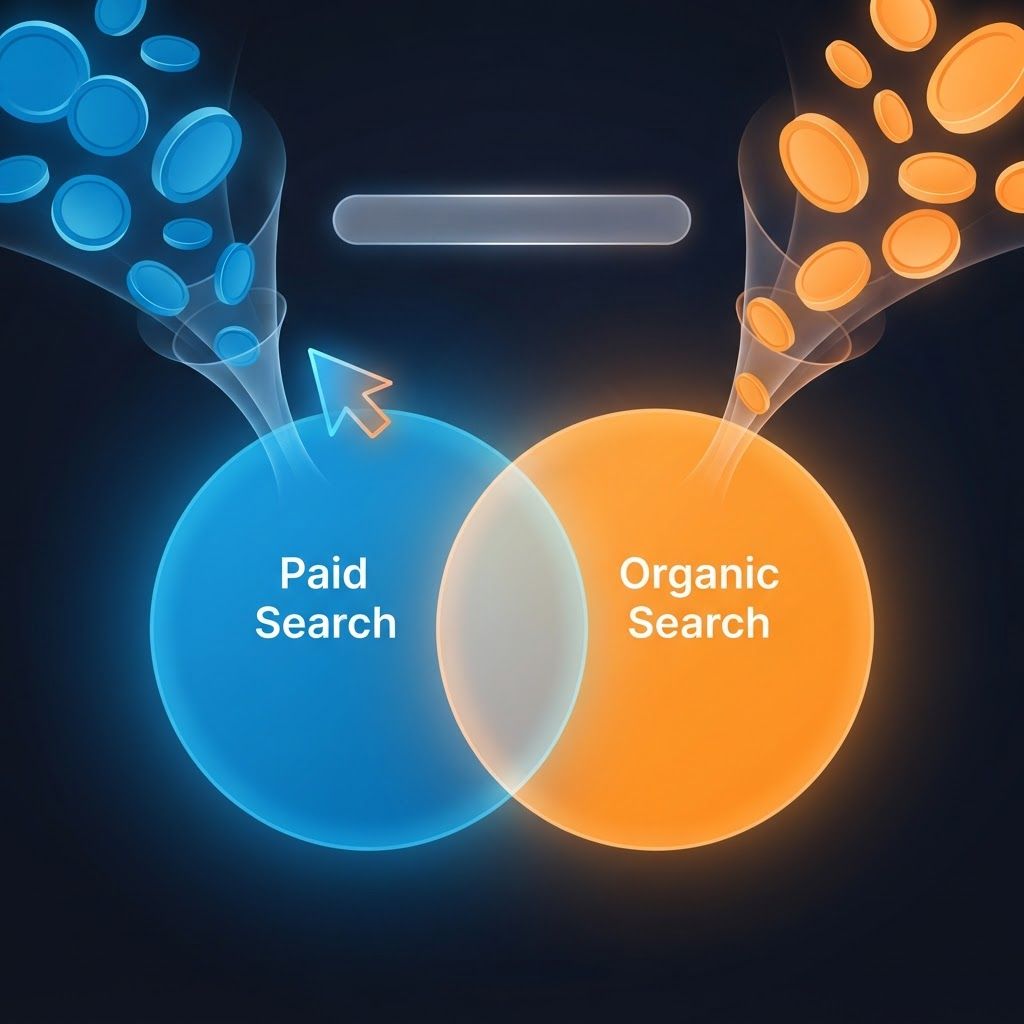
Ask five marketers whether search engine marketing includes search engine optimisation and you will get three answers. The confusion is real and it has practical consequences, because it shapes how budgets are allocated and what a person actually does when they are hired into a search role. Historically, search engine marketing was the umbrella term covering every activity aimed at gaining visibility in search results, both paid and organic. Over time, industry usage narrowed and many practitioners now use search engine marketing to mean paid search specifically, treating organic optimisation as a separate discipline. Under the broad definition, the answer is yes: optimisation is a component of search marketing. Under the common modern usage, the answer is no: search engine marketing means the paid side, and optimisation sits beside it.
How AAMAX.CO Handles Paid and Organic Together
The definitional debate matters less than the coordination, and coordination is how we work at AAMAX.CO. We plan paid search and organic search against a single keyword and funnel strategy, so paid campaigns cover the commercial terms that need immediate coverage while organic work builds durable visibility for the queries that should not require ongoing spend. Shared data flows both ways: conversion data from paid informs which pages we prioritise organically, and query data from organic informs where paid budget is wasted. If you want both channels pulling in the same direction, our digital marketing team can build and run the combined plan.
What Paid Search Involves
Paid search means bidding to appear in the advertising slots on a results page. You choose keywords and match types, write ad copy and extensions, set bids or let automated bidding pursue a target, define audiences and geographies, and build landing pages designed to convert the traffic you buy. Its defining characteristics are speed and control. A campaign can be live within a day, you can test messaging quickly, you can control exactly which queries you appear for, and you can scale spend up or down. Its defining limitation is that visibility ends the moment payment stops, and costs rise as competitors bid more aggressively.
What Organic Search Involves
Organic optimisation aims to earn the unpaid positions. It covers technical health so pages can be crawled, indexed and rendered; on-page work including keyword mapping, content depth, titles, headings and internal linking; content production that genuinely satisfies search intent; authority building through links, mentions and brand presence; and local signals where geography matters. Its defining characteristic is compounding. Results take longer to arrive and are less directly controllable, but a page that earns a strong position keeps delivering traffic without a per-click cost, and the asset appreciates as the site's authority grows.
The Honest Comparison
Neither channel is objectively better; they answer different questions. Paid search wins on speed to first result, precision of targeting, ease of testing and predictability of volume. Organic search wins on cost per acquisition over time, share of total clicks for informational queries, credibility with users who skip ads, and durability of the asset you build. Paid traffic stops instantly when the budget stops; organic traffic decays slowly if neglected but rarely disappears overnight. Paid costs scale linearly with volume; organic costs are largely front-loaded. Understanding these differences is what lets you assign each channel the job it is genuinely good at.
Why Running Both Outperforms Either Alone
The two channels reinforce each other in ways that are easy to miss. Paid search gives you conversion data on exact keywords within weeks, which is the fastest reliable way to learn which organic targets are commercially worth pursuing. Appearing in both the ad and the organic results for a query increases total click share and reinforces brand credibility. Paid remarketing can recapture visitors who arrived through organic content but were not ready to buy. Organic content improves the quality and conversion rate of paid landing pages, which can reduce cost per acquisition. And when organic rankings dip during a redesign or an algorithm update, paid provides a safety net that keeps enquiries flowing while you recover.
How to Split Your Budget
The right allocation depends on your situation rather than a universal ratio. If you are new, have no organic visibility and need revenue this quarter, weight heavily toward paid while building organic foundations in parallel, because organic will not save a business that needs sales in six weeks. If you have established rankings and a healthy content engine, shift budget toward paid coverage of high-intent commercial terms and let organic carry informational demand. If your market has very expensive clicks, organic becomes strategically essential because paid economics deteriorate as you scale. If your product requires long consideration, invest in organic content that educates and use paid to capture the moment of decision. Review the split quarterly against blended cost per acquisition rather than channel-level vanity metrics.
Measuring Across Both Channels
Judging paid and organic in isolation leads to bad decisions, because customers routinely touch both before converting. Track blended cost per acquisition across all search activity, look at assisted conversions rather than last click alone, and monitor overall search visibility for your priority keyword set including both ad and organic presence. Watch for cannibalisation where paid spend buys clicks you would have received organically anyway, which is worth testing by pausing ads on terms where you already hold a top organic position. Then watch what happens to total conversions, not just paid conversions.
The New Layer: AI-Generated Answers
The distinction between paid and organic is being complicated by a third surface. Search results increasingly include AI-generated summaries, and assistants answer questions without sending a click at all. Visibility in those answers depends on being a clearly structured, citable, authoritative source rather than on bidding. This is prompting many businesses to add a third workstream alongside paid and organic, focused specifically on being represented accurately in generative results, and it is why GEO services have become part of serious search strategy rather than an experiment.
Final Thoughts
So does search engine marketing include SEO? Under the traditional umbrella definition, yes; under common modern usage, search engine marketing means paid search and optimisation is its counterpart. What matters far more than the label is that both disciplines target the same audience at the same moment of intent and perform best when planned together. Use paid for speed, control and learning, use organic for compounding, durable visibility, and measure the combination. If you want one team running both with a single strategy, hire AAMAX.CO and we will align them for you.
Want to publish a guest post on aamax.co?
Place an order for a guest post or link insertion today.
Place an Order