

Does Linking to Your Pages Within Your Website Boost SEO
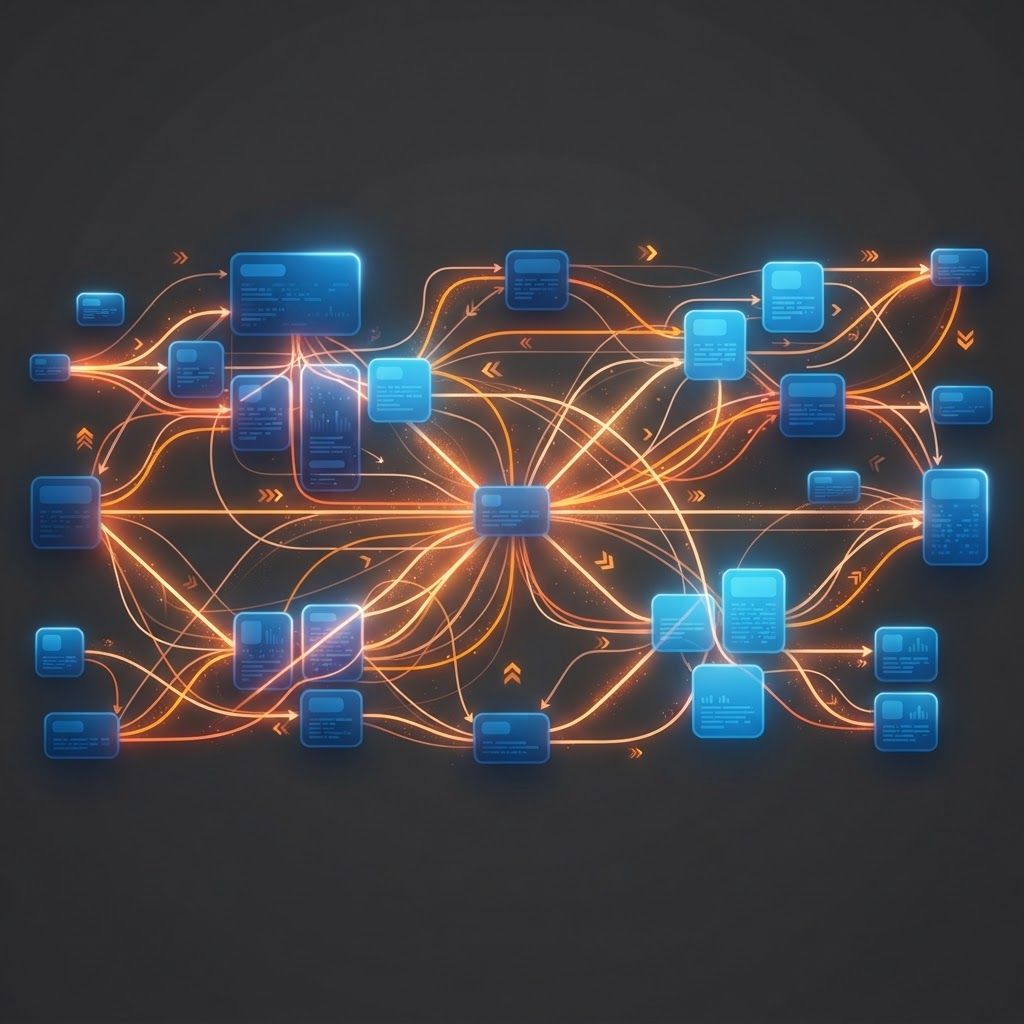
Internal linking is one of the most powerful yet consistently underused tools in search engine optimization. While much attention goes to earning links from other websites, the links you place between your own pages carry significant weight in shaping how search engines crawl, understand, and rank your content. The answer to whether internal linking boosts your visibility is a confident yes, and the reasons are both structural and strategic. When you connect your pages thoughtfully, you are actively guiding search engines and visitors toward the content that matters most.
An internal link is simply a link from one page on your website to another page on the same website. This might sound trivial, but the cumulative effect of a well-planned internal linking strategy can transform how your site performs.
How AAMAX.CO Uses Internal Linking to Drive Rankings
At AAMAX.CO, we treat internal linking as a core part of every optimization strategy, not a finishing touch. As a full service digital marketing company offering web development, digital marketing, and SEO services worldwide, we map out how authority should flow through a website so that priority pages get the support they need. When you hire us for search engine optimization, we build internal linking structures that strengthen your most valuable pages and make your entire site easier to understand. If your content feels disconnected, we can help you tie it together.
How Internal Links Distribute Authority
Every page on your website holds a certain amount of authority, and internal links pass a portion of that value from one page to another. When a strong, well-linked page points to another page, it shares some of its strength. This means you can strategically funnel authority toward the pages you most want to rank. A high-traffic article, for example, can link to a related service or product page, lending it credibility and helping it compete more effectively in search results.
Helping Search Engines Discover and Crawl Content
Search engines discover pages by following links. If a page has no internal links pointing to it, it becomes an orphan that is difficult for crawlers to find and may be overlooked entirely. Internal links create clear pathways that allow search engines to discover new content quickly and revisit important pages regularly. The more logically connected your site is, the more efficiently it can be crawled, which improves the chances that your content is indexed and kept fresh in search results.
Establishing Context and Relevance
Internal links do more than pass authority; they also communicate meaning. The words you use in a link, known as anchor text, tell search engines what the linked page is about. When you link to a page using descriptive, relevant anchor text, you reinforce the topic of that page and help search engines understand its subject. This contextual signaling is a subtle but powerful way to strengthen your relevance for the terms that matter to your business, and it is a cornerstone of thoughtful digital marketing.
Building Topical Authority Through Content Clusters
One of the most effective internal linking strategies is organizing content into clusters. In this model, a comprehensive central page covers a broad topic, and multiple supporting pages cover specific subtopics in depth. These supporting pages link back to the central page and to one another, creating a tightly connected web of related content. This structure signals to search engines that your site has genuine depth and expertise on the subject, which can lift the entire cluster in the results. It also helps visitors explore a topic thoroughly, increasing engagement and time on site.
Best Practices for Internal Linking
To get the most from internal linking, approach it with intention rather than randomly scattering links. Link from relevant content to relevant content so the connection makes sense to both people and search engines. Use descriptive anchor text that reflects the destination page rather than generic phrases. Prioritize linking to your most important pages so they receive strong internal support. Avoid overloading a single page with an excessive number of links, since too many dilute the value each one passes. Regularly audit your site to find and fix orphan pages and broken links, keeping the structure healthy.
Common Internal Linking Mistakes
Several missteps can undermine your efforts. Using the same generic anchor text everywhere wastes an opportunity to signal relevance. Leaving valuable pages without any internal links makes them hard to find. Linking excessively for its own sake creates a cluttered experience and weakens the impact of important links. Ignoring the natural flow of content and forcing links where they do not belong can frustrate visitors. The best internal links feel helpful and natural, guiding readers to genuinely related content.
The Long-Term Value of a Strong Internal Structure
Unlike some tactics that require constant external effort, internal linking is fully within your control. Every new piece of content is an opportunity to strengthen your existing pages and to receive support from them in return. Over time, a well-maintained internal linking strategy compounds, creating a resilient site structure that consistently supports your visibility. It is one of the highest-leverage activities in SEO precisely because it costs nothing but attention and delivers durable results.
Conclusion
So, does linking to your pages within your website boost SEO? Absolutely. Internal linking distributes authority, improves crawling and discovery, reinforces relevance, and builds topical depth, all of which support stronger rankings. It is a tactic that rewards planning and consistency, and it remains entirely in your hands. If you want a partner to design and maintain an internal linking strategy that maximizes the value of every page you publish, we at AAMAX.CO are here to help.
Want to publish a guest post on aamax.co?
Place an order for a guest post or link insertion today.
Place an Order