

Does It Matter for SEO if H2 Comes Before H1
Heading hierarchy is one of those technical SEO details that generates a surprising amount of debate. Developers and content creators frequently ask whether it matters if an H2 appears before an H1 in the code or on the page, and whether search engines penalize a broken heading order. The honest answer is that modern search engines are quite forgiving, but a logical heading structure still matters for accessibility, user experience and content clarity, all of which indirectly influence rankings. Getting the hierarchy right is a low-effort, high-value practice worth adopting.
In this article we explain how search engines actually treat heading order, why hierarchy still matters, and how to structure your headings so your content is both crawlable and accessible.
How We Can Help With SEO Services
At AAMAX.CO we handle the technical details that many teams overlook, from heading hierarchy to structured data and site architecture. As a full-service digital marketing company offering web development, digital marketing and SEO services worldwide, we audit your templates and content to ensure every page communicates clearly to both users and crawlers. If you want a technically sound site that supports your content strategy, hire us to build the foundation right.
How Search Engines Interpret Headings
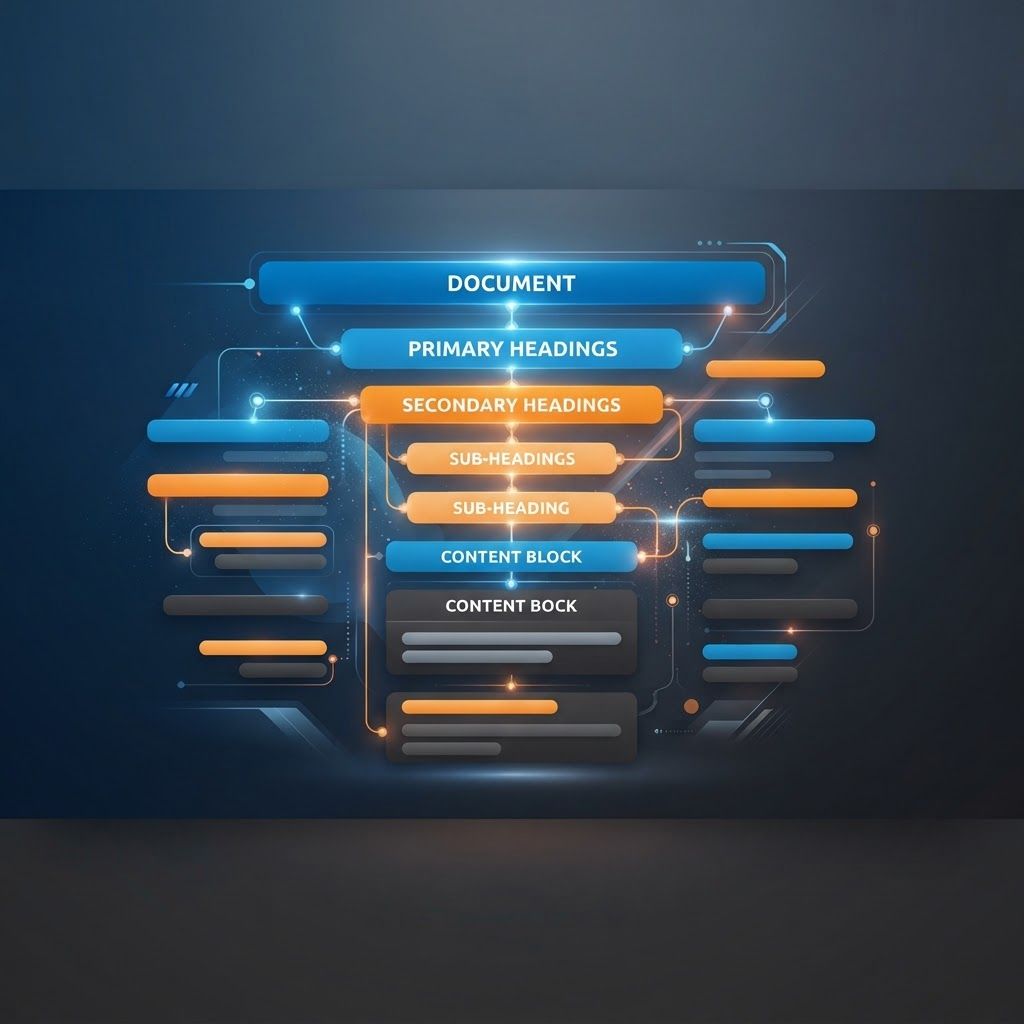
Search engines use headings to understand the structure and topical hierarchy of a page. The H1 traditionally signals the main topic, while H2 and H3 tags break the content into logical sections and subsections. This hierarchy helps crawlers grasp what the page is about and how its ideas relate. Historically, having a single, descriptive H1 at the top was considered a firm best practice.
However, search engines have grown far more sophisticated. Google has stated that it can understand content even when headings are used unconventionally, and that having multiple H1 tags or an unusual order will not directly harm your rankings in most cases. The algorithm reads the whole page context rather than relying rigidly on tag order. So if an H2 appears before an H1 due to a template quirk, it is unlikely to cause a direct ranking penalty.
Why Heading Order Still Matters
Even though there is no direct penalty, heading order is far from irrelevant. Accessibility is the most important reason to get it right. Screen readers rely on heading hierarchy to help visually impaired users navigate a page. When headings appear out of order, the reading experience becomes confusing and disorienting, which harms real users and can expose your organization to accessibility compliance issues.
User experience for all visitors also benefits from a clear hierarchy. Well-structured headings let readers scan a page, understand its organization and jump to the section they need. This improves engagement metrics such as time on page and reduces bounce rates, signals that correlate with better rankings. Thoughtful structure is a quiet but genuine contributor to effective search engine optimization because it keeps users satisfied.
The Difference Between Visual and Code Order
An important distinction is between the visual order on the rendered page and the order in the underlying HTML. Sometimes a design places a subheading above the main title visually, while the code still lists the H1 first. In other cases, CSS or JavaScript rearranges elements so the visual and code order diverge. Search engines primarily read the HTML, so a logically ordered code structure is what matters most, but you should aim for both the code and the visual presentation to follow a sensible flow.
How to Structure Headings Correctly
Use one H1 per page that clearly describes the main topic, and place it near the top so it introduces the content. Follow with H2 tags for major sections and H3 tags for subsections nested logically beneath them. Do not skip levels arbitrarily, such as jumping from H1 to H4, because that breaks the hierarchy screen readers depend on. Reserve headings for actual structure rather than using them to make text large, which is a job for CSS.
Write descriptive headings that summarize the section and, where natural, include relevant keywords. This helps both readers and search engines understand your content and supports the topical clarity that a strong digital marketing content program relies on. Consistent heading templates across your site also make maintenance easier and reduce the risk of accidental hierarchy errors.
Looking Ahead to AI Search
As generative and AI-driven search extracts answers directly from pages, clear structure becomes even more valuable. Systems that summarize content rely on well-defined sections to identify relevant passages, so a logical heading hierarchy improves your chances of being accurately quoted. Teams investing in GEO services treat clean structure as a prerequisite for visibility in these emerging results.
Final Thoughts
Having an H2 appear before an H1 will not usually trigger a direct ranking penalty, because modern search engines interpret pages holistically. However, a clear and logical heading hierarchy remains a best practice because it supports accessibility, improves user experience and helps both crawlers and AI systems understand your content. Structure your headings thoughtfully, keep the code order sensible, and you protect both your users and your rankings. If you would like an expert review of your site's technical structure, our team is ready to help.
Want to publish a guest post on aamax.co?
Place an order for a guest post or link insertion today.
Place an Order