

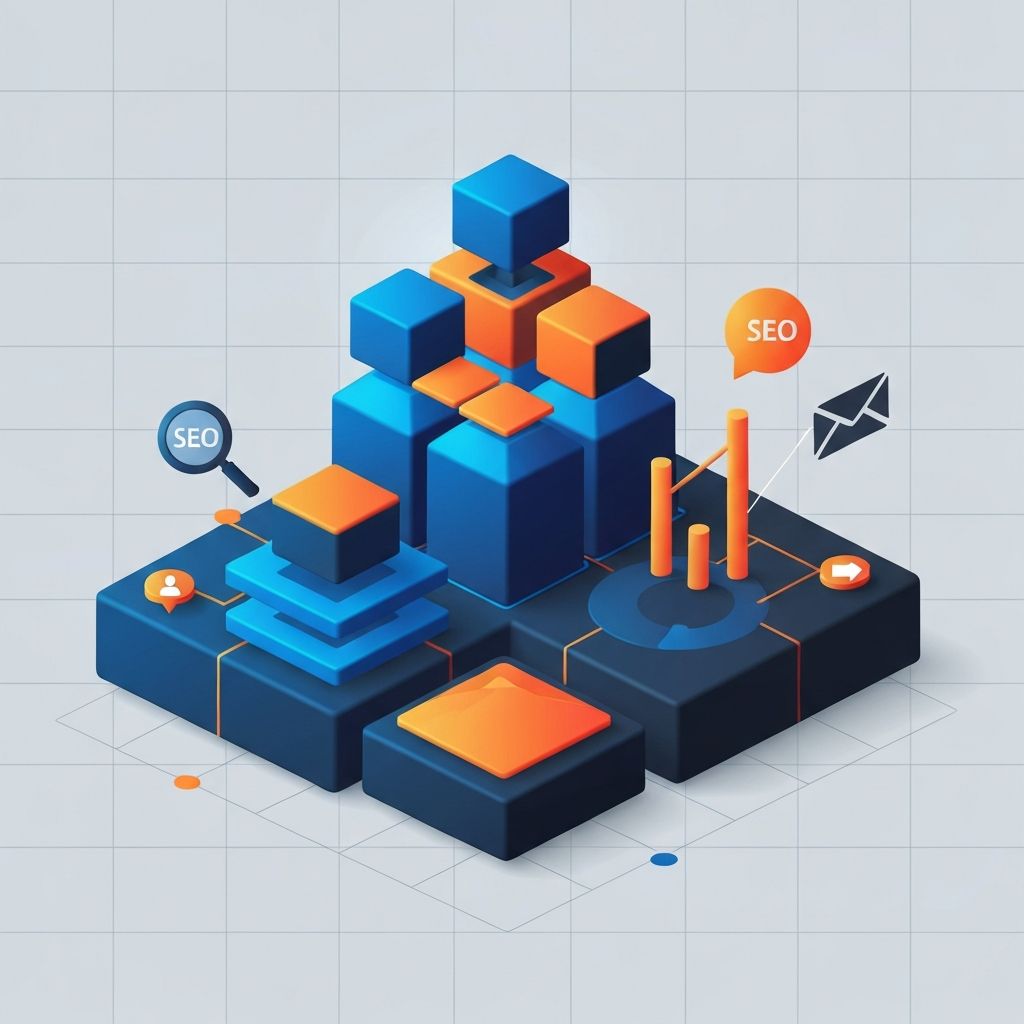
Digital Marketing Framework
Why Every Business Needs a Digital Marketing Framework
Most businesses approach digital marketing tactically. They run ads when sales slow, post on social media when they remember, and update their website every few years. The result is inconsistent results, wasted budget, and constant frustration. The solution is a digital marketing framework, a structured, repeatable approach that aligns strategy, channels, content, and measurement around clear business goals.
At AAMAX.CO, we help businesses of every size build and execute proven digital marketing frameworks that deliver predictable, scalable growth.
The Five Pillars of an Effective Framework
While every business has unique needs, effective digital marketing frameworks share five core pillars: strategy, audience, channels, content, and measurement. Each pillar reinforces the others, and weakness in any one undermines the entire system.
Pillar One: Strategy and Goals
Every framework begins with clarity. What are you trying to achieve? Common digital marketing goals include increasing brand awareness, generating qualified leads, driving e-commerce sales, improving customer retention, or expanding into new markets. Without specific, measurable goals, marketing becomes an expense rather than an investment.
Strategic clarity also requires understanding your unique value proposition, competitive positioning, and key business metrics. Marketing should support and amplify these foundational elements, not exist in isolation from them.
Pillar Two: Audience and Personas
Marketing without a clear audience is shouting into the void. Effective frameworks begin with deep audience research: Who are your ideal customers? What problems do they have? Where do they spend time online? What language do they use? How do they make buying decisions?
Detailed buyer personas guide every other element of your framework, from messaging to channel selection to content topics. Without audience clarity, even the best tactics fail to convert.
Pillar Three: Channel Strategy
Once you understand your audience, you can choose the right channels to reach them. Common digital marketing channels include search engines, social media, email, paid advertising, content marketing, and influencer partnerships. Each channel has unique strengths, costs, and timelines.
Search engine optimization builds long-term organic visibility. Google Ads deliver immediate results but require ongoing budget. Social media marketing builds community and brand awareness. Email marketing nurtures relationships at scale. The right channel mix depends on your audience, goals, budget, and competitive landscape.
Pillar Four: Content That Drives Action
Content is the fuel that powers digital marketing. Every channel requires content: blog posts for SEO, posts and reels for social media, ads for paid campaigns, emails for nurture sequences, landing pages for conversions. Without strong content, even perfect channel strategy produces weak results.
Effective content frameworks address every stage of the buyer journey: awareness (educational content that introduces your brand), consideration (comparison content that demonstrates expertise), and decision (proof-driven content like case studies and testimonials). Content should also be optimized for both human readers and search engines.
Pillar Five: Measurement and Optimization
What gets measured gets improved. Every digital marketing framework must include rigorous measurement: website analytics, conversion tracking, attribution modeling, and regular performance reviews. Key metrics include traffic, conversion rates, cost per lead, customer acquisition cost, and return on ad spend.
Measurement enables continuous optimization. Test headlines, images, audiences, channels, and offers. Double down on what works, kill what doesn't, and constantly refine the framework based on real data.
The Role of Generative Engine Optimization
Modern frameworks must account for the rapid rise of AI-powered search. Generative engine optimization ensures your brand is recommended when consumers ask AI tools like ChatGPT, Perplexity, and Google's AI Overviews for solutions. This emerging discipline is becoming essential alongside traditional SEO.
Integration Across Channels
The most effective frameworks integrate channels rather than treating them as silos. SEO content fuels social media. Email lists support retargeting campaigns. Paid ads amplify organic content. Customer reviews enhance both SEO and conversion. Integration multiplies results because each channel reinforces the others.
Tools and Technology
Modern frameworks rely on a marketing technology stack: analytics platforms (Google Analytics 4), CRM systems (HubSpot, Salesforce), email platforms (Mailchimp, Klaviyo), SEO tools (Ahrefs, SEMrush), social management tools (Sprout Social, Buffer), and ad platforms (Google Ads, Meta Ads). Choosing and integrating the right tools is itself a strategic decision.
Building the Right Team or Partnership
Frameworks require execution, and execution requires people. Some businesses build in-house teams. Others partner with agencies for specialized expertise and scale. Many combine internal resources with external partners. The right structure depends on goals, budget, and the complexity of your marketing needs.
Hire Us to Build Your Framework
We help businesses design and execute digital marketing frameworks tailored to their unique goals and audiences. From strategy and channel mix to content and measurement, our team brings proven expertise and end-to-end capability. Hire AAMAX.CO for digital marketing services that replace scattered tactics with predictable, scalable growth.
Final Thoughts
Digital marketing without a framework is chaos. Digital marketing with a framework is a growth engine. By aligning strategy, audience, channels, content, and measurement, your business can transform marketing from an expense into a predictable driver of revenue and competitive advantage.
Want to publish a guest post on aamax.co?
Place an order for a guest post or link insertion today.
Place an Order