

Digital Marketing Architecture
What Is Digital Marketing Architecture?
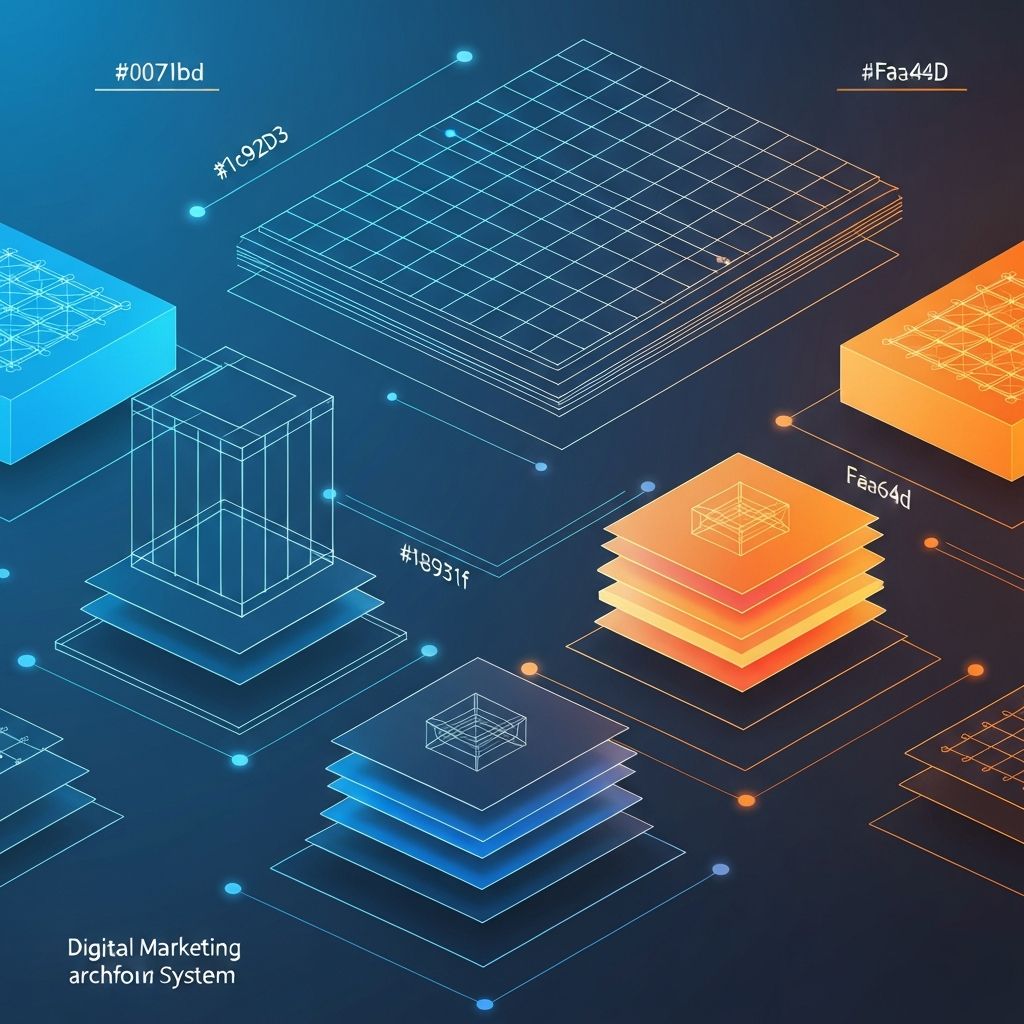
Digital marketing architecture is the underlying framework that connects your strategy, channels, data, technology, and content into a unified ecosystem. Just like a building needs a strong structural blueprint, your marketing efforts need a logical foundation that ensures every campaign, asset, and customer touchpoint works together. Without a solid architecture, brands often end up with siloed teams, disconnected analytics, inconsistent messaging, and wasted budget.
At AAMAX.CO, we help businesses build scalable, future-proof digital marketing architectures that align with their goals, audience behavior, and revenue targets. Our approach treats marketing as a system, not a series of disconnected tactics.
The Core Layers of a Strong Marketing Architecture
A well-designed marketing architecture typically consists of four interlocking layers: strategy, technology, content, and measurement. The strategy layer defines your audience segments, value propositions, and growth objectives. The technology layer includes your CRM, marketing automation, analytics platforms, and ad tools. The content layer governs how messages are created, localized, and distributed. Finally, the measurement layer ensures every action is tracked, attributed, and optimized.
When these layers work in harmony, your team can launch campaigns faster, personalize at scale, and make data-driven decisions with confidence. When they don't, you get bottlenecks, duplicated work, and unreliable reporting.
Why Architecture Matters More Than Tactics
Many businesses obsess over tactics—new ad formats, trending platforms, viral content—without first asking whether their underlying systems can support them. Tactics change every quarter, but a strong digital marketing architecture lasts for years. It allows you to adopt new channels quickly, plug in new tools without breaking existing workflows, and onboard new team members faster.
Think of it this way: a great campaign on a broken architecture will still underperform, while an average campaign on a strong architecture will compound results over time. That's why we always start with the foundation before optimizing creative or paid spend.
Mapping the Customer Journey Into Your Architecture
Your architecture should mirror the way real customers move through awareness, consideration, decision, and retention stages. Each stage requires different content types, channels, and KPIs. For example, top-of-funnel awareness may rely heavily on social media marketing and SEO content, while bottom-of-funnel conversion may depend on Google ads, retargeting, and personalized email sequences.
By mapping each touchpoint to a specific stage, you eliminate gaps and overlaps. You also gain clarity on which assets need to exist, which automations should fire, and which metrics actually matter at each step. This is where architectural thinking outperforms campaign-by-campaign thinking.
Data and Analytics as the Backbone
No modern marketing architecture is complete without a clean, centralized data layer. This includes first-party data from your website, CRM, and email platform, as well as enriched signals from advertising and analytics tools. A unified data backbone enables segmentation, personalization, attribution modeling, and predictive analytics.
We help clients implement clean tagging structures, server-side tracking, and consent-aware analytics so their data is reliable, compliant, and actionable. When your data architecture is solid, your search engine optimization, paid media, and content efforts all become measurable in a meaningful way.
Content Architecture and SEO Topical Authority
Content is one of the most powerful pillars of digital marketing architecture. Instead of publishing random blog posts, leading brands build topic clusters and pillar pages that signal authority to search engines. This structure improves rankings, internal linking, and user navigation simultaneously.
Our team designs content architectures that align with search intent, business goals, and conversion paths. The result is a website that not only ranks well but also guides visitors toward the next logical step in their journey.
Preparing for AI and Generative Search
The rise of AI-powered search experiences is reshaping how content is discovered. Traditional SEO is now complemented by generative engine optimization, which focuses on making your brand visible inside AI-generated answers. This shift directly affects how marketing architectures should be designed in 2026 and beyond.
Brands that update their architecture to include structured data, expert-led content, and AI-readable formatting will dominate the next era of digital discovery. Those that don't will see steady declines in organic visibility, regardless of how good their tactics are.
Build Your Architecture With AAMAX.CO
Designing a digital marketing architecture is not a one-time project—it's an evolving system that should grow with your business. As your audience, products, and channels change, your architecture must adapt without breaking. That requires strategic thinking, technical expertise, and constant refinement.
If you're ready to move beyond fragmented campaigns and build a marketing engine that compounds over time, our team is here to help. Hire AAMAX.CO for full-service digital marketing consultancy, web development, and SEO. We'll architect a system that turns your marketing into a long-term competitive advantage.
Want to publish a guest post on aamax.co?
Place an order for a guest post or link insertion today.
Place an Order