

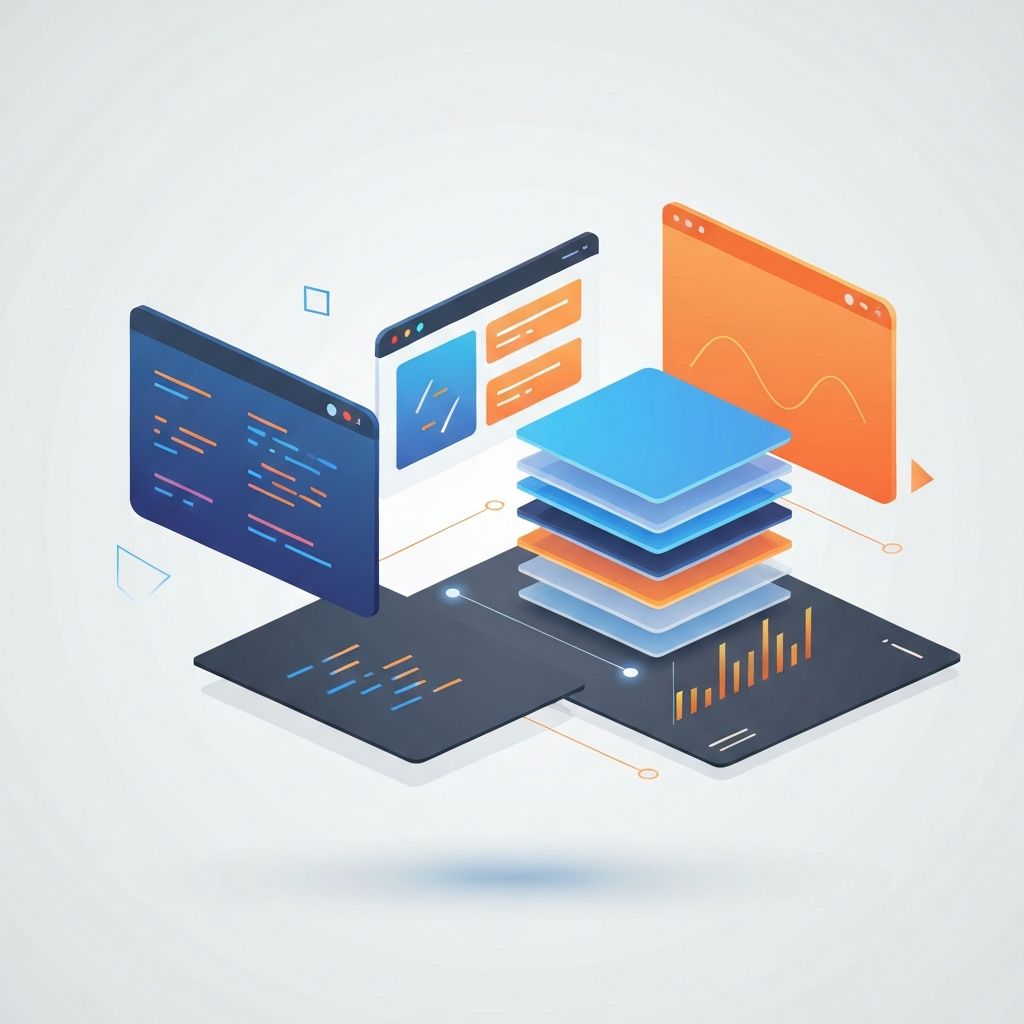
Digital Marketing and Website Development
Why Digital Marketing and Website Development Must Work Together
In today's hyper-connected world, your website is the single most important asset in your marketing ecosystem. It is the digital storefront that customers visit before they ever pick up the phone, send an email, or walk into a physical location. When digital marketing and website development are treated as two separate disciplines, businesses end up with beautiful sites that don't convert or aggressive campaigns that drive traffic to broken funnels. The smartest brands align both from day one, and that is exactly the philosophy we follow at AAMAX.CO, a full-service agency offering web development, SEO, and digital marketing services worldwide.
A well-built website is the foundation that every paid ad, organic search visit, social post, and email link funnels into. If that foundation is weak, every dollar spent on marketing leaks away. Conversely, a stunning website with no marketing strategy behind it is a billboard in the desert. Real growth happens when both sides are engineered together.
The Pillars of a High-Performing Website
Modern website development is no longer about pretty templates. It is about engineering performance, accessibility, and conversion. Core Web Vitals, mobile responsiveness, semantic HTML, schema markup, and secure hosting all play roles in how search engines and users perceive your site. A page that loads in under two seconds will outperform a slower competitor every single time, regardless of how good its copy is.
Beyond speed, the user experience must guide visitors toward a clear action. Every page should have a purpose: capture a lead, schedule a consultation, drive a purchase, or build trust. Smart information architecture, intuitive navigation, and persuasive calls to action transform passive visitors into active customers.
How Digital Marketing Amplifies Great Web Development
Once your website is technically sound and conversion-optimized, digital marketing becomes the engine that drives qualified visitors to it. Search engine optimization ensures that your pages rank for the keywords your customers are typing into Google. Paid media platforms like Google Ads bring instant visibility for high-intent searches. Social media marketing nurtures audiences across Facebook, Instagram, LinkedIn, and TikTok, building brand affinity that eventually converts.
Each of these channels relies on the website to do the closing. When campaigns and code are designed in unison, conversion rates climb, cost per acquisition drops, and lifetime value soars.
The Rise of Generative Engine Optimization
The search landscape is shifting rapidly. Users now ask AI assistants like ChatGPT, Gemini, and Perplexity for recommendations instead of scrolling through ten blue links. This is why generative engine optimization has become essential. Websites must be structured so that AI models can understand, cite, and surface their content. That means well-organized headings, factual depth, structured data, and authoritative content that answers real user questions.
Brands that adapt early to GEO will dominate the next decade of search, while those that ignore it will watch their organic visibility erode.
Content as the Bridge Between Code and Conversions
Content is where development meets marketing. Blog articles, service pages, case studies, landing pages, and resource hubs are all opportunities to attract organic traffic, educate prospects, and build topical authority. A consistent publishing strategy paired with on-page SEO best practices can compound traffic month over month.
The best content is not stuffed with keywords; it is genuinely useful, well researched, and aligned with the questions your audience is already asking. When that content lives on a fast, well-coded website, search engines reward it with higher rankings and longer dwell times.
Measuring What Matters
The greatest advantage of digital marketing over traditional advertising is measurability. Every click, scroll, form submission, and purchase can be tracked. Tools like Google Analytics 4, Search Console, heatmaps, and CRM integrations give you a complete view of the customer journey. With that data, you can iterate quickly, double down on what works, and cut what doesn't.
However, tracking is only useful if it is set up correctly during the development phase. Conversion events, UTM parameters, and server-side tagging must be considered before launch, not bolted on afterward.
Common Mistakes That Hold Businesses Back
Many companies make the mistake of redesigning their website without considering SEO, accidentally killing rankings they spent years building. Others run aggressive ad campaigns to landing pages that haven't been A/B tested. Some invest heavily in social media without a clear path back to a converting website. Each of these missteps can be avoided with strategic planning that treats marketing and development as one unified discipline.
Partnering With the Right Team
Building a high-performing digital presence requires expertise across design, code, content, paid media, analytics, and strategy. Most in-house teams cannot cover all of these specialties at a high level. That is where a dedicated partner becomes invaluable. We bring developers, marketers, SEO specialists, and consultants under one roof, so your website and your campaigns are engineered to work together from day one.
If you are ready to stop treating your website and your marketing as separate projects and start building a system that drives compounding growth, get in touch with our team. We help businesses around the world turn their digital presence into their most reliable source of revenue.
Want to publish a guest post on aamax.co?
Place an order for a guest post or link insertion today.
Place an Order