

Are Internal Links Important for SEO Google Documentation
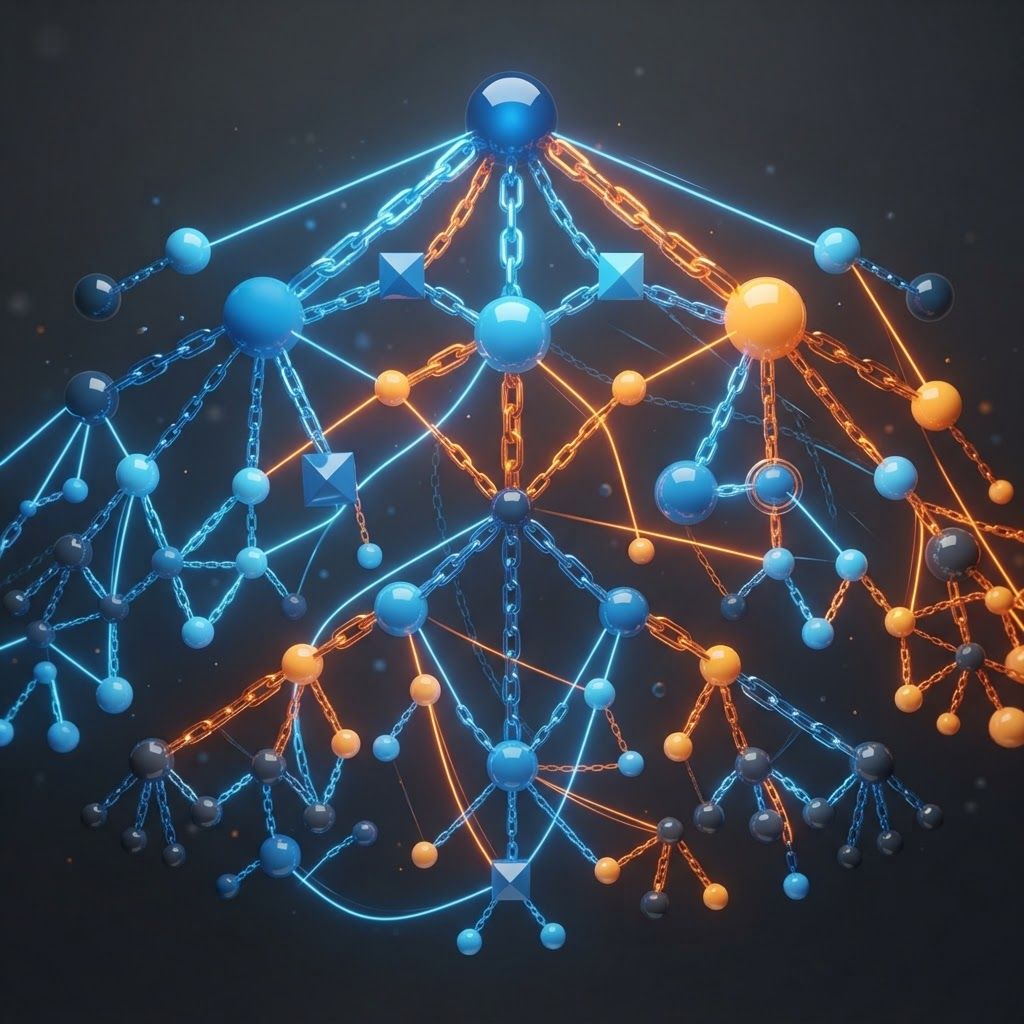
Internal links are one of the most underrated levers in SEO, and unlike many tactics, their importance is confirmed directly by Google's own documentation. Internal links help search engines discover new pages, understand the relationships between content, and distribute ranking signals across your site. Yet many websites treat them as an afterthought. This article explains what Google actually says about internal linking, why it matters, and how to build a structure that lifts your whole domain.
Hire Us at AAMAX.CO for SEO Services
At AAMAX.CO we are a full-service digital marketing company delivering web development, digital marketing, and search solutions worldwide. Our SEO services include full internal link audits and architecture planning, ensuring crawlers can find your most important pages and that ranking signals flow to the content that drives your business. We turn a tangled web of links into a deliberate structure that supports both users and search engines.
What Google's Documentation Says
Google's guidance is clear that internal links help its crawlers find pages on your site and understand how they relate to one another. The documentation notes that pages with no internal links pointing to them can be difficult or impossible to discover, and that descriptive anchor text helps Google understand what a linked page is about. In other words, internal linking is not a fringe hack; it is part of the fundamental way search engines navigate and interpret your site.
Why Internal Links Matter for Crawling and Indexing
Search engines follow links to discover content. If an important page is buried many clicks deep, or only reachable through a sitemap, it may be crawled less frequently and indexed slowly. A strong internal link structure ensures that crawlers reach your key pages efficiently and revisit them when they update. This is especially important for large sites, where crawl budget determines how much of your content actually gets seen and refreshed in the index.
How Internal Links Distribute Authority
When authoritative pages link internally to other pages, they pass along some of that value. This means you can strategically strengthen important commercial or pillar pages by linking to them from your most trusted content. Thoughtful internal linking lets you guide ranking signals toward the pages that matter most to your goals, rather than leaving that distribution to chance.
Best Practices for Anchor Text and Structure
Use clear, descriptive anchor text that reflects the topic of the destination page, avoiding generic phrases like click here. Build logical hierarchies where broad pillar pages link to specific supporting content and vice versa. Keep important pages within a few clicks of the homepage, and regularly audit for broken links and orphaned pages that no internal link points to. A clean, intentional structure benefits both users navigating your site and the crawlers interpreting it.
Common Internal Linking Mistakes to Avoid
Avoid stuffing pages with excessive links, which dilutes value and confuses users. Do not rely solely on navigation menus, since contextual links within body content carry meaningful relevance signals. Watch for redirect chains and links to dead pages, and make sure JavaScript-driven links are actually crawlable. Fixing these issues often produces quick, measurable gains because you are simply helping search engines do what they already want to do.
The Takeaway
Yes, internal links are genuinely important for SEO, and Google's documentation supports it. They power discovery, shape understanding, and channel authority throughout your site. Treating internal linking as a deliberate, ongoing discipline rather than an afterthought is one of the most reliable ways to improve your organic performance without publishing a single new page.
Want to publish a guest post on aamax.co?
Place an order for a guest post or link insertion today.
Place an Order