

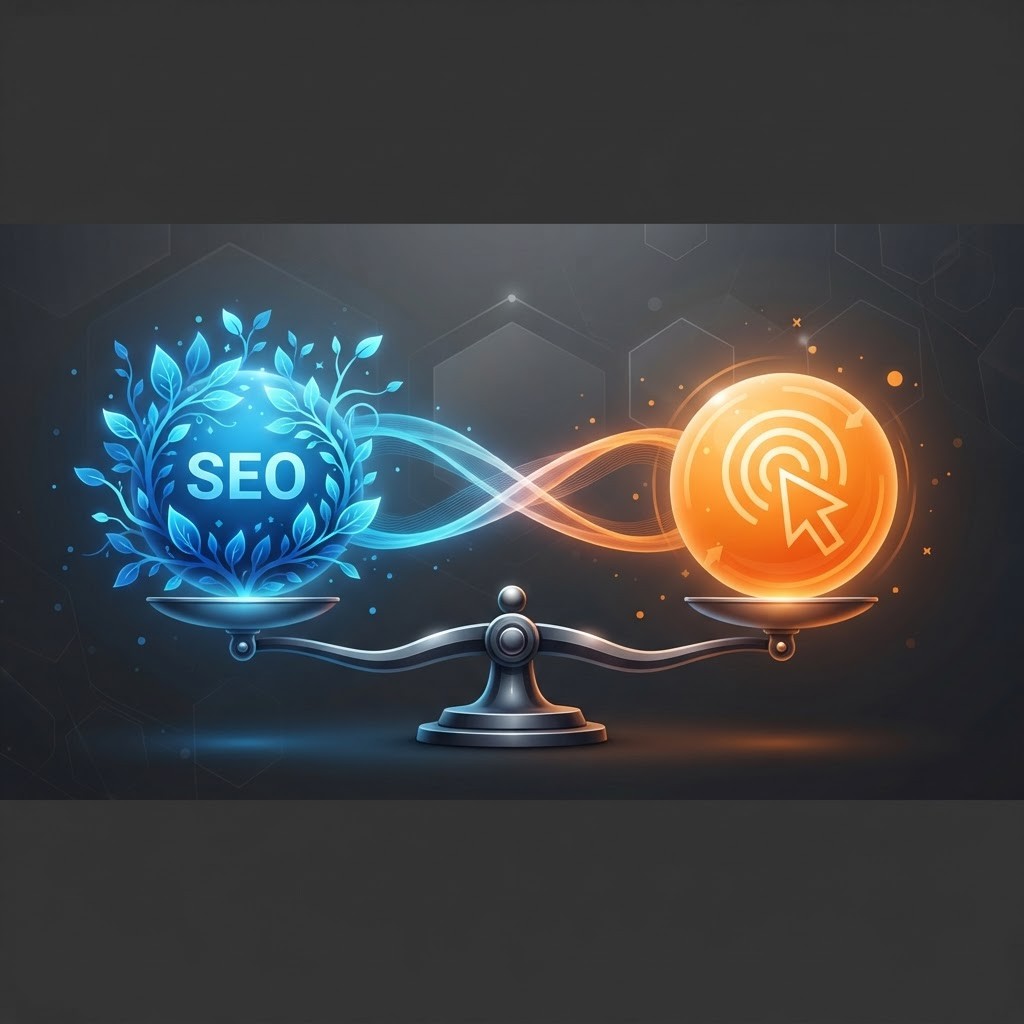
What Is SEO and PPC
SEO and PPC are the two primary ways businesses attract visitors from search engines, and understanding the difference between them is essential to building an effective search strategy. SEO, or search engine optimization, focuses on earning organic, unpaid rankings by improving your website's relevance and authority. PPC, or pay-per-click advertising, involves paying for ad placements that appear at the top of search results, with a cost incurred each time someone clicks. Both channels appear on the same results pages, but they work in fundamentally different ways and offer distinct advantages. This guide explains how each works and when to use them together.
Balance SEO and PPC With AAMAX.CO
Getting the right mix of organic and paid search takes expertise, and that's where we excel. At AAMAX.CO, our SEO services work hand in hand with paid search management to help you capture both immediate and long-term traffic. As a full-service digital marketing company serving clients worldwide, we design integrated strategies where SEO and PPC amplify each other. If you want a coordinated approach that maximizes every click and every ranking, let AAMAX.CO build a search strategy tailored to your goals.
How SEO Works
SEO is the practice of optimizing your website so it ranks higher in the organic, non-paid search results. It involves keyword research, on-page optimization, technical improvements, content creation, and link building, all aimed at demonstrating relevance and authority to search engines. SEO doesn't require paying for each click, but it does require time and ongoing effort. Once you achieve strong rankings, they can deliver a steady stream of traffic for months or years, making SEO a compounding, long-term investment.
How PPC Works
PPC advertising lets you bid on keywords so your ads appear prominently in search results, typically labeled as sponsored. You pay only when someone clicks your ad, hence pay-per-click. Platforms like Google Ads use an auction system that considers your bid and ad quality to determine placement. PPC delivers immediate visibility, precise targeting, and complete control over messaging and budget. The moment you pause your campaign, however, the traffic stops, making PPC a channel you must continually fund to sustain.
Key Differences Between SEO and PPC
The biggest differences come down to cost structure, timing, and longevity. SEO requires upfront and ongoing investment but doesn't charge per click, while PPC charges for every click but delivers instant results. SEO takes time to build momentum, whereas PPC can generate traffic within hours of launching. Organic results tend to earn more long-term trust from users, while paid ads offer unmatched speed and control. Neither is universally better, they serve different needs and time horizons.
Advantages of SEO
SEO's greatest strengths are cost-efficiency and durability. Because you don't pay per click, well-ranking pages can generate traffic at a very low marginal cost over time. Organic listings also carry credibility, many users trust them more than ads. SEO builds a lasting asset: the authority and content you develop continue working for you long after they're created. For businesses seeking sustainable, compounding growth, SEO is often the foundation of their search strategy.
Advantages of PPC
PPC shines when you need immediate results, precise targeting, or measurable short-term returns. It's ideal for launching new products, promoting time-sensitive offers, testing keywords and messaging, and reaching audiences instantly. PPC offers granular control over who sees your ads, based on location, device, time of day, and more, and provides clear, immediate performance data. For competitive keywords where organic ranking is difficult, PPC ensures visibility while your SEO efforts mature.
Why Use SEO and PPC Together
SEO and PPC are most powerful when combined. PPC delivers immediate traffic while SEO builds long-term equity, and together they let you dominate more of the search results page. Data from PPC campaigns, such as which keywords convert best, can inform your SEO content strategy, while strong organic rankings can reduce your reliance on paid clicks over time. Appearing in both paid and organic positions also reinforces brand visibility and trust. An integrated digital marketing approach ensures both channels support shared business goals.
Choosing the Right Balance
The ideal balance depends on your goals, budget, timeline, and competition. If you need results now and have budget to spend, lean into PPC while building SEO in parallel. If you're focused on sustainable, cost-efficient growth and can be patient, prioritize SEO with selective PPC support. Most successful businesses use both, adjusting the mix as their organic presence strengthens and as market conditions change. The key is treating them as complementary parts of one search strategy rather than competing options.
Conclusion
SEO and PPC are two distinct but complementary ways to earn search traffic, SEO builds lasting organic authority over time, while PPC delivers instant, controllable visibility for a cost. Understanding their differences helps you deploy each where it's strongest and combine them for maximum impact. If you'd like a coordinated strategy that gets the best from both organic and paid search, our team is ready to help you strike the perfect balance.
Want to publish a guest post on aamax.co?
Place an order for a guest post or link insertion today.
Place an Order