

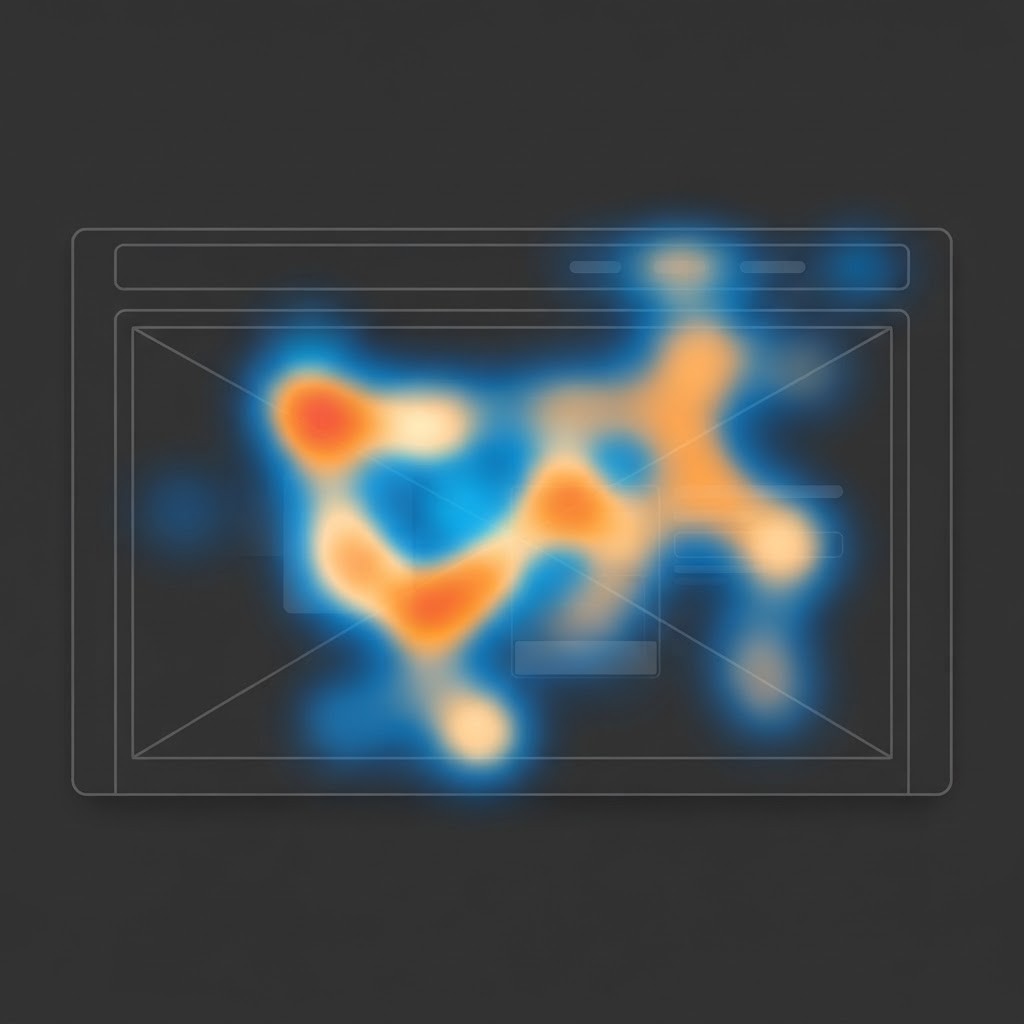
What Is Heatmap in SEO
A heatmap is a visual representation of how users behave on a web page. Warm colors like red and orange highlight areas of high activity, while cooler colors show low engagement. While heatmaps are often associated with conversion optimization, they are also a powerful ally for SEO. By showing you what visitors actually do, heatmaps help you improve content, layout, and user experience, all of which influence how well a page performs in search.
How We Use Heatmaps to Boost Your SEO
At AAMAX.CO we combine behavioral data like heatmaps with technical and content optimization to deliver measurable results. As a full service digital marketing company offering web development, digital marketing, and search optimization worldwide, we turn user insights into ranking improvements. Our SEO services use tools like heatmaps to refine pages so they satisfy both users and search engines. See how we can help at AAMAX.CO.
Types of Heatmaps
There are several kinds of heatmaps, each revealing a different behavior. Click maps show where users tap or click, helping you spot ignored calls to action or confusing elements that get clicked but are not links. Scroll maps show how far down a page visitors travel, revealing whether important content sits below the point most people stop reading. Move maps track cursor movement as a proxy for attention, and attention maps combine signals to show the most-viewed zones. Together they paint a picture of real engagement.
Why Heatmaps Matter for SEO
Search engines increasingly reward pages that satisfy users. If people land on your page from search but immediately leave or fail to engage, that signals a poor match between the query and your content. Heatmaps help diagnose why. Perhaps your key answer is buried below the fold, your call to action blends into the background, or a distracting element pulls attention away. Fixing these issues improves dwell time and engagement, which supports better rankings over time.
Improving Content Placement
Scroll maps are especially useful for content strategy. If a heatmap shows most visitors never reach the section that answers their main question, you should move that content higher. Placing your most valuable information where attention is strongest keeps searchers on the page and reduces the chance they return to the results to click a competitor. This directly supports the relevance and satisfaction signals that SEO focuses on.
Optimizing Calls to Action and Links
Click maps reveal whether users interact with the elements you want them to. If an important internal link or button gets ignored, you can redesign it, reposition it, or clarify its label. Strong internal linking helps distribute authority across your site and keeps visitors exploring, both of which benefit SEO. Heatmaps also expose "dead clicks" where users tap non-clickable elements, pointing to interface confusion you can resolve.
Reducing Distractions and Friction
Sometimes heatmaps show attention going to the wrong places, like a large decorative image that adds no value or an intrusive popup that frustrates users. Removing or adjusting these distractions streamlines the experience. A cleaner, more focused page loads faster and keeps users engaged, improving Core Web Vitals and behavioral signals that influence rankings.
Combining Heatmaps With Other Data
Heatmaps are most powerful when combined with analytics and search data. Pair them with bounce rates, time on page, and conversion metrics to understand not just what users do but why. Cross-reference with Search Console to see which queries bring visitors and whether the page satisfies them. This holistic view prevents you from making changes based on a single, potentially misleading signal.
Best Practices for Using Heatmaps
Collect enough data before drawing conclusions, since a handful of sessions can mislead. Segment by device, because mobile and desktop behavior differ significantly. Test changes rather than assuming, and use A/B testing to confirm improvements. Finally, revisit heatmaps periodically, as user behavior evolves with new content and design. Treat heatmaps as an ongoing feedback loop rather than a one-time audit.
Common Heatmap Mistakes to Avoid
While heatmaps are valuable, misusing them can lead you astray. A frequent mistake is acting on too little data, since a small sample can show misleading patterns that vanish once more visitors are recorded. Another is ignoring device differences and applying desktop insights to a mostly mobile audience. Some teams also chase every minor anomaly instead of focusing on patterns that clearly affect engagement or conversions. Finally, heatmaps show what happens but not always why, so pairing them with surveys, session recordings, and search data prevents false conclusions. Avoiding these mistakes ensures the changes you make genuinely improve the experience and support your rankings rather than introducing new problems based on incomplete information.
Conclusion
A heatmap in SEO is a visualization of user behavior that helps you improve content placement, calls to action, and overall experience. While it does not directly change algorithms, it reveals the friction and engagement patterns that shape rankings and conversions. Used alongside analytics and search data, heatmaps turn guesswork into informed decisions. If you want experts to interpret this data and translate it into higher rankings, our team is ready to help.
Want to publish a guest post on aamax.co?
Place an order for a guest post or link insertion today.
Place an Order