

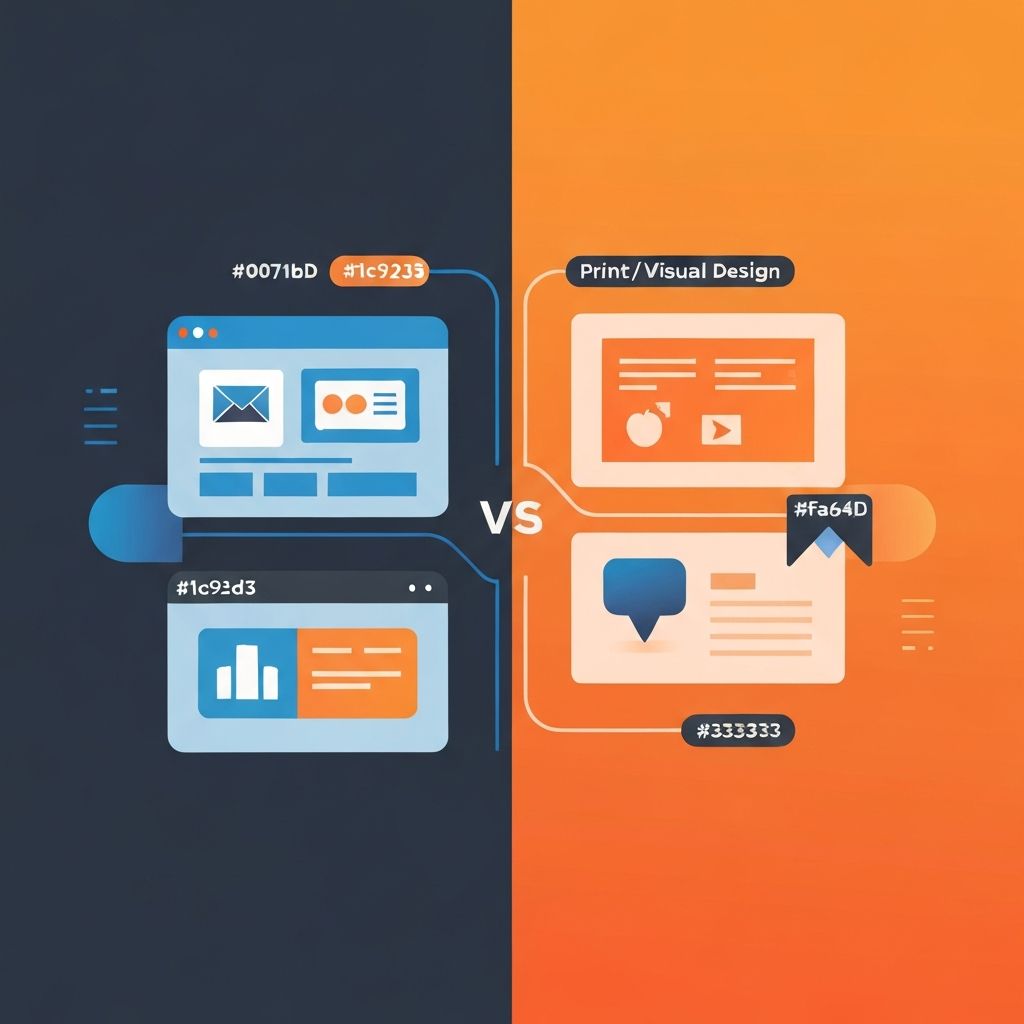
Web Designing or Graphic Designing
Web Designing or Graphic Designing: Choosing Your Creative Path
Standing at the crossroads between web design and graphic design is a position many aspiring creatives find themselves in. Both fields offer rewarding careers for visually creative people, but they differ significantly in daily work, required skills, and career trajectories. Understanding these differences helps you choose the path that best matches your interests and strengths.
At AAMAX.CO, we employ professionals skilled in both disciplines and understand how they complement each other. This comprehensive comparison examines what each field involves, helping you make an informed decision about your creative career.
Defining the Two Disciplines
Before comparing, let's clearly define what each discipline encompasses.
Graphic design is the art of visual communication through typography, imagery, color, and form. It has roots stretching back centuries and includes everything from logos and brand identities to packaging, advertisements, publications, and environmental graphics. Graphic designers create visual content across many media, though traditionally focused on print.
Web design is the creation of visual and interactive elements specifically for websites and digital applications. It emerged with the internet and encompasses layout, color, typography, and imagery just like graphic design, but also includes considerations of user experience, interactivity, and technical implementation. Web designers create for screens rather than print.
The lines between these fields have blurred significantly as graphic design increasingly includes digital applications and web design borrows heavily from graphic design traditions. Yet meaningful distinctions remain.
The Medium Makes the Difference
The most fundamental difference lies in the medium. This distinction ripples out to affect almost every aspect of practice.
Print design (graphic design's traditional domain) produces physical products. What you design is what gets printed—fixed, permanent, tangible. Designers must understand printing processes, color modes (CMYK), paper stocks, and finishing techniques. The final product exists in physical space.
Screen design (web design's domain) produces pixels on screens. Designs must work across countless devices with different screen sizes, resolutions, and capabilities. Colors are RGB. Products are interactive and often changeable. Nothing is fixed; everything can be updated.
This medium difference means graphic designers and web designers solve similar visual problems with different constraints and considerations.
Interactivity and User Experience
Web design is inherently interactive in ways graphic design typically isn't. This distinction significantly affects how designers think about their work.
Web designers must consider user journeys—how people move through a website, what actions they take, how interfaces respond to inputs. Design decisions account for hover states, click behaviors, scrolling, navigation, and form interactions. The experience unfolds over time as users interact.
Graphic designers create static pieces that communicate in a single moment (though sequences like magazine layouts tell stories across pages). There's no interactivity to design, no user flow to optimize. The challenge is capturing attention and communicating effectively in that static moment.
Our website design services demonstrate how interactivity transforms design thinking—every element must work within the larger system of user experience.
Technical Knowledge Requirements
The technical knowledge required differs substantially between fields, though both demand significant learning.
Web designers need understanding of how websites work technically. While not all designers code, knowledge of HTML, CSS, and basic JavaScript concepts helps designers create implementable designs and communicate with developers. Understanding responsive design, browser behaviors, and web performance informs design decisions.
Graphic designers need understanding of print production. Knowledge of color separations, bleed areas, paper characteristics, and printing techniques ensures designs translate successfully to physical products.
Both fields require proficiency with design software, though the specific tools differ somewhat. Adobe Photoshop and Illustrator serve both fields, while web designers typically add Figma, Adobe XD, or Sketch, and graphic designers might add InDesign for layout work.
Day-to-Day Work Comparison
Understanding typical daily work helps you assess which field matches your preferences.
Web designers often work on larger, longer projects. A website redesign might span months with multiple stakeholders, iterative feedback, and phased implementation. Daily work might include wireframing, prototyping, design system maintenance, collaboration with developers, and user research analysis.
Graphic designers often handle more varied, shorter projects. A single day might include finalizing a brochure, concepting social media graphics, and revising a logo. The variety can be stimulating but also demanding as context-switching between projects.
Both fields involve client communication, revision cycles, and deadline pressure. Both require balancing creative vision with practical requirements and stakeholder input.
Career Opportunities and Growth
Both fields offer strong career opportunities, though market dynamics differ.
Web design demand has grown consistently as digital presence becomes essential for all organizations. Every business needs a website, creating broad demand. The field offers various specializations: UX design, UI design, product design, interaction design. Tech company growth has created particularly strong demand.
Graphic design remains essential but faces some market pressures. Print advertising has declined as digital advertising has grown. However, branding, packaging, and visual identity work remain strong. Graphic designers increasingly need digital skills to remain competitive.
Career paths vary. Web design often leads toward product design, UX leadership, or design management in tech companies. Graphic design might lead toward creative direction in agencies or brand leadership in corporations. Both fields allow for freelance work and entrepreneurship.
Salary Considerations
Compensation varies by location, experience, and specialization, but general patterns exist.
Web design and UX design typically command somewhat higher salaries than graphic design, reflecting strong tech industry demand. Senior UX designers and product designers in major markets often earn six-figure salaries.
Graphic design salaries vary widely by industry. In-house positions at major brands or senior roles at prestigious agencies pay well. Entry-level and mid-level positions, particularly outside major markets, may pay less than web design equivalents.
Freelance rates in both fields depend heavily on specialization, reputation, and client base. Established freelancers in either field can earn substantial incomes.
Education and Entry Paths
Multiple paths lead into both fields, though emphases differ.
Graphic design education traditionally comes through art school or design programs. Many positions still expect formal design education, and the theoretical foundations (color theory, typography, composition) taught in schools provide valuable preparation.
Web design has more varied entry paths. While design degrees help, many successful web designers are self-taught or come through bootcamps. The field's emphasis on portfolios over credentials creates opportunities for those who can demonstrate skills regardless of educational background.
Both fields ultimately value demonstrated ability over credentials. Strong portfolios matter more than degrees in getting hired.
Creative Satisfaction Comparison
Different personalities find different kinds of satisfaction in each field.
Web designers often find satisfaction in solving complex user experience challenges, seeing their work used by many people, and the iterative nature of improving designs based on real usage data. The connection between design and measurable outcomes appeals to analytically minded creatives.
Graphic designers often find satisfaction in crafting beautiful objects, the tangibility of printed work, and the expressive freedom that can come with branding and artistic projects. The ability to hold finished work provides satisfaction that digital work cannot replicate.
Our front-end web development team works closely with designers who find satisfaction in seeing their designs implemented and used by real people.
Skills Transferability
The good news is that skills transfer significantly between fields. Choosing one doesn't permanently close off the other.
Core design principles—color, typography, composition, visual hierarchy—apply across both fields. A strong foundation in these fundamentals enables movement between disciplines.
Software skills overlap substantially. Proficiency in Photoshop and Illustrator serves both fields. Learning additional tools is straightforward for experienced designers.
Many professionals work in both fields simultaneously or move between them during their careers. Hybrid roles that span print and digital are increasingly common as organizations seek versatile designers.
Industry and Work Environment
The industries and environments where each field operates differ somewhat.
Web designers often work in tech companies, digital agencies, and in-house digital teams. The culture tends toward tech industry norms: informal, collaborative, data-informed. Agile methodologies and cross-functional teams are common.
Graphic designers work across more industries: advertising agencies, publishing, packaging companies, brand consultancies, and in-house marketing teams. Culture varies widely depending on industry—advertising agencies differ from publishing houses.
Both fields offer agency, in-house, and freelance options. The work environment you prefer may matter more than the specific discipline.
Making Your Decision
Several factors should guide your choice between web design and graphic design.
Your interests matter most. Do you find yourself more drawn to websites and apps or to printed materials and brand identity? Follow your genuine interest—passion sustains careers through inevitable challenges.
Your skills and aptitudes influence success. If you have some coding inclination or enjoy systematic thinking, web design may suit you. If you're drawn to fine typography, print production, or tangible creation, graphic design may be better fit.
Career goals should align with your choice. Research the specific positions you aspire to and understand their requirements. Talk to professionals in both fields to get realistic perspectives.
Market conditions in your location matter. Research local job markets to understand demand for each discipline in areas where you want to work.
The Case for Learning Both
You don't necessarily have to choose definitively. Many successful designers work across both domains, and versatility is increasingly valued.
Our web application development projects often benefit from designers who understand both digital interaction and traditional graphic design principles. The ability to work across media makes designers more valuable.
Starting with graphic design fundamentals and adding web-specific skills is one common path. Starting with web design and expanding into broader visual communication is another. Both lead to well-rounded creative professionals.
Conclusion
Web design and graphic design are distinct but related fields, each offering rewarding creative careers. Web design emphasizes interactivity, user experience, and digital technology. Graphic design emphasizes visual communication across media with traditional roots in print.
The best choice depends on your interests, aptitudes, and career goals. Fortunately, skills transfer between fields, and many professionals work in both. Whatever path you choose, commitment to craft and continuous learning will drive success.
At AAMAX.CO, we value both disciplines and the professionals who master them. Whether you're drawn to the interactive challenges of web design or the visual craft of graphic design, there's meaningful creative work awaiting you. Follow your passion, develop your skills, and build a career that fulfills your creative potential.
Want to publish a guest post on aamax.co?
Place an order for a guest post or link insertion today.
Place an Order