

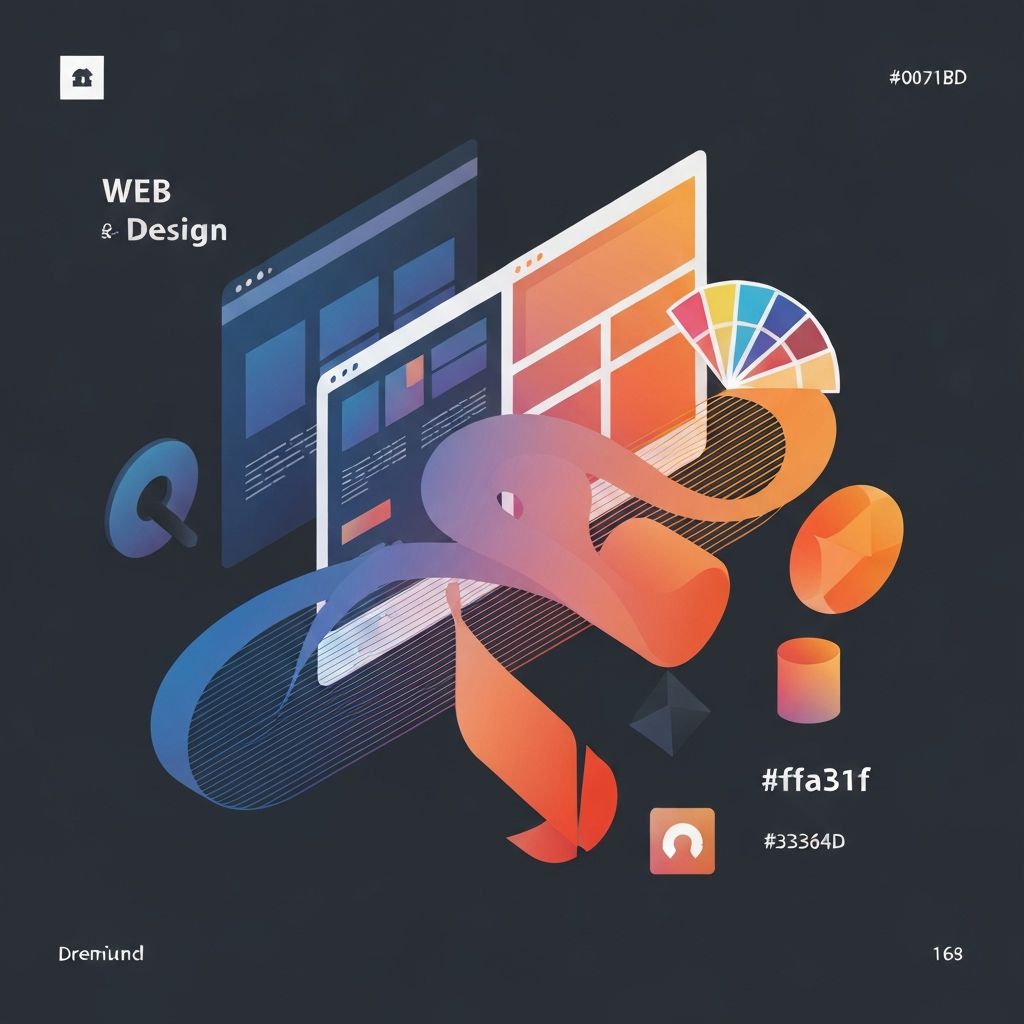
Web Designing and Graphic Designing
Understanding the Relationship Between Web Designing and Graphic Designing
In the world of digital creativity, web designing and graphic designing are two disciplines that often intersect yet maintain distinct identities. Understanding the relationship between these two fields is essential for anyone looking to create compelling visual experiences, whether online or offline.
At AAMAX.CO, we bring expertise in both disciplines to deliver comprehensive design solutions that meet our clients' diverse needs. Our team understands that great digital experiences require the perfect blend of web design functionality and graphic design aesthetics.
Defining Web Design and Graphic Design
Graphic design is the art of visual communication through the use of typography, photography, iconography, and illustration. It has roots stretching back centuries and encompasses everything from logo design to packaging, print advertisements to brand identity systems. Graphic designers focus on creating visual content that communicates specific messages to target audiences.
Web design, while sharing many principles with graphic design, focuses specifically on creating visual elements for websites and digital platforms. Web designers must consider not only aesthetics but also functionality, user experience, interactivity, and technical constraints. The medium of the web introduces unique challenges and opportunities that distinguish web design from traditional graphic design.
Key Differences Between Web and Graphic Design
While both disciplines share a foundation in visual design principles, several key differences set them apart. Understanding these differences is crucial for businesses deciding which type of designer they need for their projects.
The primary difference lies in the medium. Graphic design traditionally focuses on print materials—brochures, business cards, posters, and packaging. These are static, physical products with fixed dimensions. Web design, conversely, creates for digital screens of varying sizes, requiring designs that adapt and respond to different devices and resolutions.
Interactivity is another major differentiator. Graphic design creates static images that viewers observe passively. Web design incorporates interactive elements—buttons, forms, animations, and navigation systems—that users actively engage with. This interactivity adds layers of complexity to the design process.
Technical constraints also vary significantly. Graphic designers must consider print specifications like color modes (CMYK vs RGB), bleed areas, and paper stocks. Web designers navigate browser compatibility, loading speeds, responsive breakpoints, and accessibility standards. Our website design services account for all these technical considerations while maintaining visual excellence.
Where Web Design and Graphic Design Overlap
Despite their differences, web design and graphic design share fundamental principles that make skills in one transferable to the other. Both disciplines rely on understanding color theory, typography, composition, and visual hierarchy to create effective designs.
Brand consistency is an area where the two disciplines must work in harmony. A company's website should reflect the same visual identity established in its print materials. Colors, fonts, imagery styles, and overall aesthetic should remain consistent across all touchpoints, whether digital or physical.
Both fields require a deep understanding of the target audience. Whether designing a billboard or a homepage, designers must understand who they're designing for and what will resonate with that audience. User research and persona development benefit both web and graphic design projects.
The Evolution of Design in the Digital Age
The rise of digital technology has blurred the lines between web design and graphic design in many ways. Many graphic designers have expanded their skills to include web design, and vice versa. The demand for versatile designers who can work across both mediums continues to grow.
Tools have also evolved to serve both disciplines. Software like Adobe Creative Cloud offers applications for print design (InDesign, Illustrator), web design (XD, Dreamweaver), and crossover applications (Photoshop) that serve both purposes. Modern designers often become proficient in multiple tools to serve clients' varied needs.
The Role of Typography in Both Disciplines
Typography is a cornerstone of both web and graphic design, though its application differs between the two. In print, designers have complete control over how typography renders, choosing any font and precisely controlling spacing and sizing.
Web typography faces additional challenges. Designers must consider web-safe fonts, font loading times, and how text renders across different browsers and operating systems. However, advances in web fonts have dramatically expanded the typographic possibilities for web designers, closing the gap with print design capabilities.
Our front-end web development team ensures that typography is implemented correctly, maintaining the design intent while optimizing for performance and accessibility.
Color Considerations Across Mediums
Color management differs significantly between web and print design. Print designers work in CMYK color mode, which is subtractive—colors are created by absorbing light. Web designers work in RGB, an additive color mode where colors are created by emitting light.
This fundamental difference means that colors can appear differently when translated from screen to print or vice versa. Designers working across both mediums must understand these color systems and know how to maintain brand color consistency despite the technical differences.
Web design also offers capabilities impossible in print, such as gradients that shift on hover, color animations, and dynamic color schemes that adjust based on user preferences or time of day.
Layout and Composition Principles
Both web and graphic design rely heavily on layout and composition to create visually appealing and effective designs. Principles like the rule of thirds, visual hierarchy, balance, and white space apply equally to both disciplines.
However, web design introduces the concept of responsive layout—designs that adapt and reorganize based on screen size. A layout that works beautifully on a desktop monitor must also function well on a tablet and smartphone. This adds complexity that traditional graphic design doesn't face.
Grid systems are essential in both fields. Print designers use grids to organize content on pages, while web designers use CSS grid systems to create flexible, responsive layouts. Understanding grid-based design transfers well between the two disciplines.
The Importance of User Experience
User experience (UX) is a concept that has become central to web design but is increasingly influential in graphic design as well. Web designers must consider how users interact with and navigate through a website, optimizing for ease of use and satisfaction.
Graphic designers are now applying UX thinking to print materials, considering how readers interact with brochures, how signage guides people through spaces, and how packaging facilitates product use. This cross-pollination of UX principles benefits both disciplines.
Our website development services prioritize user experience, ensuring that every design decision supports user goals and business objectives.
Motion and Animation in Design
One area where web design distinctly surpasses traditional graphic design is in the use of motion and animation. Web designers can incorporate subtle animations that guide attention, provide feedback, and create engaging experiences that static designs cannot achieve.
Motion design has become an important skill for web designers, from micro-interactions on buttons to full-page transitions and animated illustrations. These dynamic elements add depth and personality to web experiences.
However, graphic designers are increasingly creating assets for digital use, including animated social media posts, motion graphics for video, and animated logos. The line continues to blur as both disciplines embrace motion.
Building a Career in Design
For those considering a career in design, understanding both web and graphic design opens more opportunities. Many agencies and companies seek designers who can work across both mediums, making versatility a valuable asset.
Starting with graphic design fundamentals provides a strong foundation. Learning principles of color, typography, composition, and visual communication creates a base that applies to all design work. From there, adding web-specific skills like HTML/CSS understanding, responsive design, and UX principles expands your capabilities.
How We Integrate Both Disciplines
At AAMAX.CO, we recognize the value of integrating web design and graphic design expertise. Our web application development process includes graphic design elements that ensure visual consistency across all brand touchpoints.
Whether you need a complete brand identity system that spans print and digital, or a website that perfectly reflects your existing graphic identity, our team has the skills to deliver. We understand that modern businesses need cohesive design solutions that work seamlessly across all mediums.
Conclusion
Web designing and graphic designing are distinct yet complementary disciplines. Understanding their differences and similarities helps businesses make informed decisions about their design needs and helps designers expand their skill sets for greater career opportunities.
The most effective design solutions often come from teams or individuals who understand both disciplines deeply. Contact us to learn how our comprehensive design services can help your business create powerful visual experiences across all platforms and mediums.
Want to publish a guest post on aamax.co?
Place an order for a guest post or link insertion today.
Place an Order