

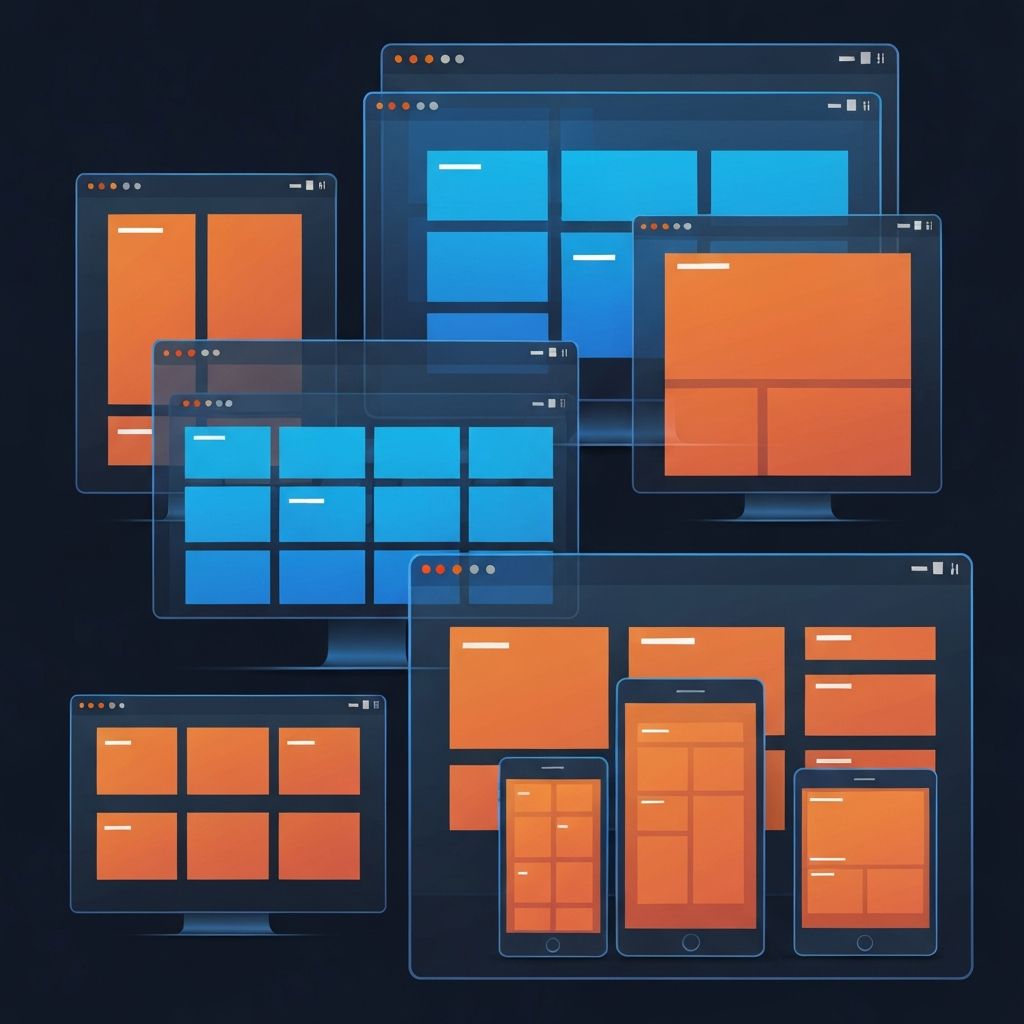
Web Design Types
Understanding the Different Types of Web Design
Choosing the right type of web design is one of the most important decisions a business can make online. The structure, technology, and visual approach you select will shape how visitors experience your brand, how search engines rank you, and how easily your team can scale the site over time. At AAMAX.CO, we have helped startups and enterprises pick the right design type for their goals, and in this guide we break down the most common categories you should know.
1. Static Web Design
Static websites are the simplest type of web design. They consist of fixed HTML pages that display the same content to every visitor. Static sites are fast, secure, and inexpensive to host, which makes them ideal for portfolios, brochure sites, and small business websites that do not require frequent updates.
The downside is flexibility. Updating content usually requires a developer, and adding interactive features can become cumbersome. However, with modern static site generators like Next.js in static export mode or Astro, static design has evolved into a powerful, performance-first option.
2. Dynamic Web Design
Dynamic websites generate pages on the fly using a server, database, and templating system. They are perfect for blogs, news platforms, membership sites, and any project where content changes regularly. Dynamic design allows non-technical teams to update content through a CMS without touching code.
If you need a flexible, content-driven website, our WordPress development and Strapi CMS services give you the freedom to publish quickly while maintaining excellent performance.
3. Responsive Web Design
Responsive web design uses flexible grids, fluid images, and CSS media queries so a single layout adapts to any screen size. This is the modern standard. With more than half of global traffic coming from mobile devices, responsive design is no longer optional.
Done well, responsive sites deliver consistent brand experiences from a 4-inch phone to a 32-inch monitor. Done poorly, they create awkward layouts and slow load times. The difference comes down to careful planning, mobile-first thinking, and rigorous testing.
4. Adaptive Web Design
Adaptive design is similar to responsive design but uses fixed layouts triggered at specific breakpoints. Instead of fluid scaling, the server or browser detects the device and serves a layout optimized for it. Adaptive design can deliver more controlled experiences for complex applications, although it requires more upfront design work.
5. Single-Page Application (SPA) Design
Single-page applications load a single HTML shell and update content dynamically via JavaScript. SPAs feel fast and app-like, with smooth transitions and no full-page reloads. They are popular for dashboards, SaaS products, and interactive tools.
Frameworks like React power most modern SPAs. If you are considering this approach, our ReactJs web development team can help you build a scalable, maintainable SPA with the right architecture from day one.
6. Multi-Page Website Design
Multi-page sites remain the backbone of content-rich businesses. Each page is dedicated to a specific topic, product, or service, which is excellent for SEO and clear navigation. Most corporate, e-commerce, and educational sites use this structure.
7. E-commerce Web Design
E-commerce design focuses on product discovery, trust signals, and frictionless checkout. It blends visual merchandising with technical requirements like inventory, payments, shipping, and analytics. Successful e-commerce design reduces cart abandonment and increases average order value through thoughtful UX.
Whether you need Shopify, WooCommerce, or a custom storefront on a modern stack, our team designs and builds e-commerce experiences that convert.
8. Progressive Web App (PWA) Design
PWAs combine the reach of the web with the feel of a native app. They support offline access, push notifications, and home-screen installation. PWAs are ideal for media sites, marketplaces, and any product where engagement and re-visits matter.
9. Minimalist Web Design
Minimalist design strips away the unnecessary, leaving only what serves the user. Generous whitespace, limited color palettes, and strong typography create a calm, premium feel. This style works particularly well for high-end brands, agencies, and content publishers.
10. Illustrative and Custom-Art Design
Some brands stand out by leaning into custom illustrations, hand-drawn elements, and bespoke art direction. This type of design is harder to scale but creates a memorable identity that stock visuals cannot match. It pairs especially well with storytelling-driven brands.
How to Choose the Right Type of Web Design
The best type of web design depends on your goals, audience, and team. Ask yourself: How often will I update content? Do I need transactions? How important is SEO? What devices do my customers use? Will I scale the team? The answers will guide you toward the right combination of static, dynamic, responsive, and application-style design.
Many modern websites blend multiple types. A marketing site might be static and responsive, while the customer dashboard is a SPA. The goal is not to pick one label but to choose the right tool for each part of the experience.
Hire AAMAX.CO for Web Design and Development
We are a full-service digital marketing company offering web development, digital marketing, and SEO services. Our team helps you choose the right type of web design for your goals and ships it with care. Learn more about our website design and website development services or talk to us about a custom build today.
Want to publish a guest post on aamax.co?
Place an order for a guest post or link insertion today.
Place an Order